
Day 6 (1/6) – The Diocletian’s Palace of Split
The city of Split was said to be built on and around the Diocletian’s Palace. Commissioned by the Roman Emperor, Gaius Aurelius Valerius Diocletianus, also known as Diocletian, during circa 295 AD as his retirement retreat, he abdicated and retired to Split in 305 AD to tend to his cabbages (and presumably, other vegetables).
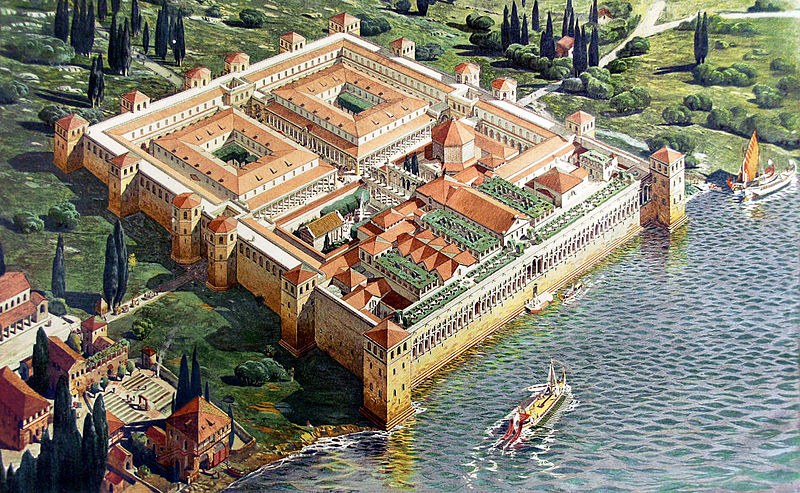
But the Diocletian’s Palace was not a whimsical residence constructed from the spoils of war, power or status. The complex was sprawling and built in the likeness of a fortress, with half of the space occupied by the military garrison. What were they guarding/ or against?
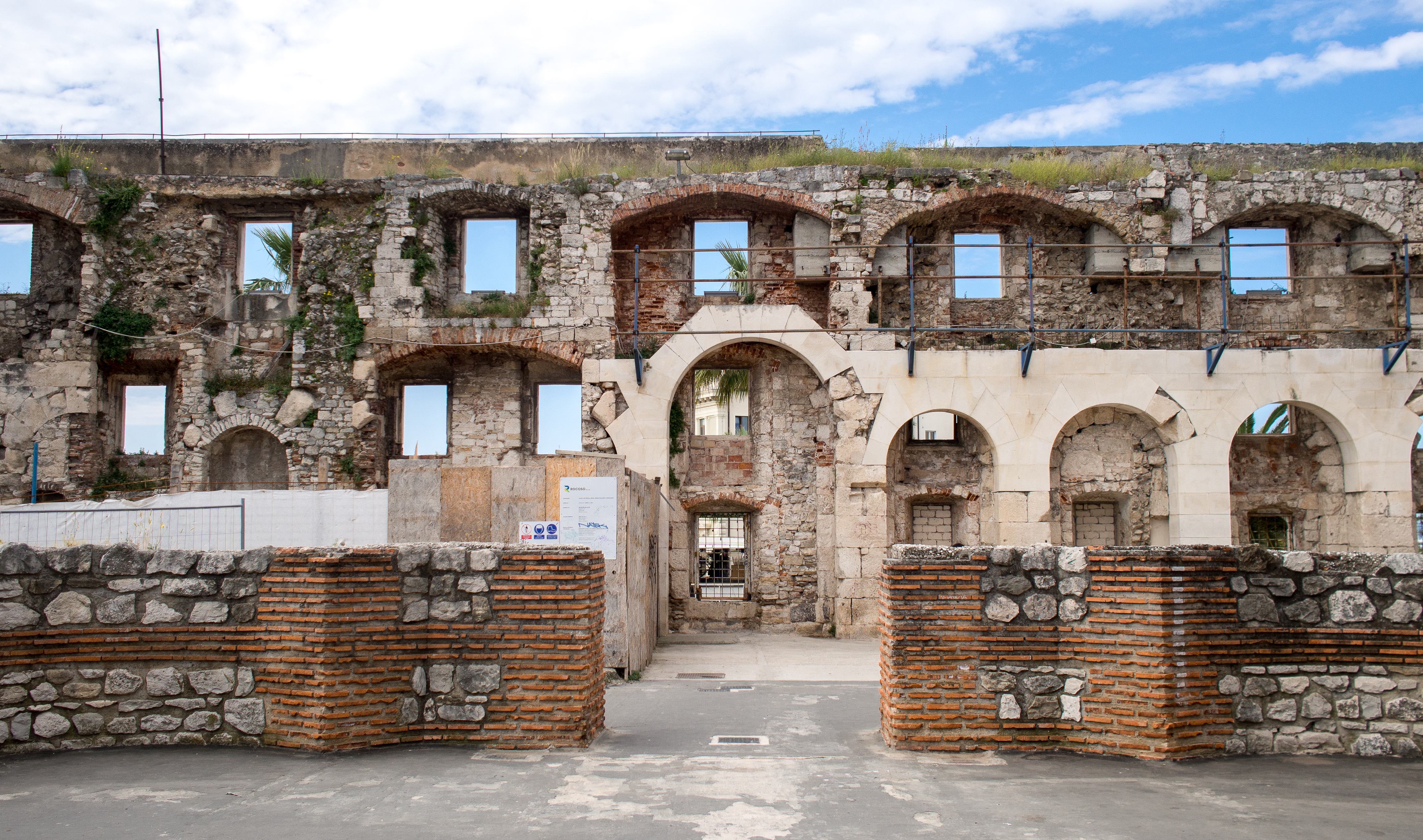
The 4 Gates – Silver, Bronze, Iron, Gold
It is easy to navigate the Palace grounds if you use the 4 gates as reference points.
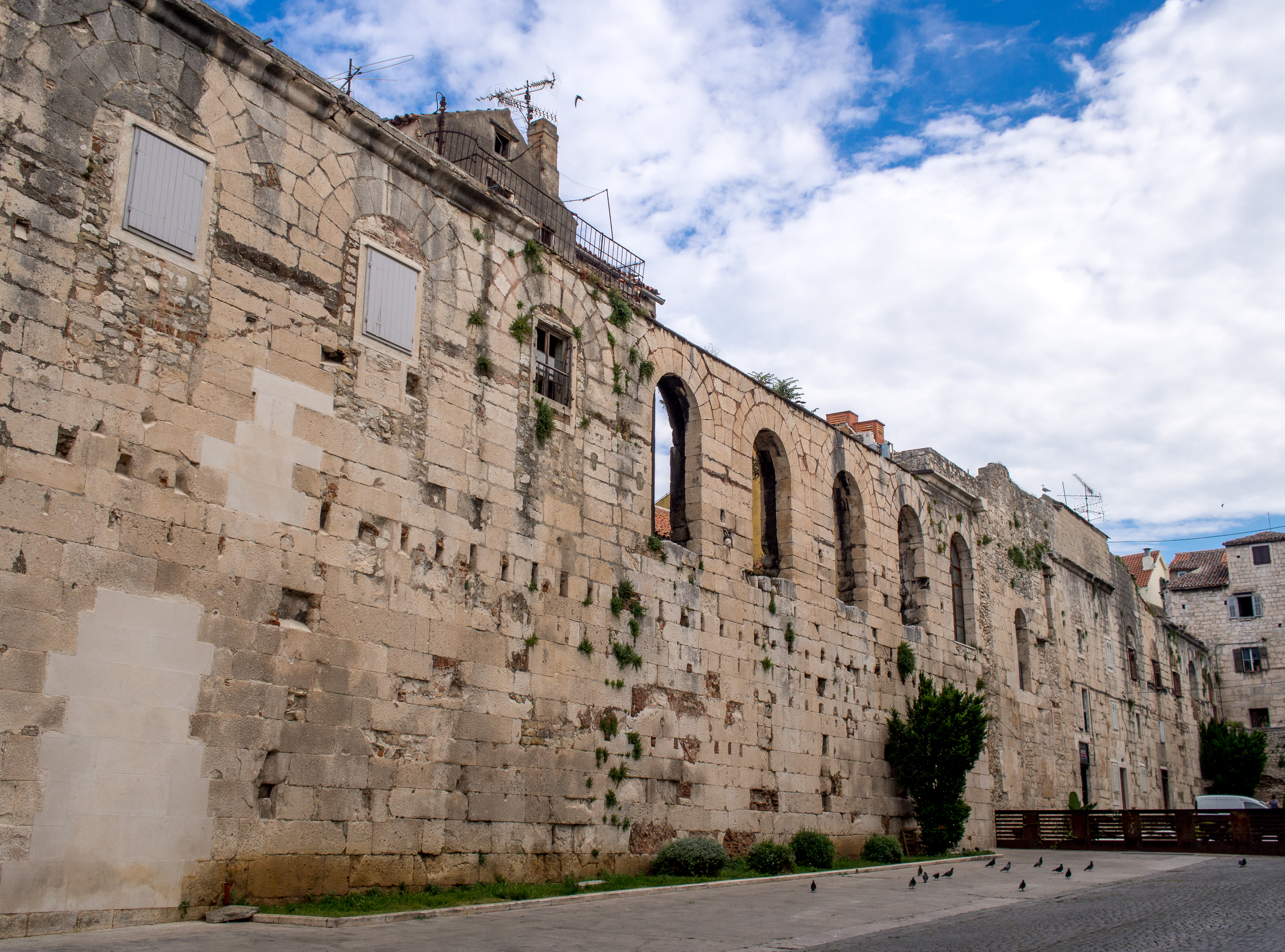
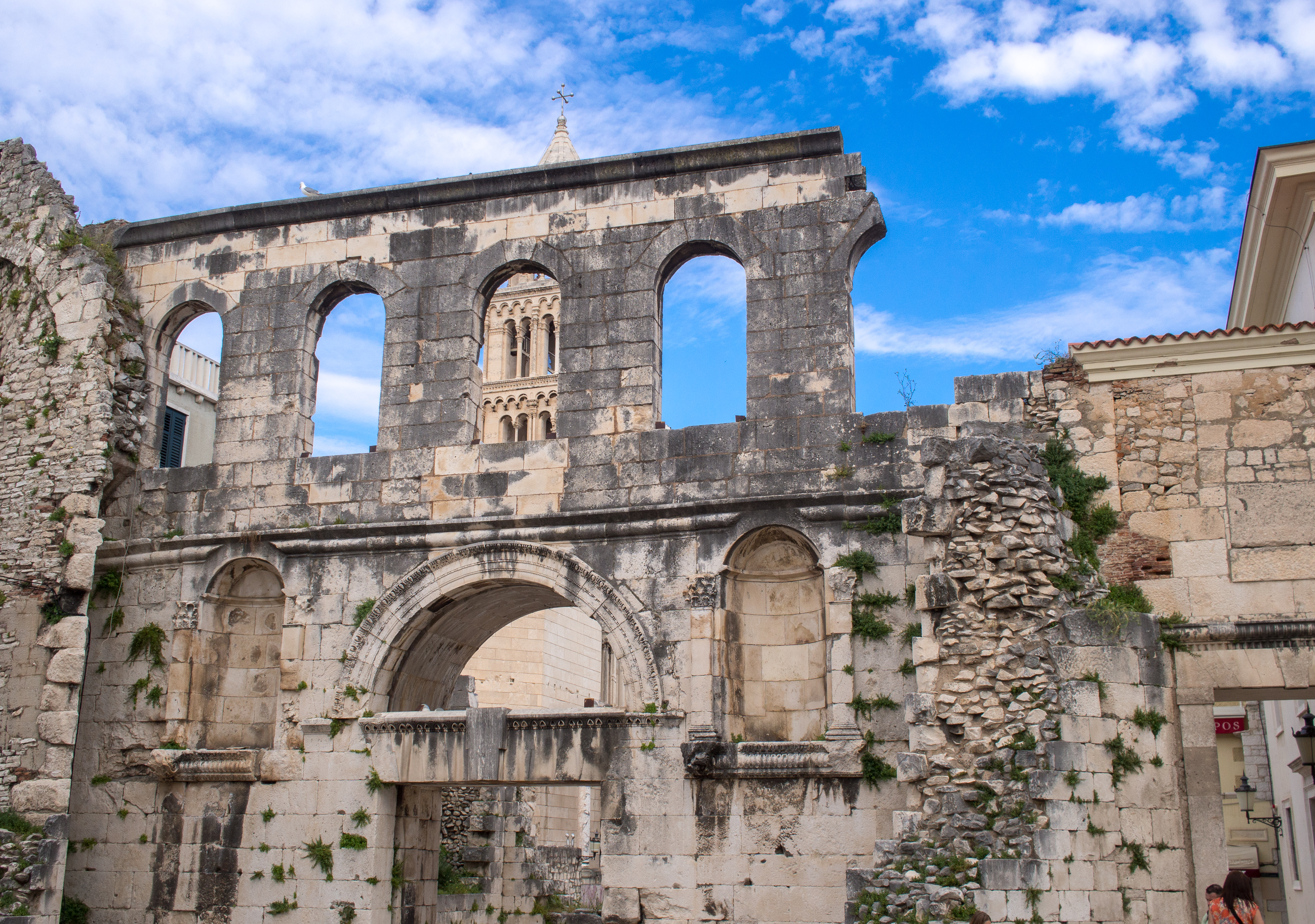
Coming from the residential area along Ul. Tolstojeva, it is not uncommon to lose yourself in the farmer’s market and then come to the old wall known as the Silver Gate (East Gate).
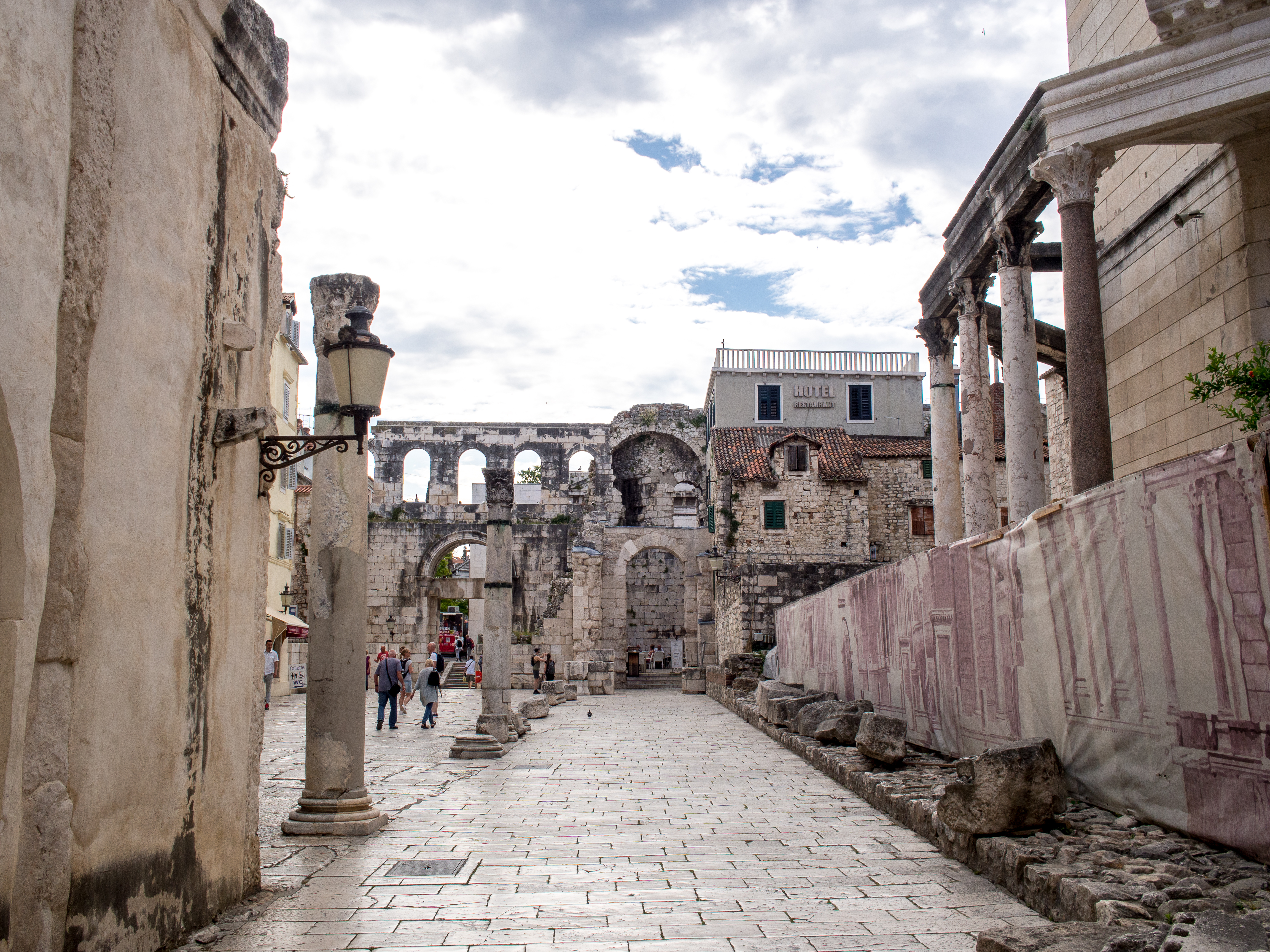
As we marched through and under the Silver gate, we soon came to the St. Domnius Cathedral, the poljana kraljice jelene (old street) and the Peristyle (main square).
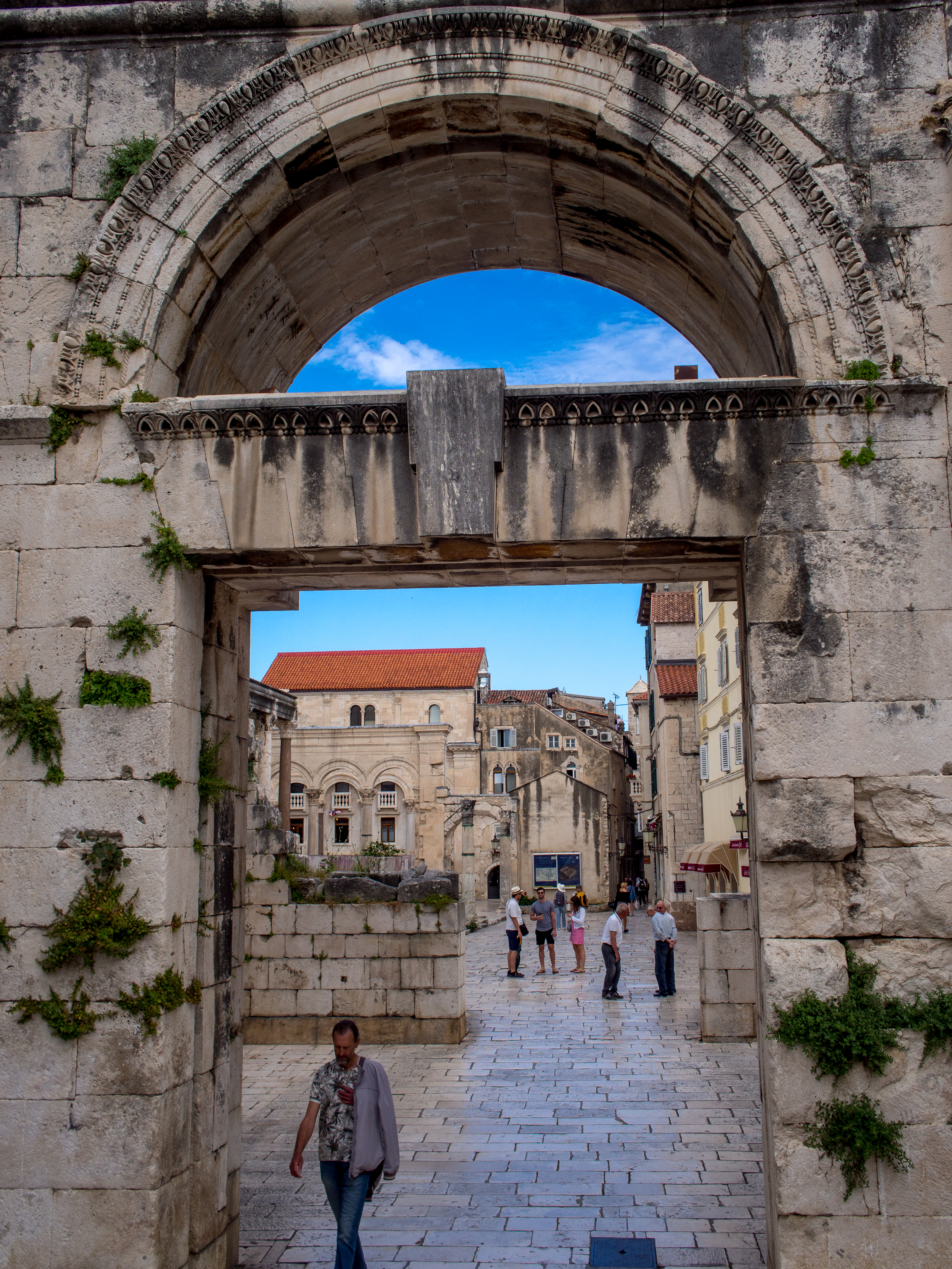

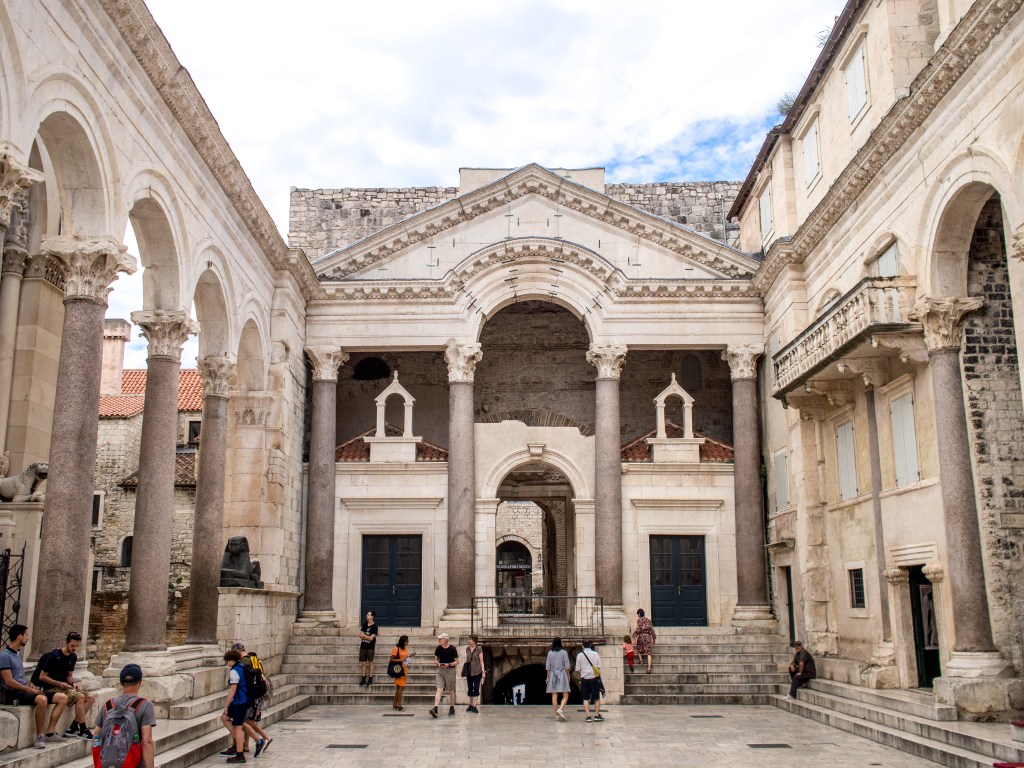

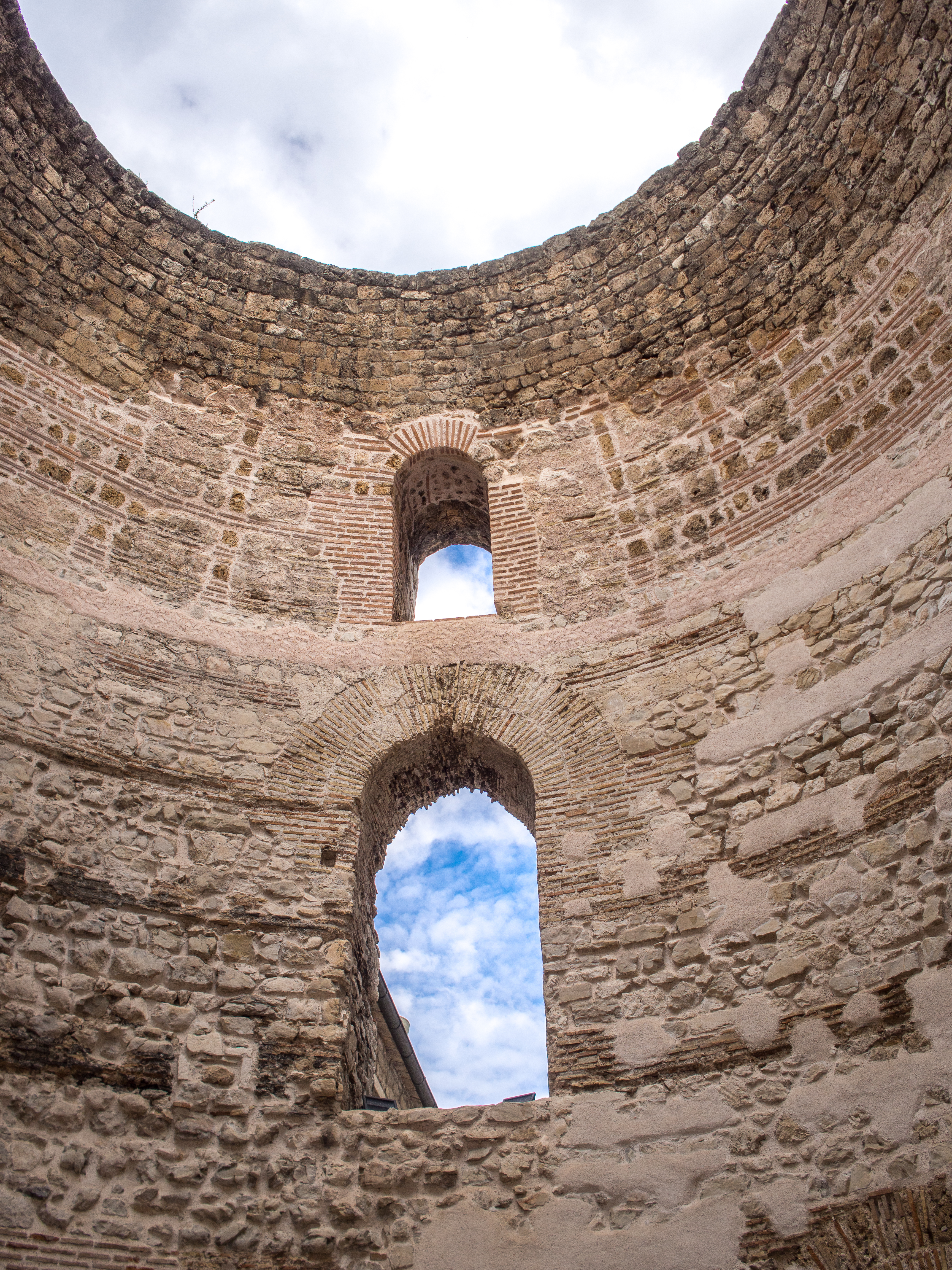
From the Peristyle, we were then led to the Vestibule, which was a tall, grand, hollow, structure that served as the entryway to the emperor’s residential quarters.
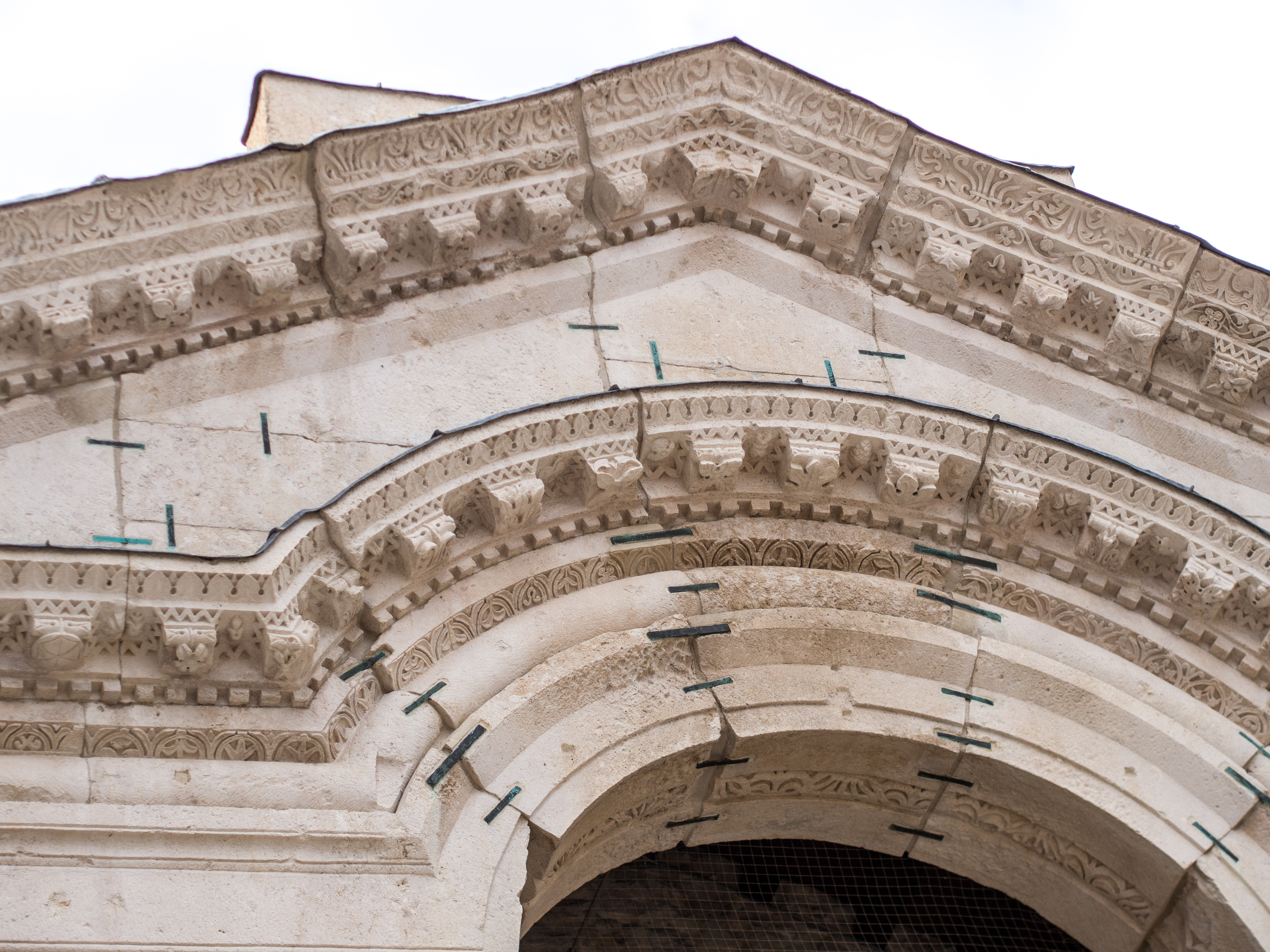
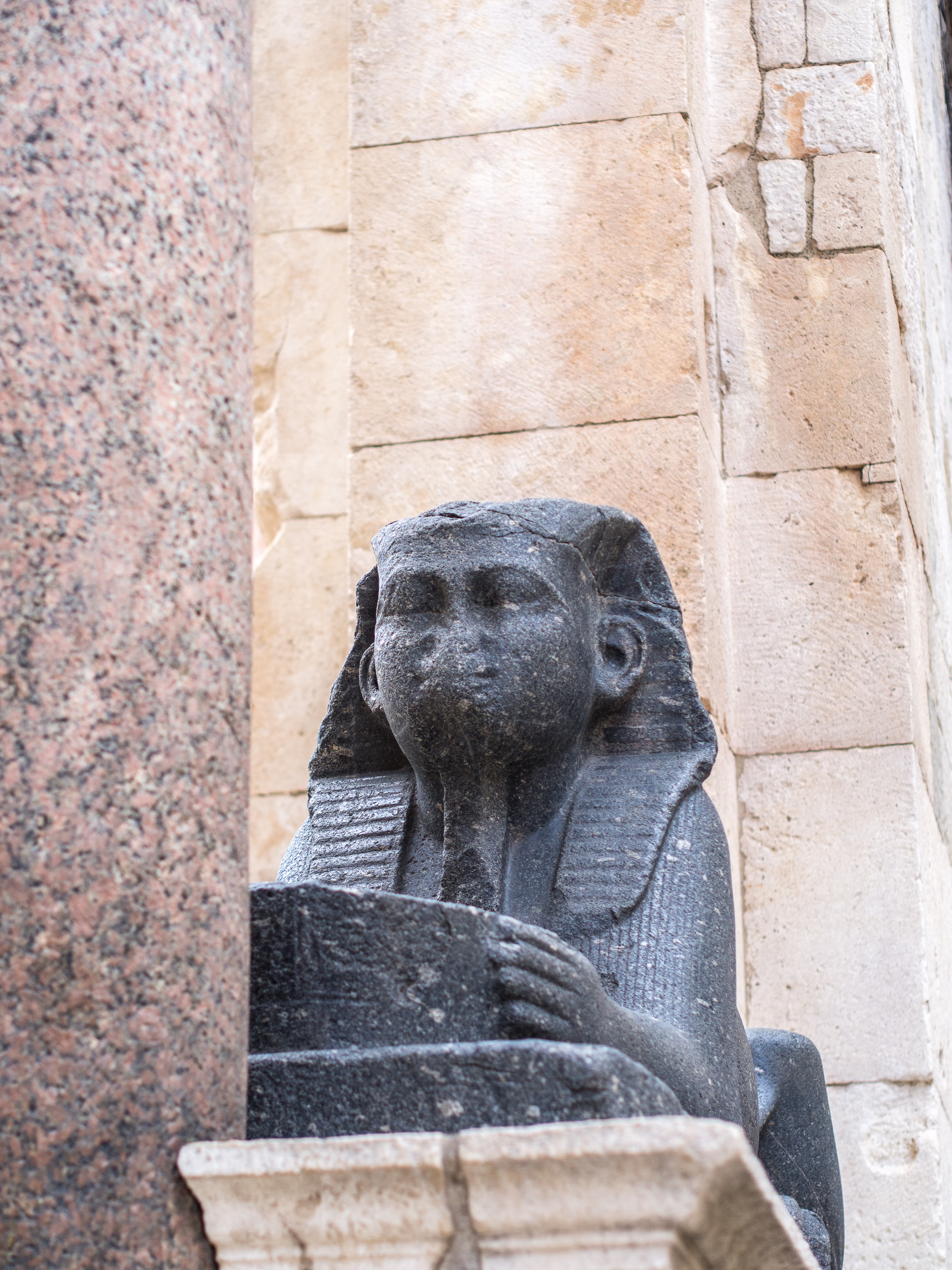
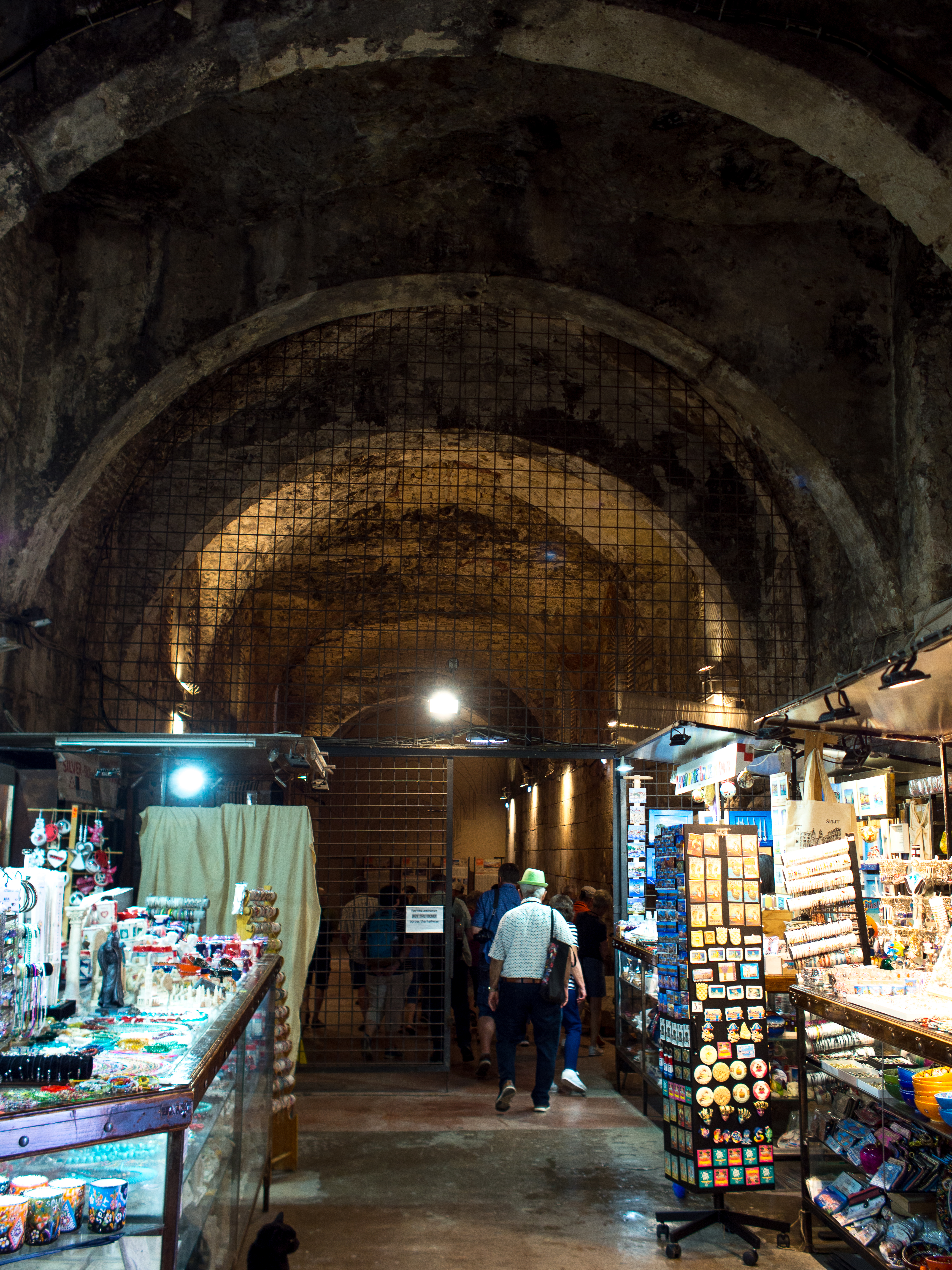
The Bronze gate (South gate) was the side that fronted the riviera. We assumed that it was built for ships to sail directly through the gate into the cavernous basement on the other side of the wall.
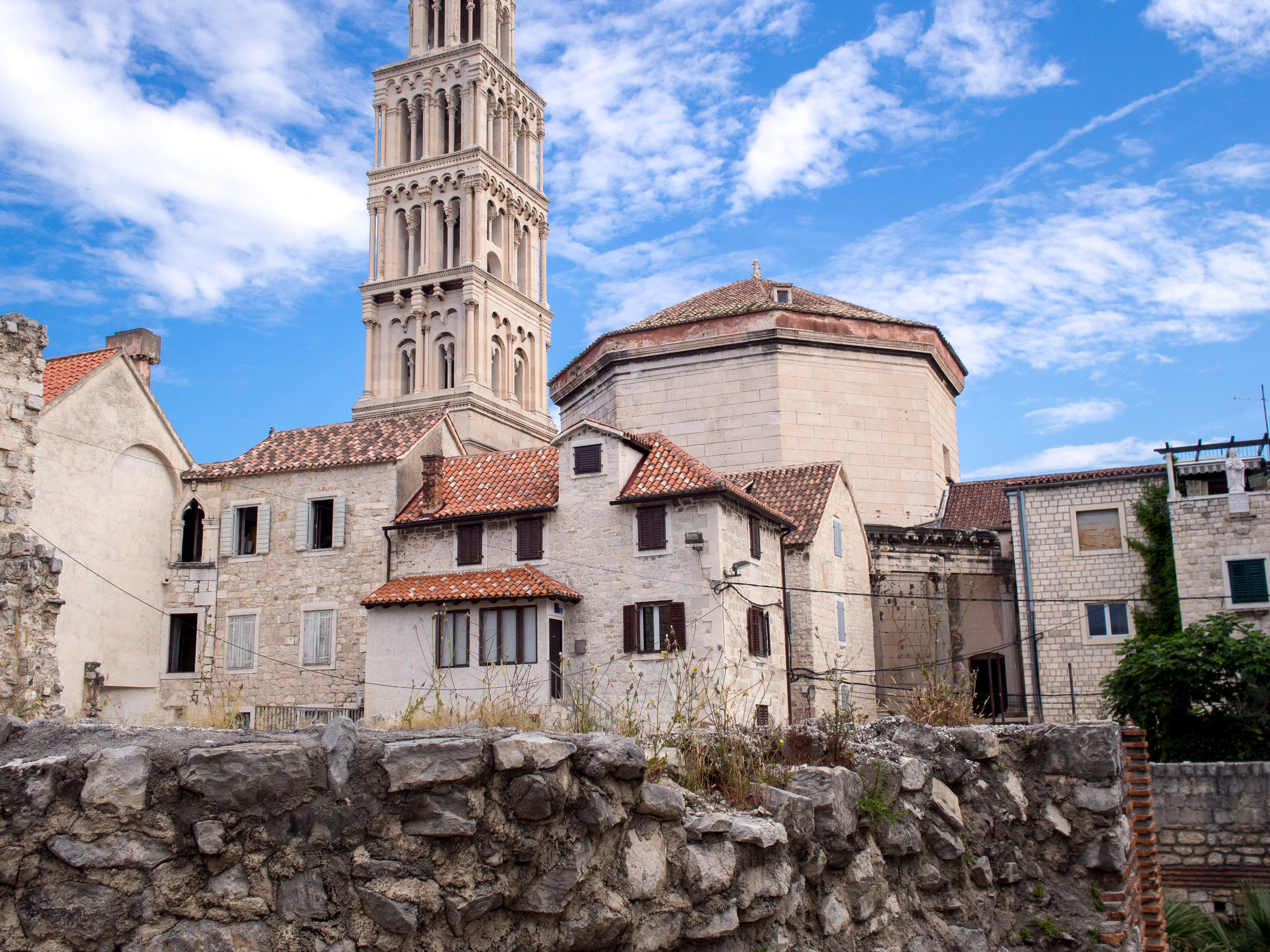
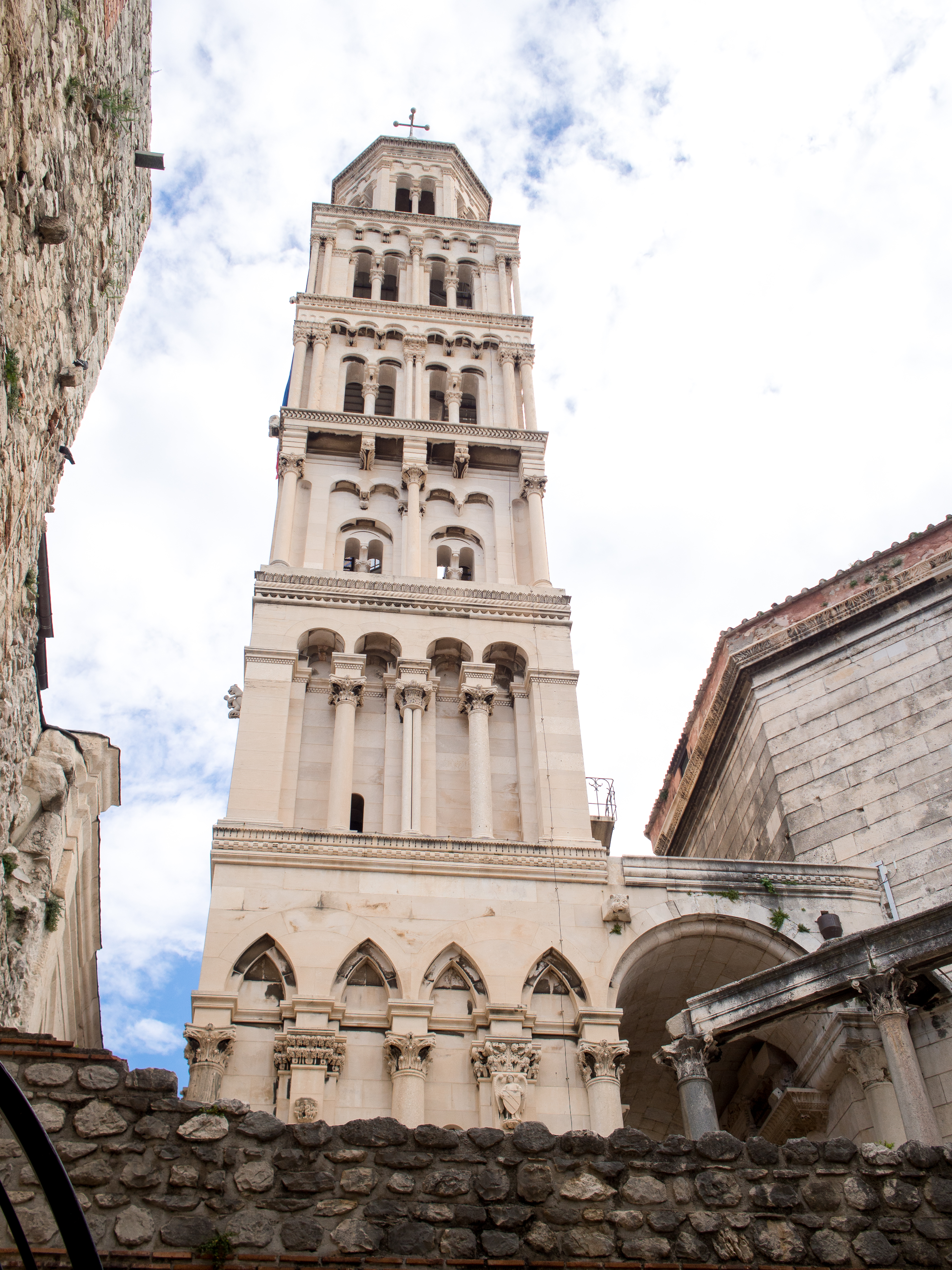
The Iron gate (west gate) was a military gate and purportedly the only one that has been continuously in use until today, yes, that brackish narrow passage way next to the bell tower in the photo below.
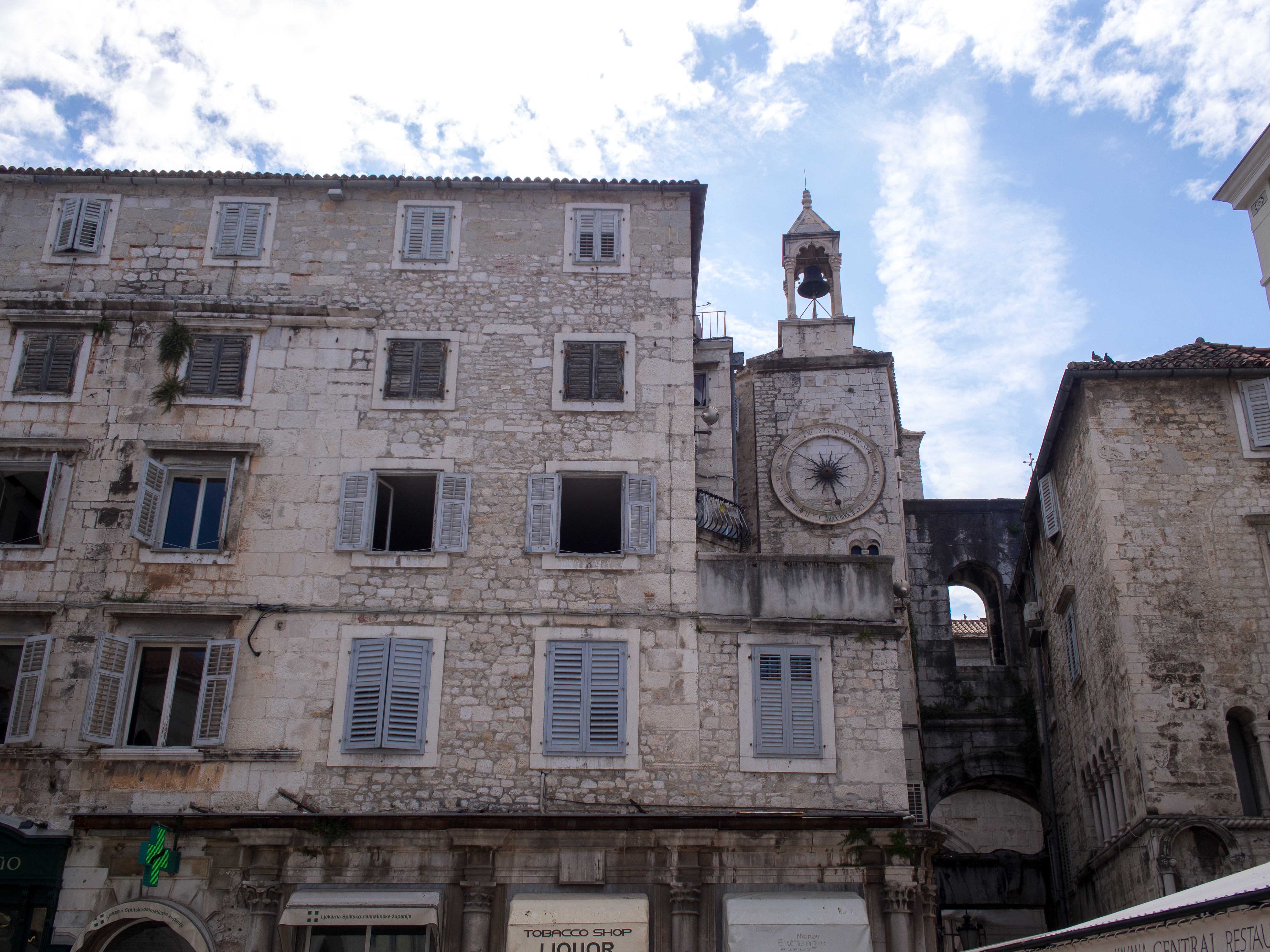
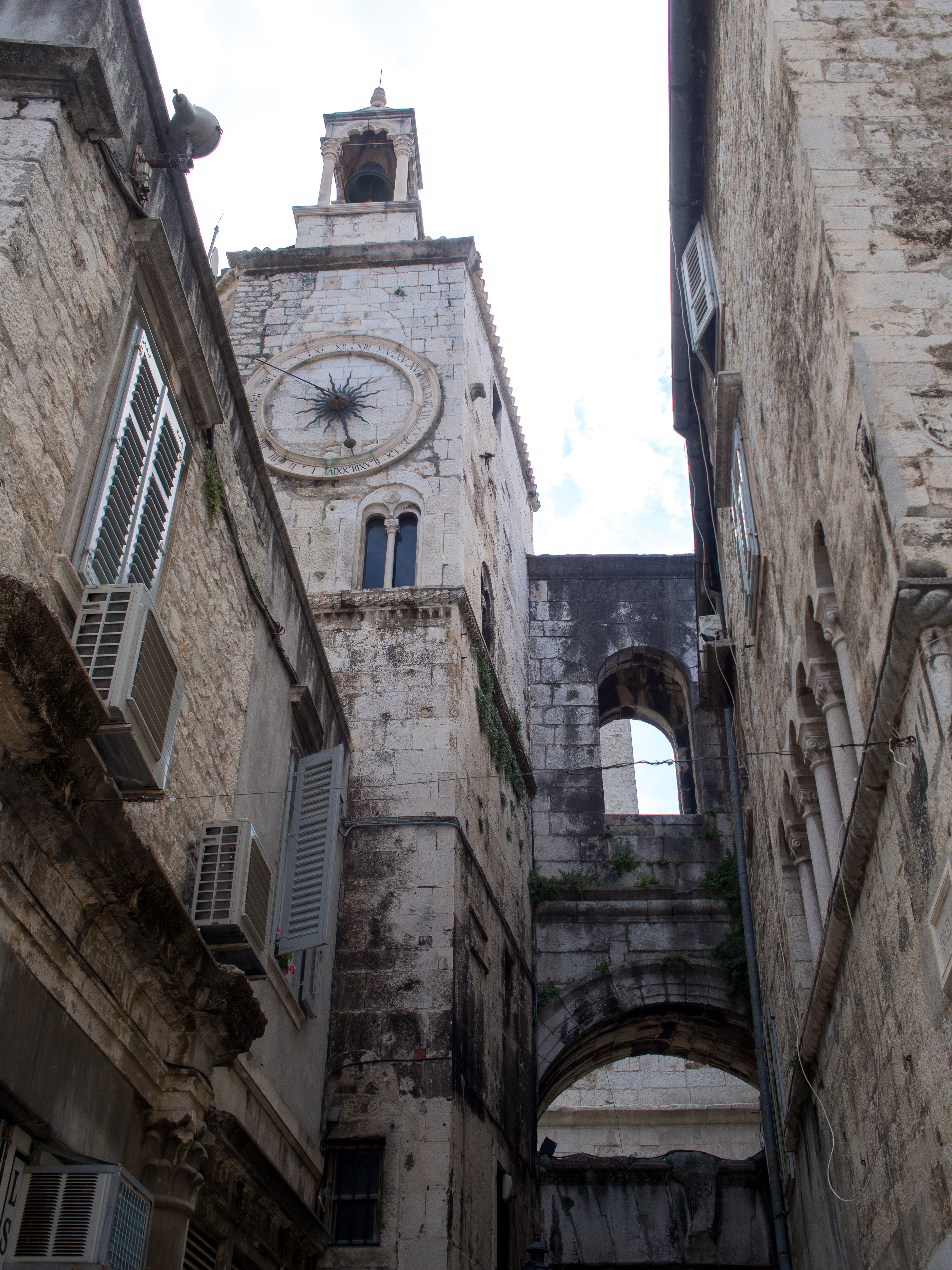
The Golden Gate (North gate) was the main gate from which the Emperor entered.
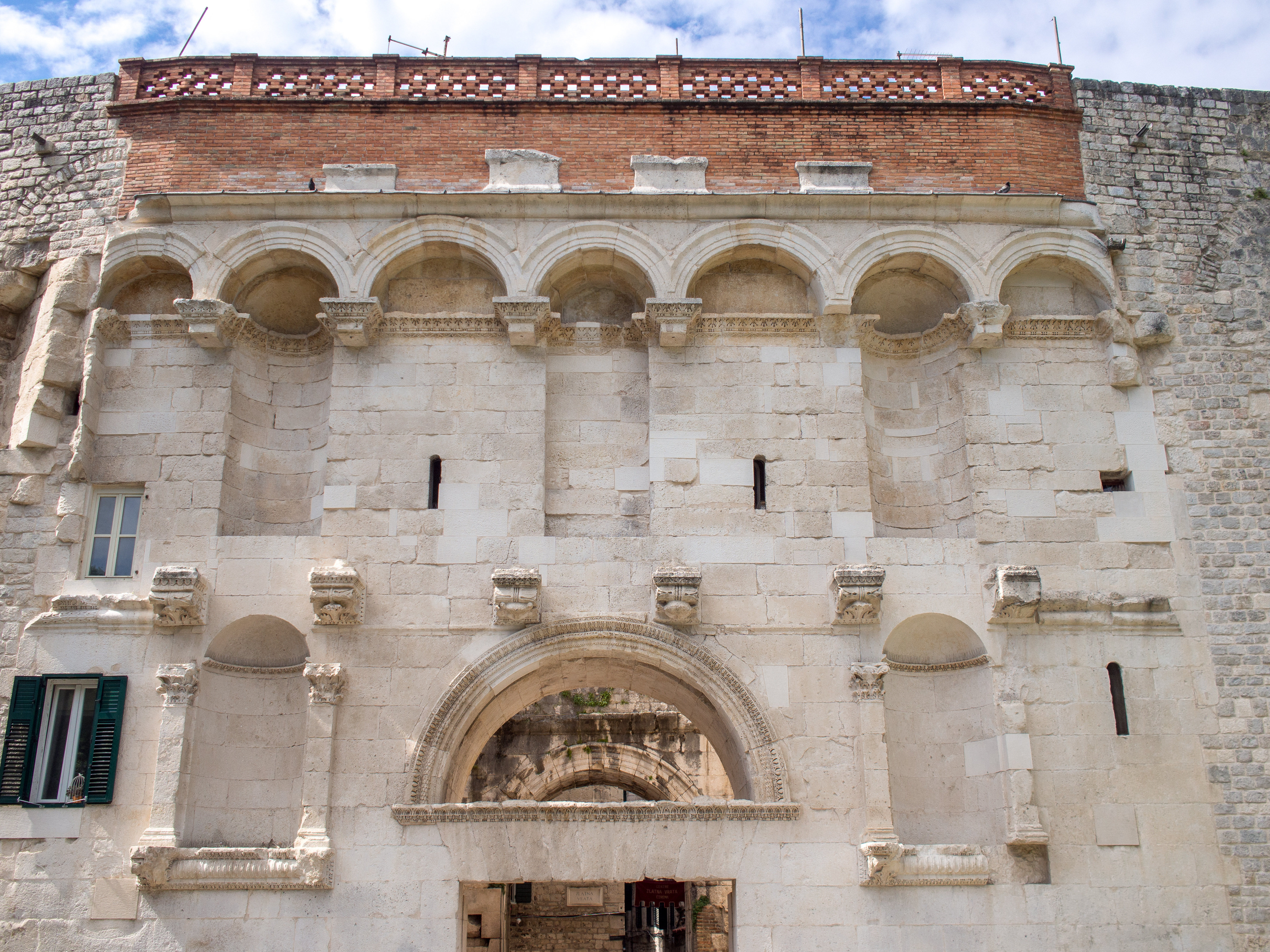
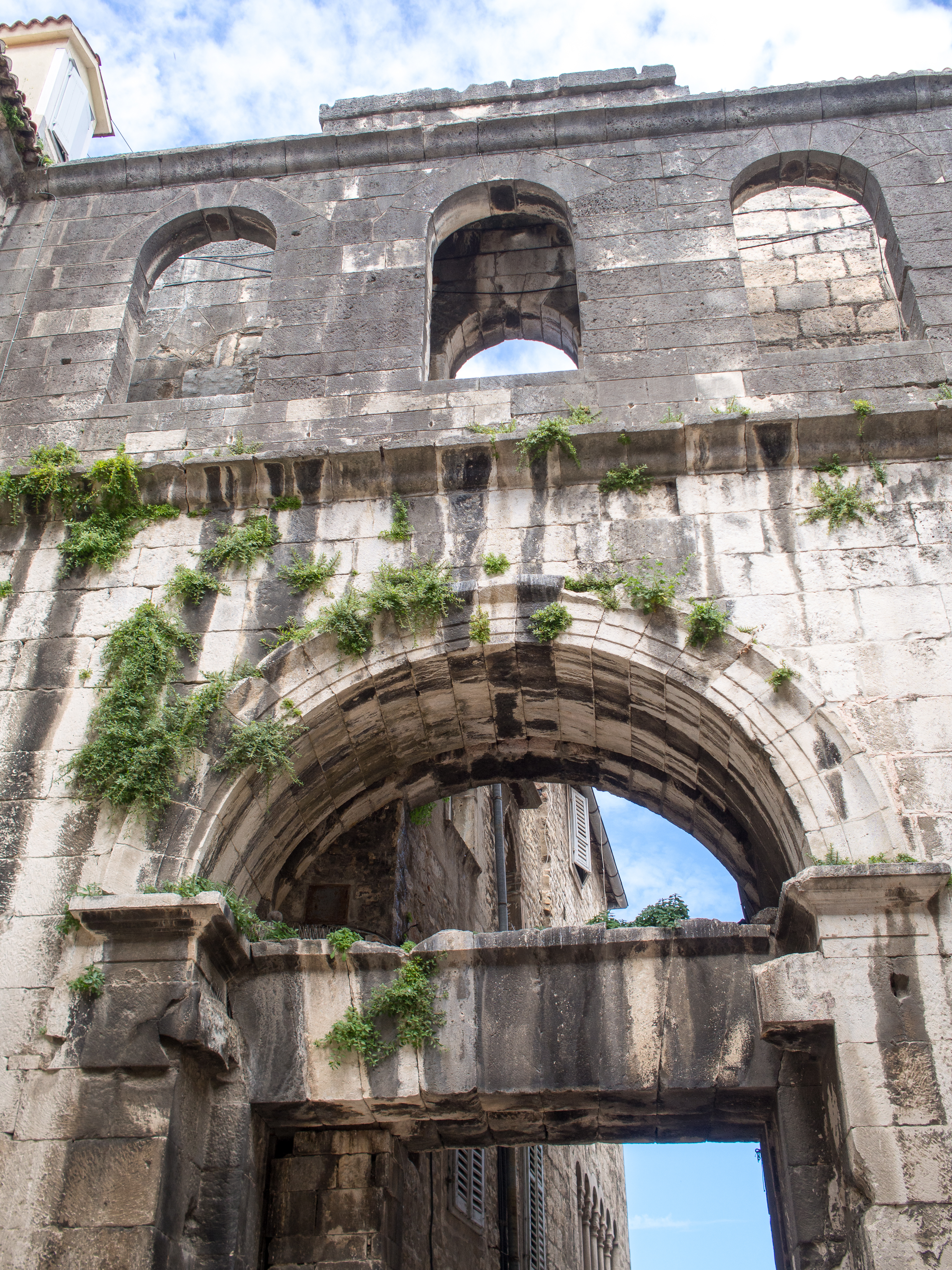
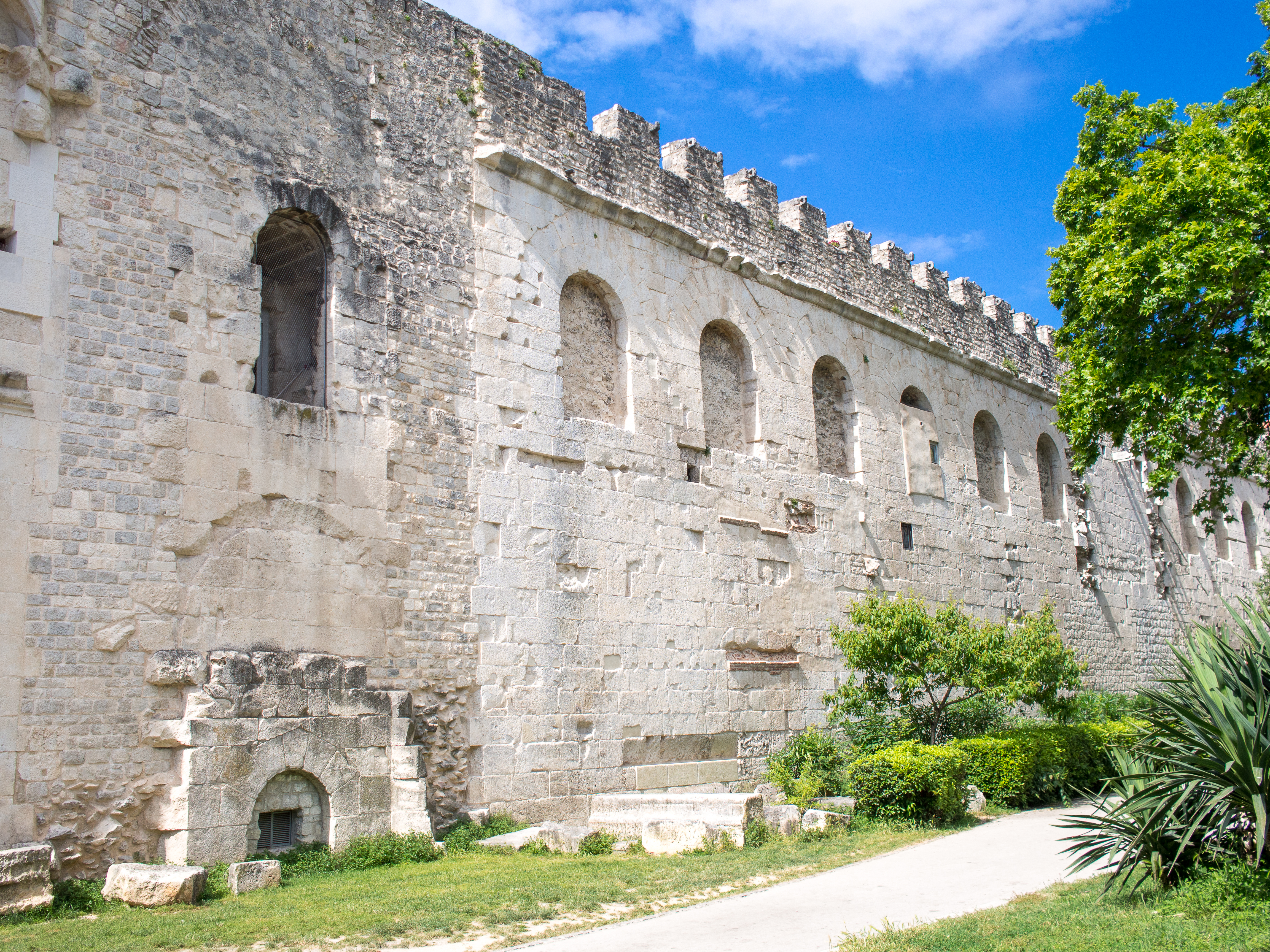
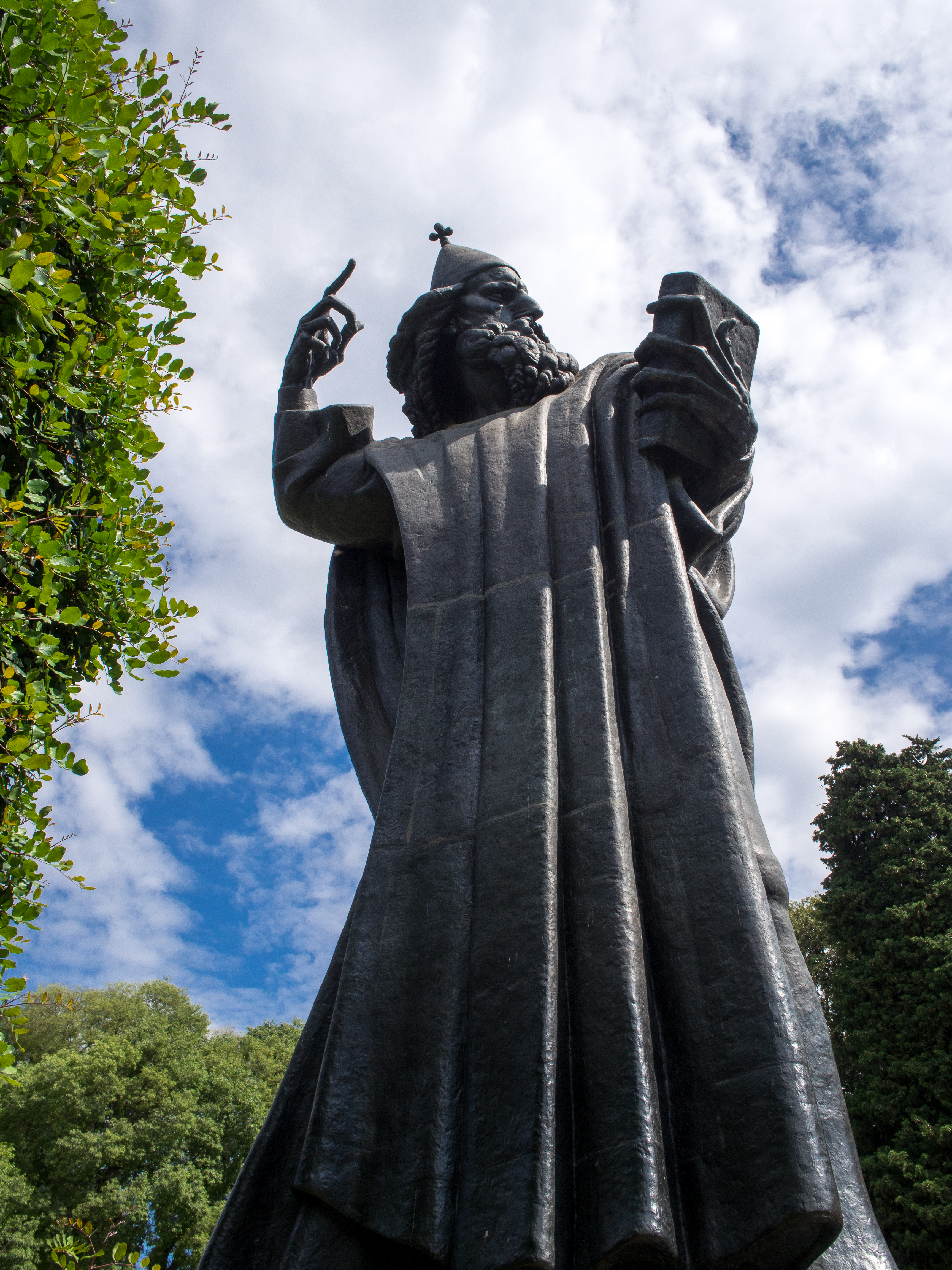
Outside the Golden gate, there’s a 8.5m tall statue of Gregory of Nin (homage to a bishop circa 926 who helped encourage literacy amongst the peasants) and a pretty landscaped park.
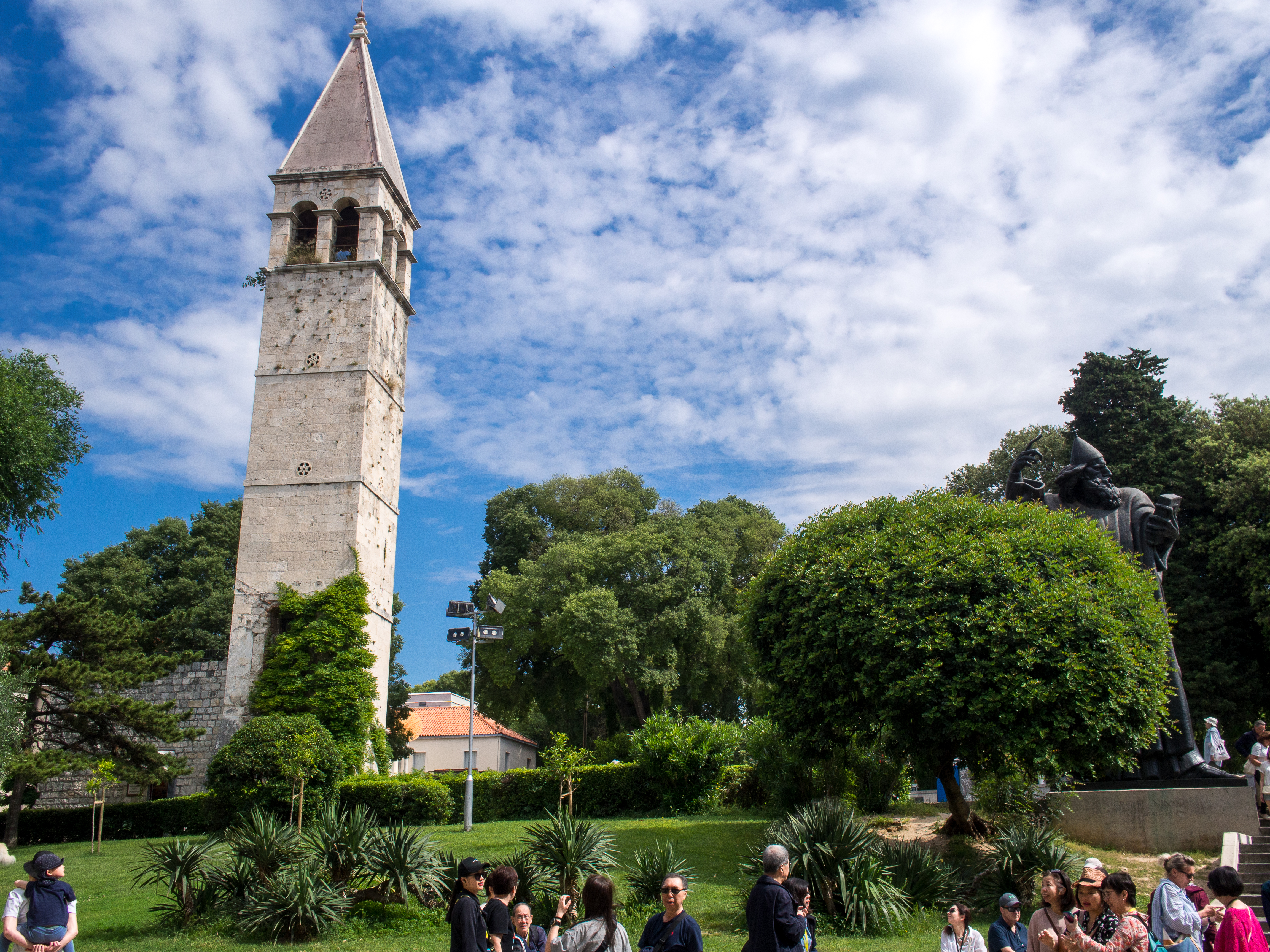
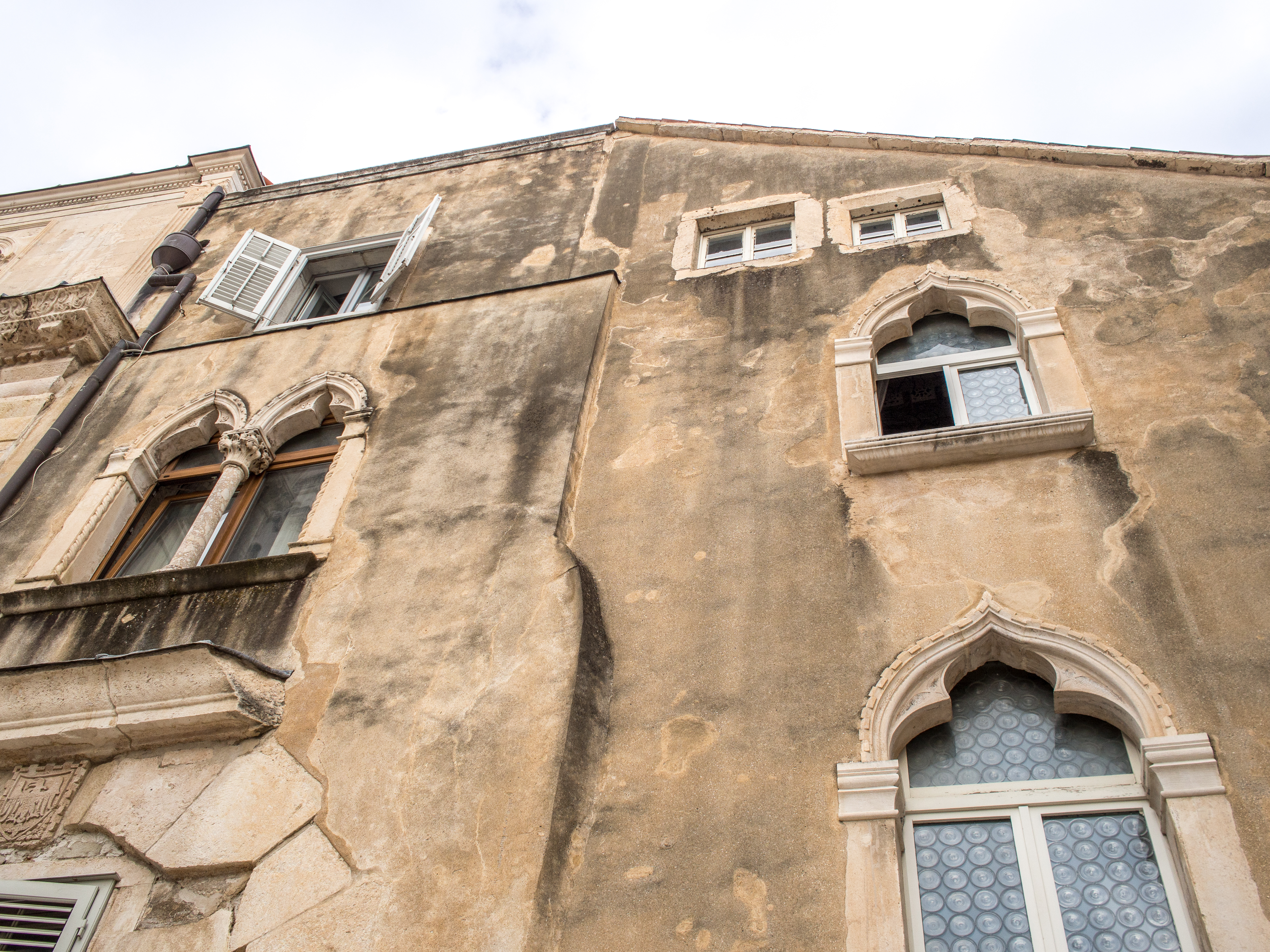
The Diocletian’s Palace was overall, a very well preserved old town and covered quite a large area. It was a quick but well attended history lesson as we strolled though the old streets and imagined how people lived in these quarters as they watched the ships sailed into the fortress.
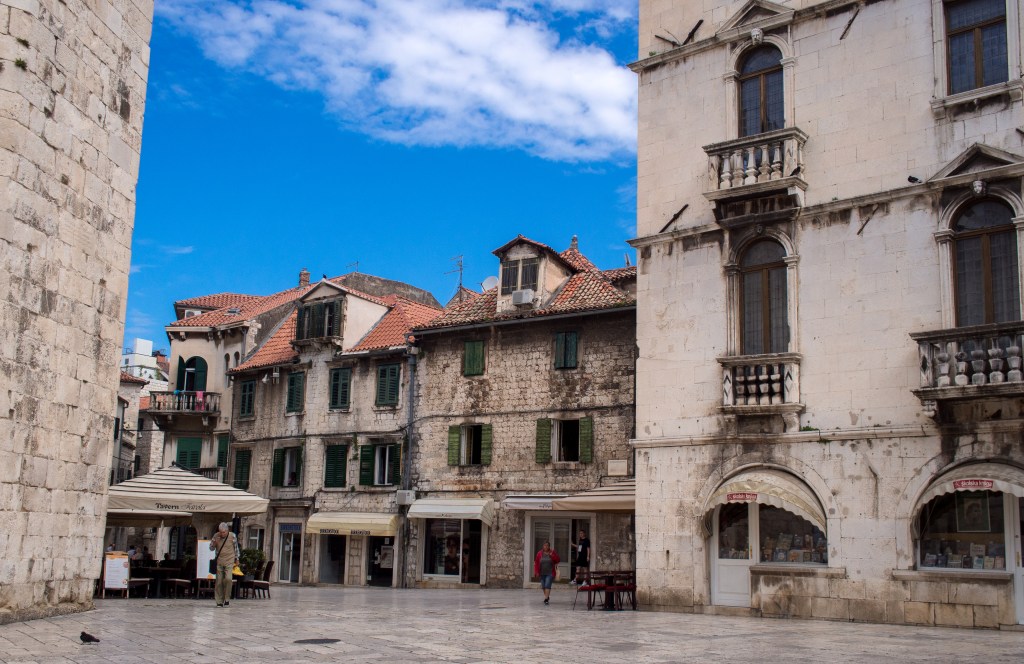
We took an hour and a half to walk the entire palace grounds before we settled down for a much-needed coffee break at Uje Oil Bar.
Split old town is a wonderful place to cafe hop, chill or just watch the world go by. There are many good, quirky cafes and restaurants tucked within these alleys so take the time to explore. Establishment recommendations are below!
We would have liked to do lunch in Split but we were in stuck in an awkward brunch-zone timing so we decided it was best for us to scoot off earlier to Ston.
Steps walked: 17,421
Food: Fig Restaurant, Pizzaferaj City, KaKantun – Specialty coffee and Gin, D16 Coffee, Galerija Bar Food, Pizzeria Sette Sorelle, Bokamorra, Bokeria Kitchen & Wine
Moving on – Ston, Mali Ston
We left Split at 11am and could have reached Ston at 1pm but an inadvertent detour saw us arrive in Ston at 2pm.
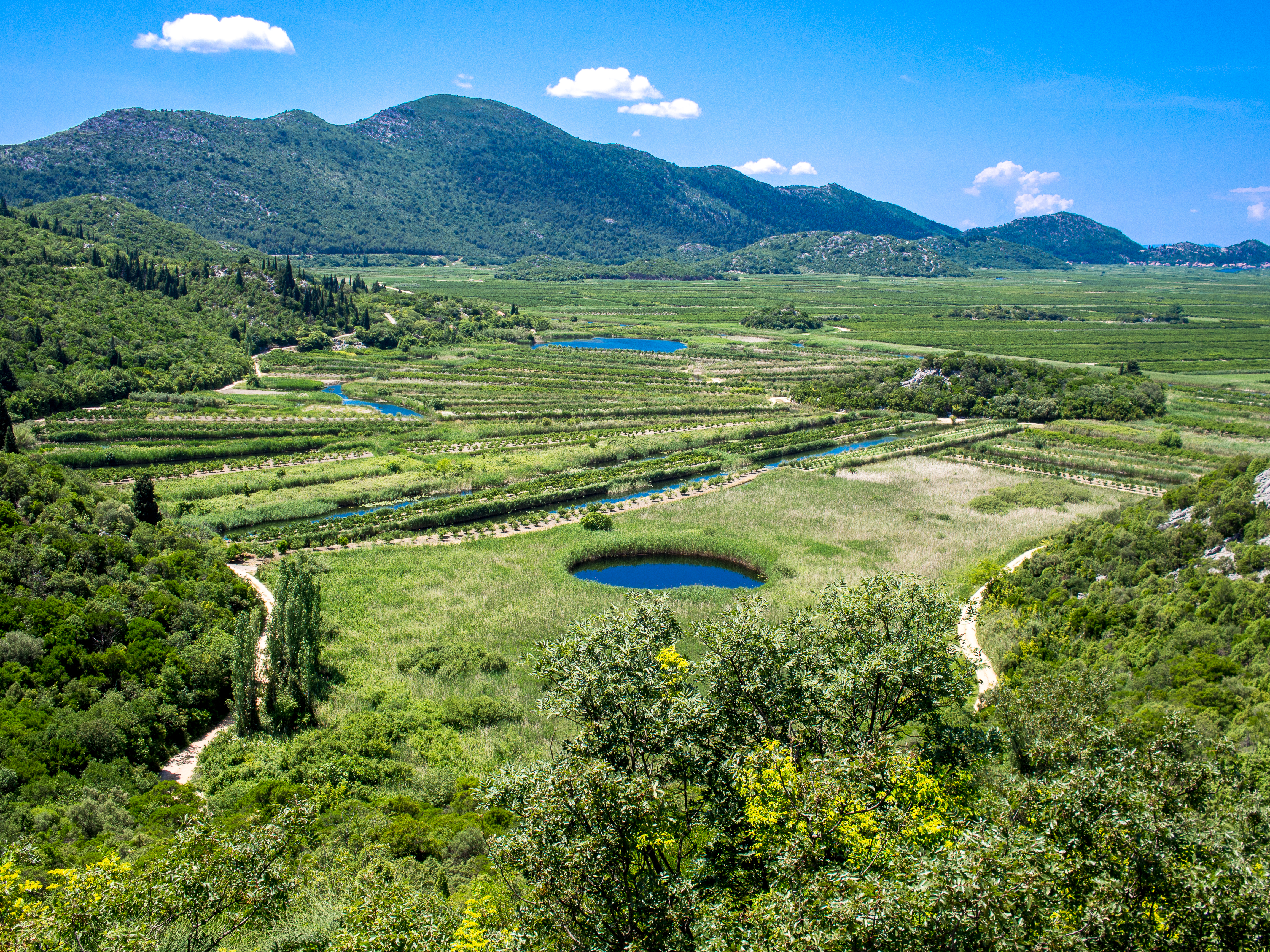
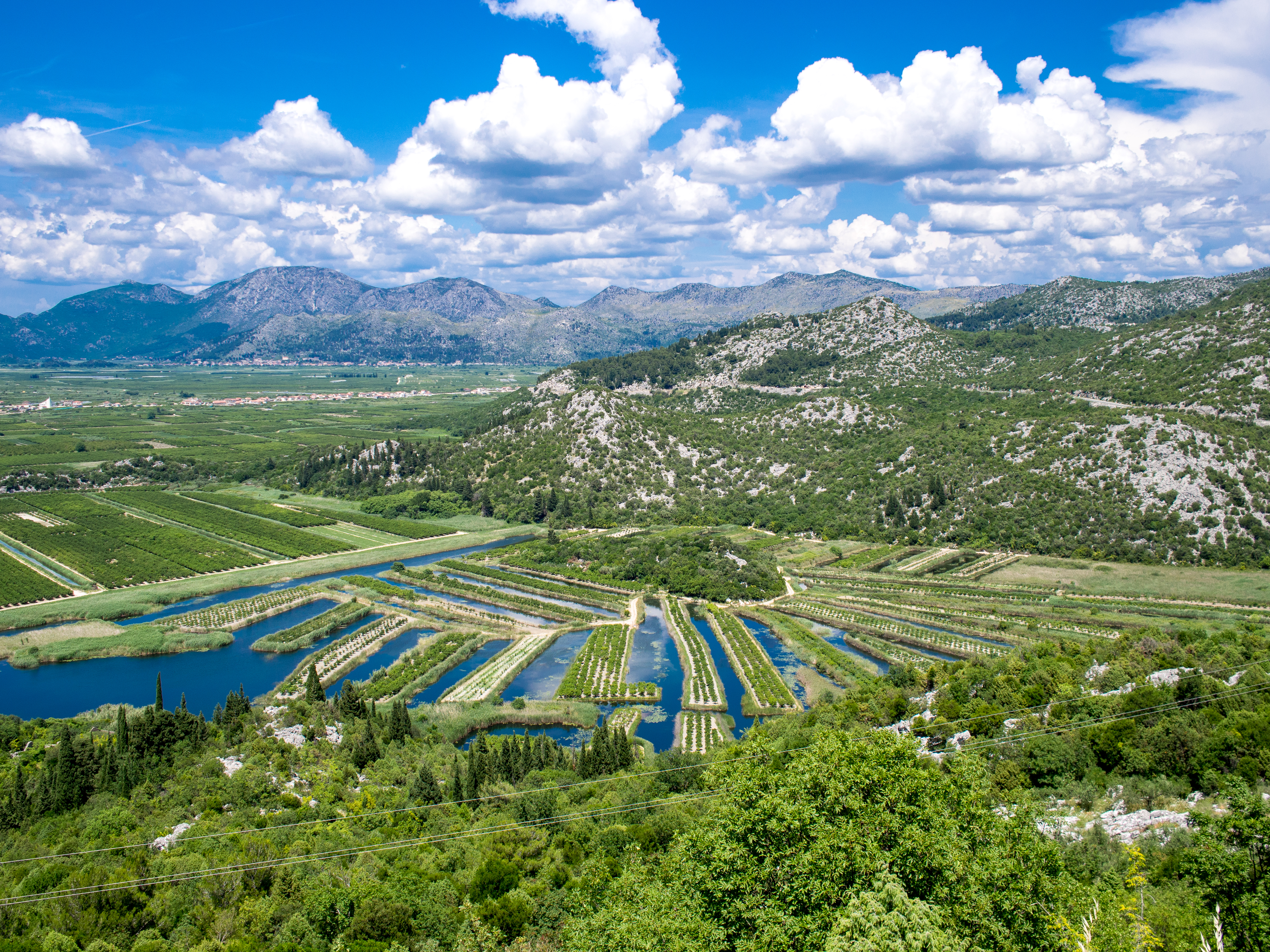
There are 2 routes to Ston: the inland route (~2 hrs) and the coastal route (~3 hrs) and no lack of photogenic spots and tourist attractions (eg Stella Croatica Olive Museum) on both. Here’s a sample: some beautiful waterways at Vidikovac Dolina Neretve (below).
Parking at Ston was €1/hour, pay at the auto-stations or scan the app to pay online.
Ston, being a small settlement, had limited good restaurant options in town. We went to Stagnum but this was reserved for an event (on a weekday!) so we made do with Konoba Bakus which had super slow service and average food (raw oysters, squid ink pasta, veal risotto).
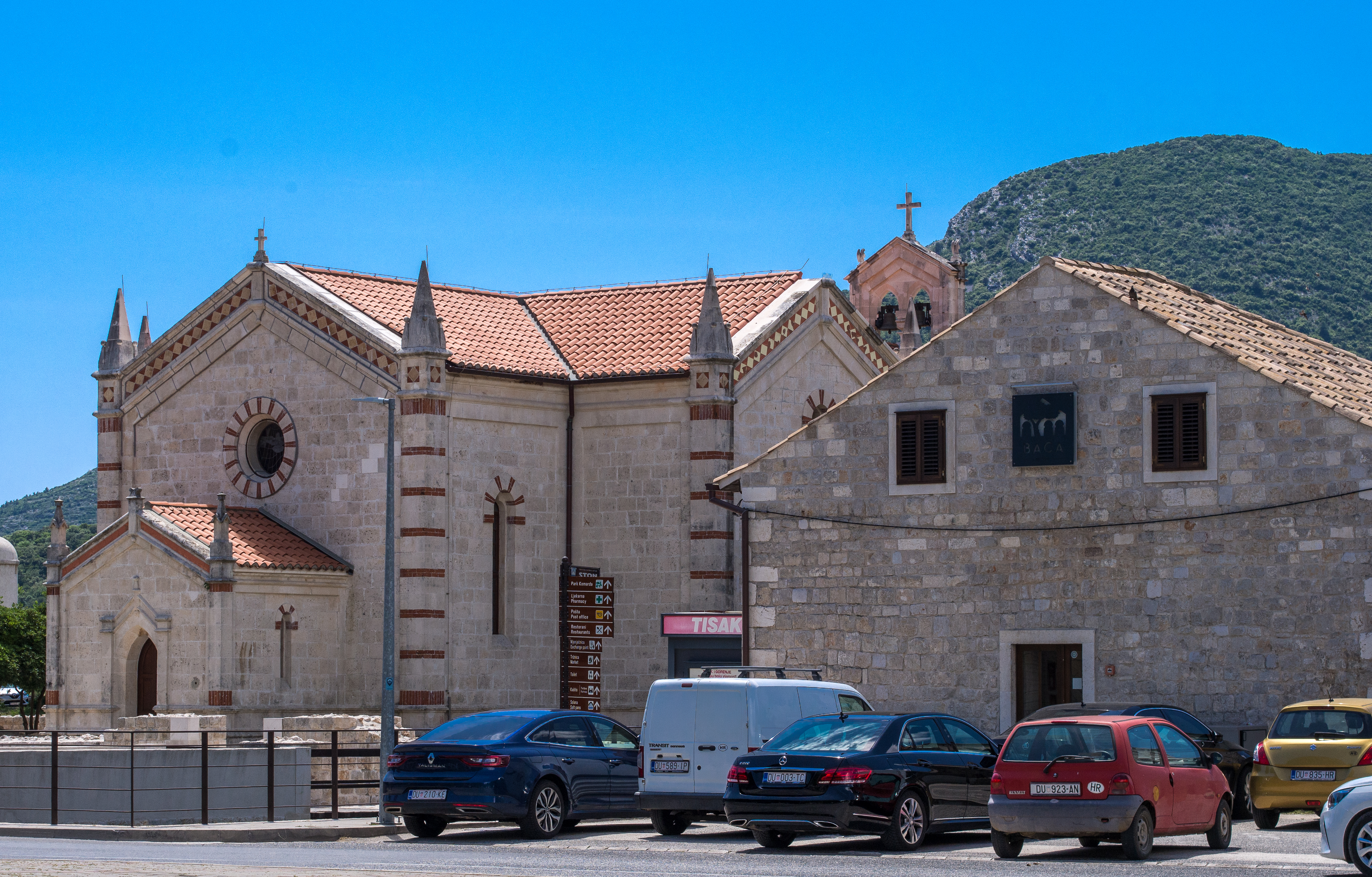
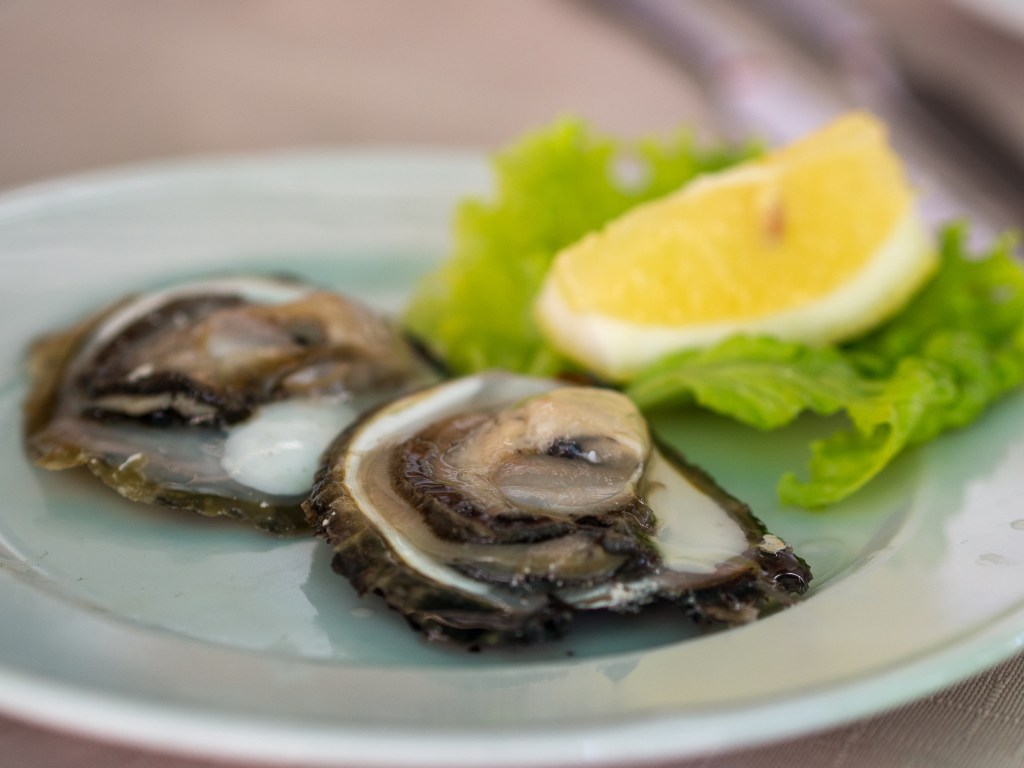
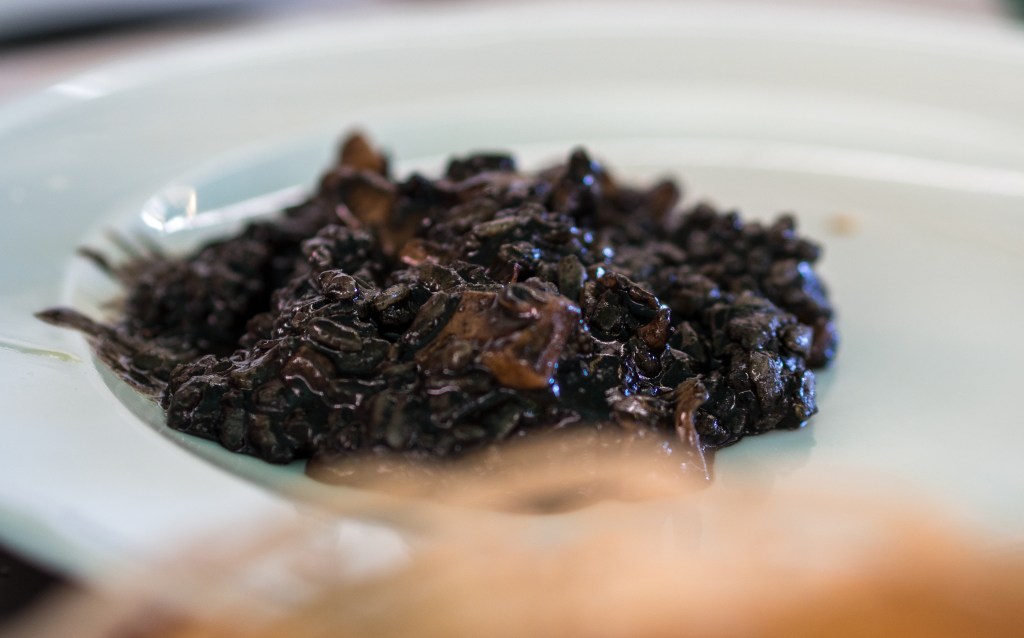
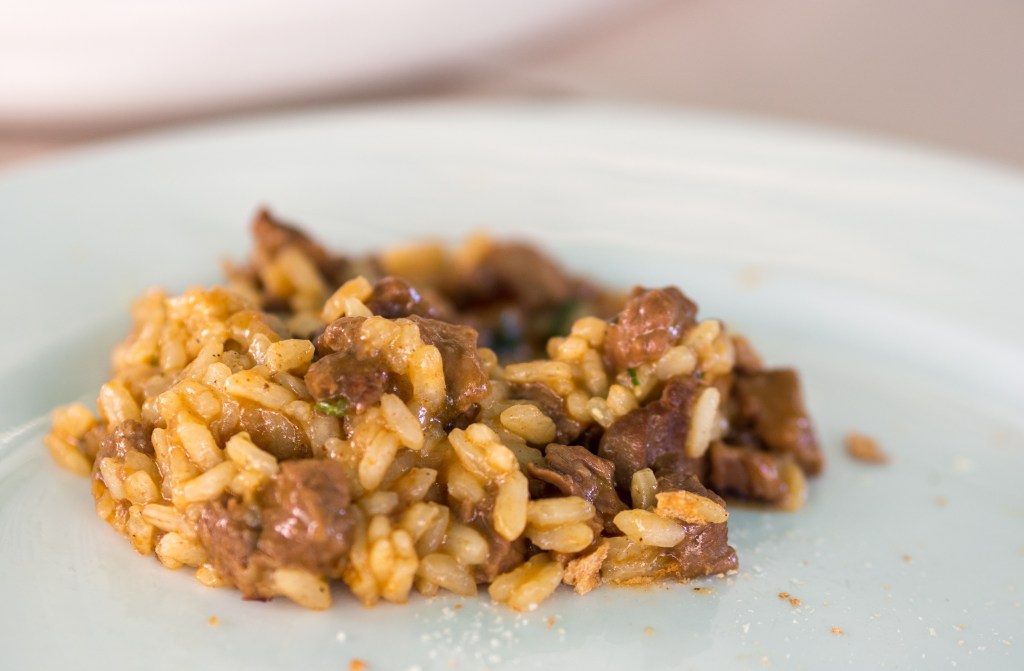
Lunch done, we decided to climb the fortress walls in spite of the searing heat from the late afternoon sun (€10/pax, buy ticket at entrance). Yup, we resisted paying €10 for an easy climb up the Spanish fortress in Hvar but readily surrender the same amount of moolah to crawl up a steep and long flight of part-restored steps to gawk at a little town and some salt lakes.
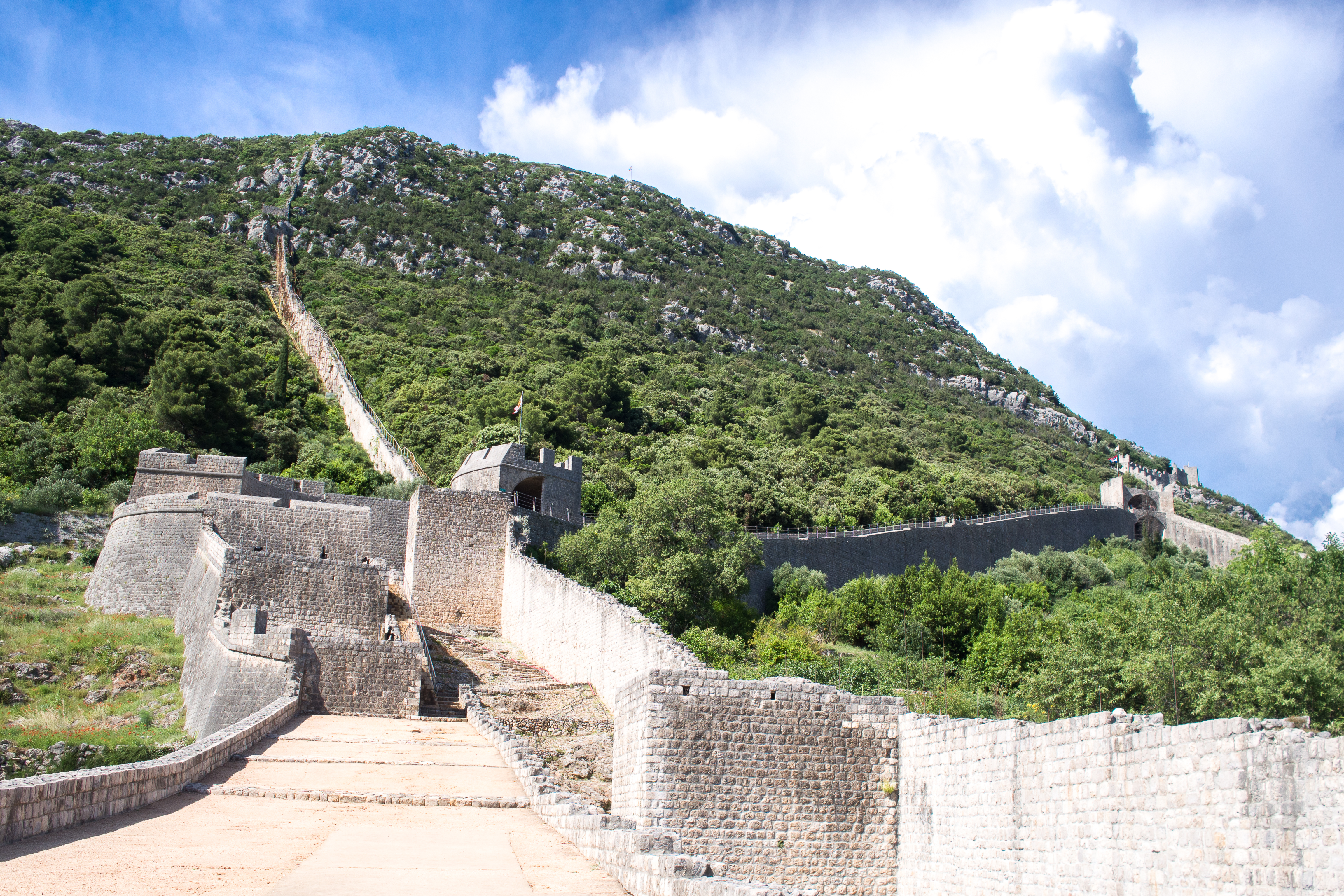
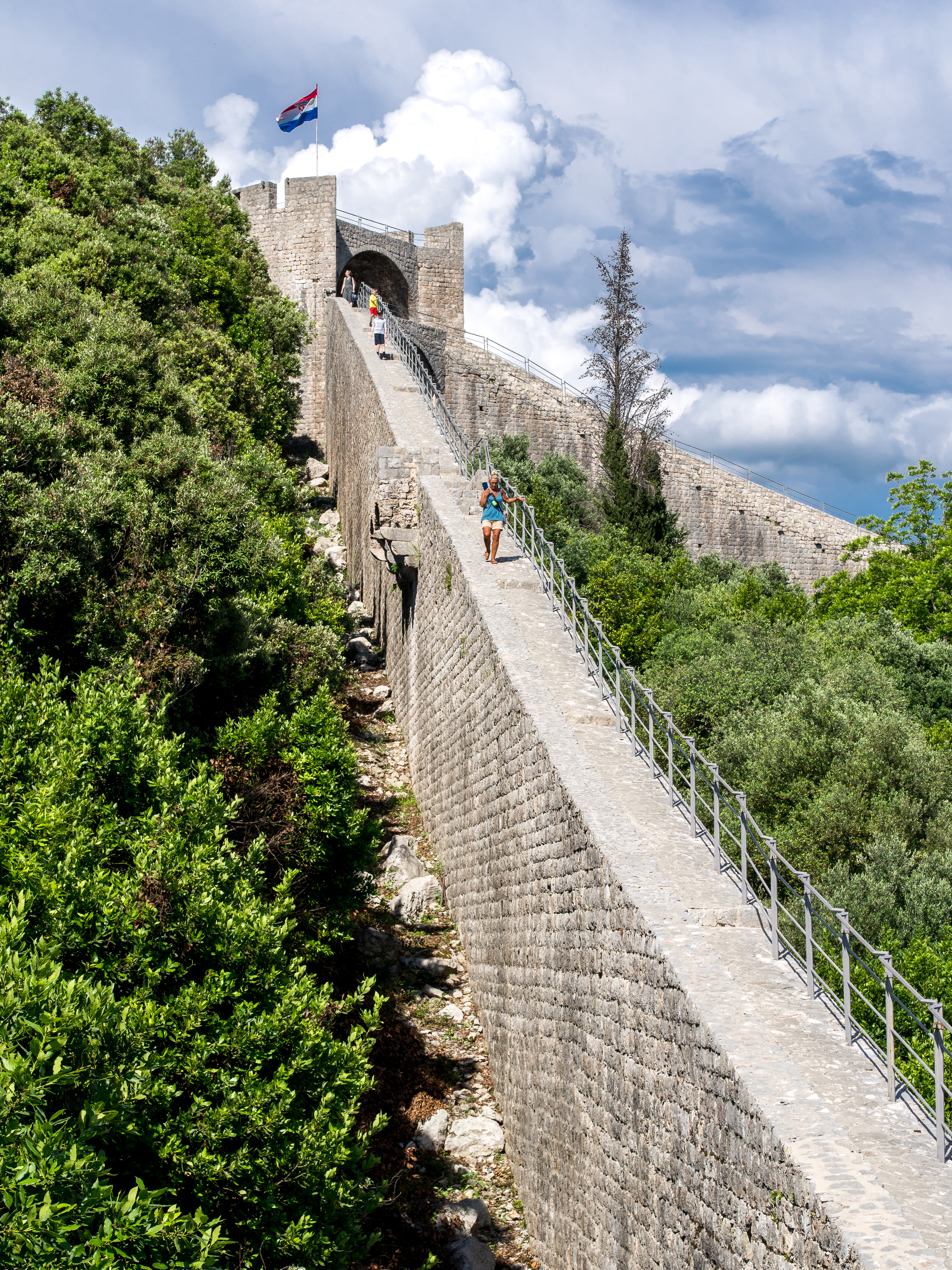
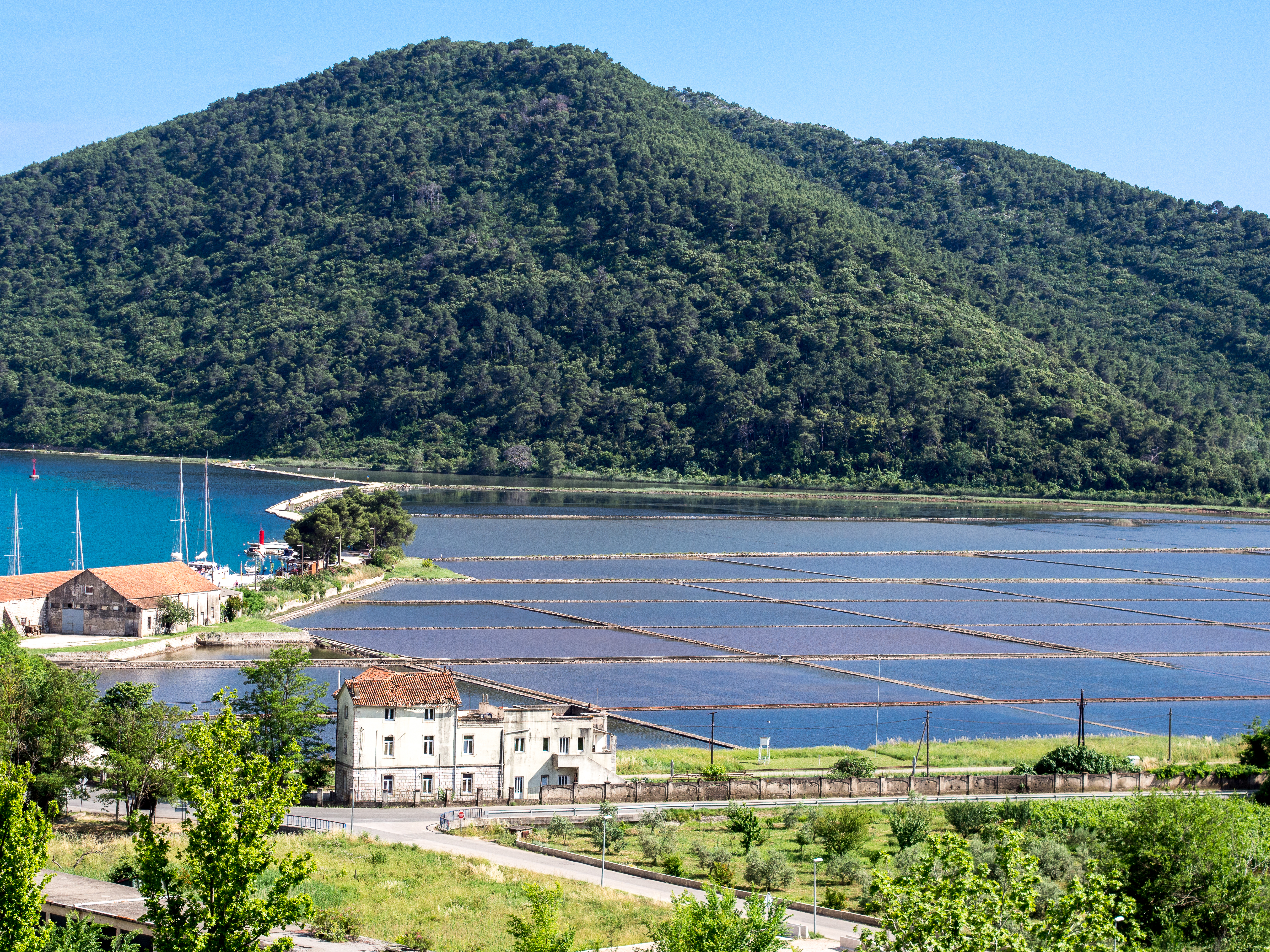
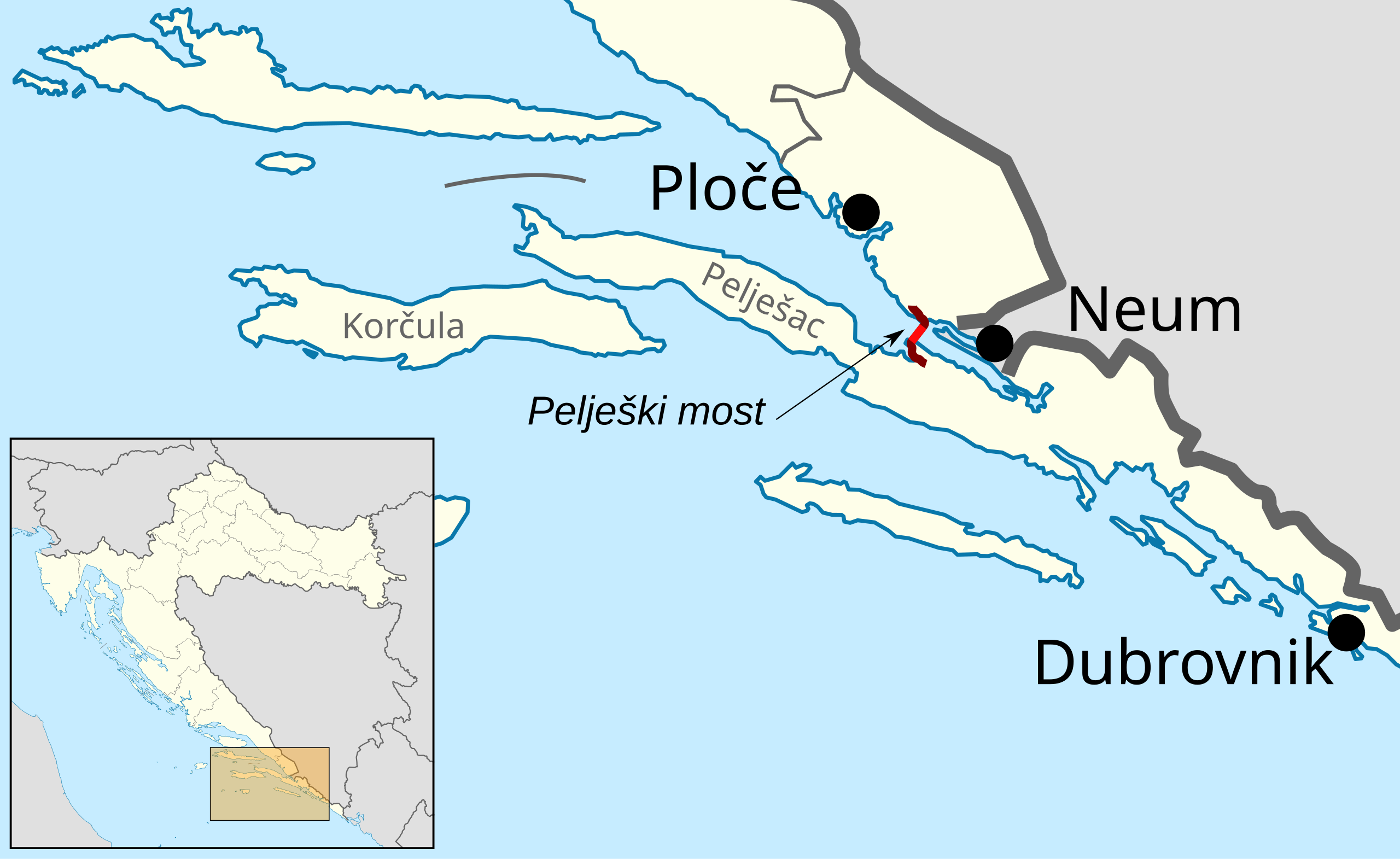
Ston was located on the Pelješac peninsula and connected to the rest of Croatia by the Pelješac Bridge which was only completed in 2022. Before that, travelers from either side of Croatia had to pass through a 9km stretch of Bosnia-Herzegovina’s coast (and two border crossings) to reach it or cross over to the other side (images below from Wikipedia).
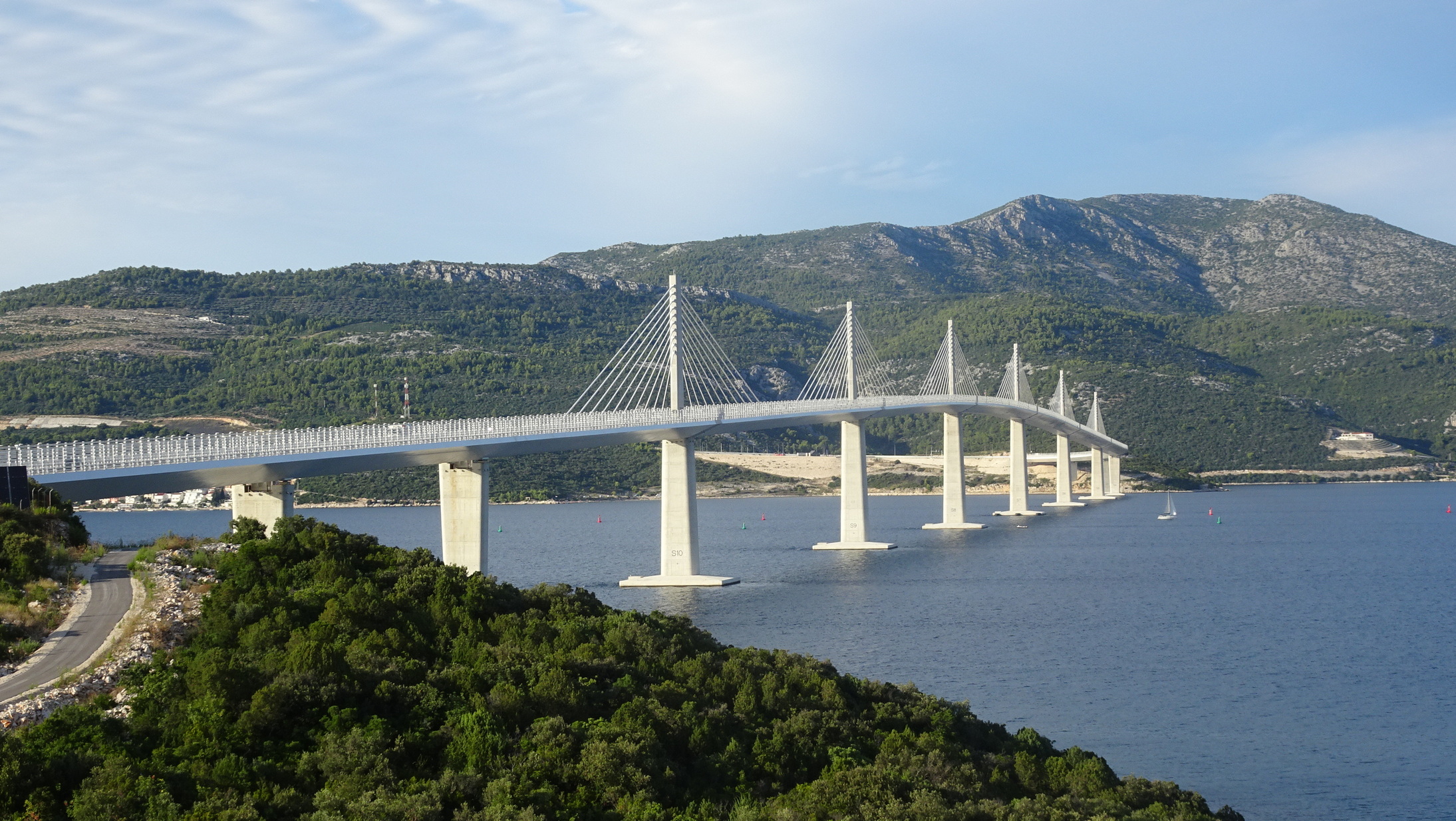

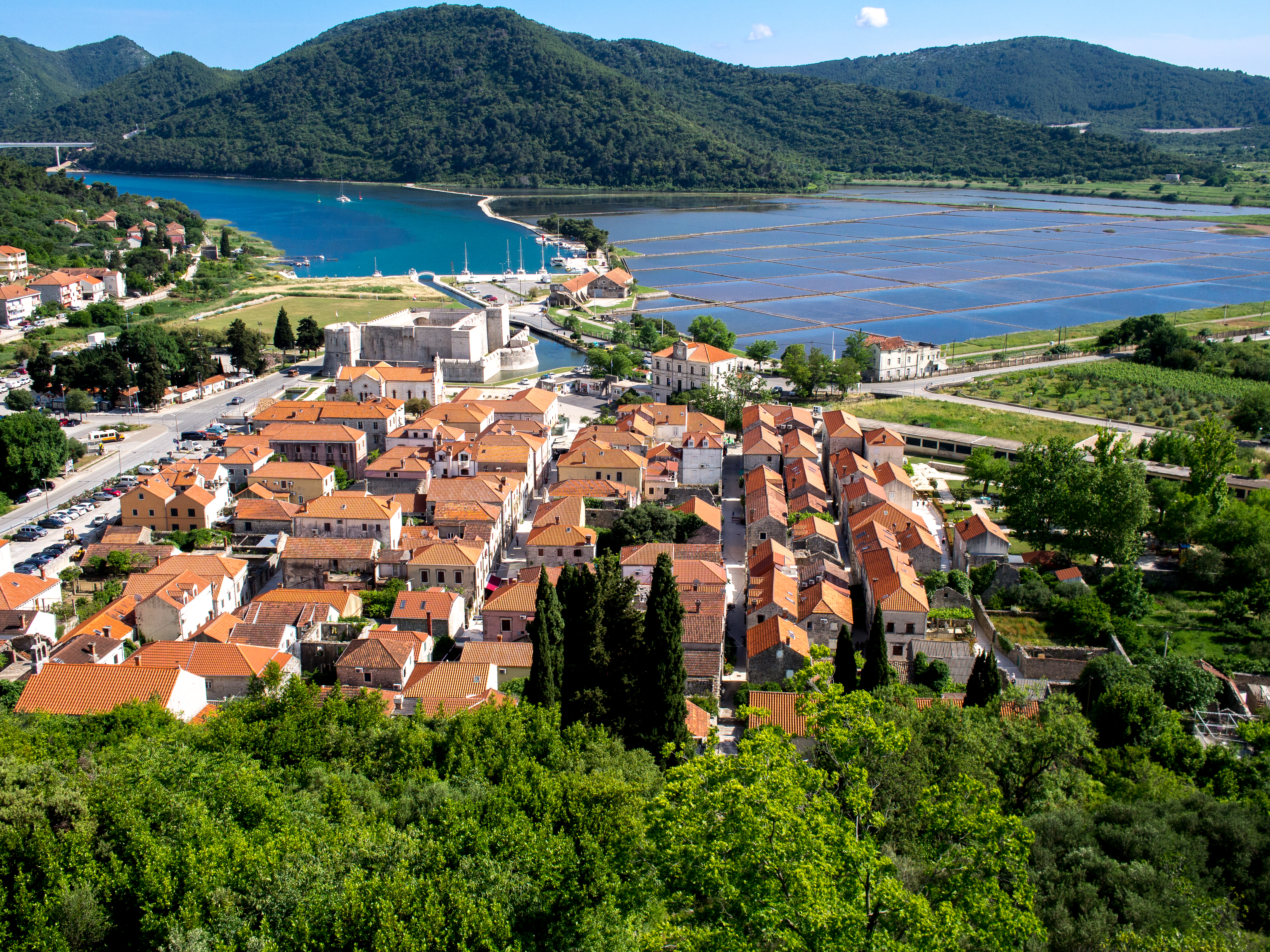
Ston was renowned for its Salona Ston, or the Ston salt works which generated much of its wealth for the past 2000 years, and for its 5.5km long wall. Traipsing the hill between Ston and Mali Ston, it was the longest defensive wall in Europe and the second longest in the world after the Great Wall of China. Construction began in 1333, was 7 km long when finished, and included three fortresses, 41 towers, 7 bastions and a system of moats, all designed to repel invading forces and/or protect the salt pans.
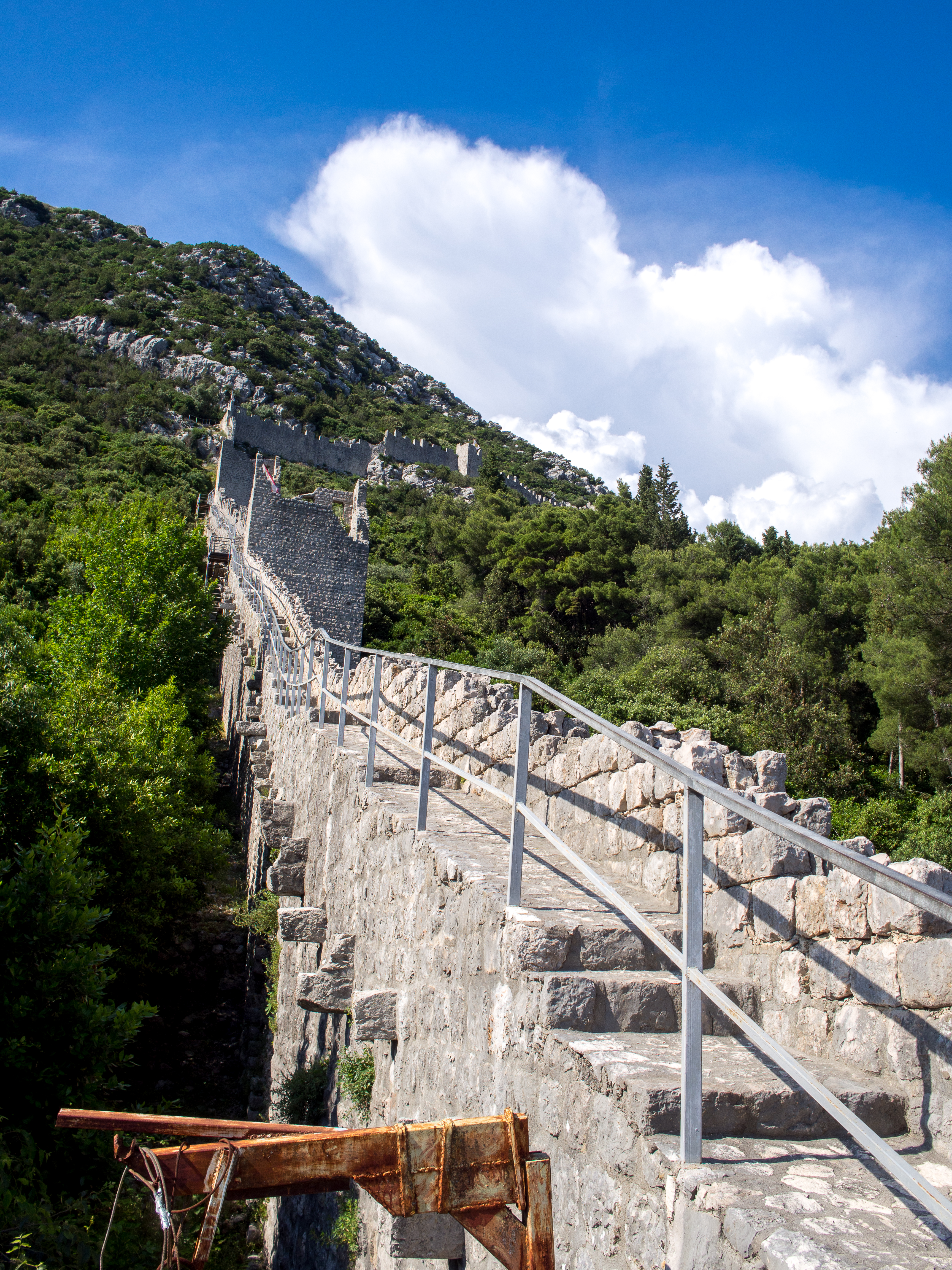
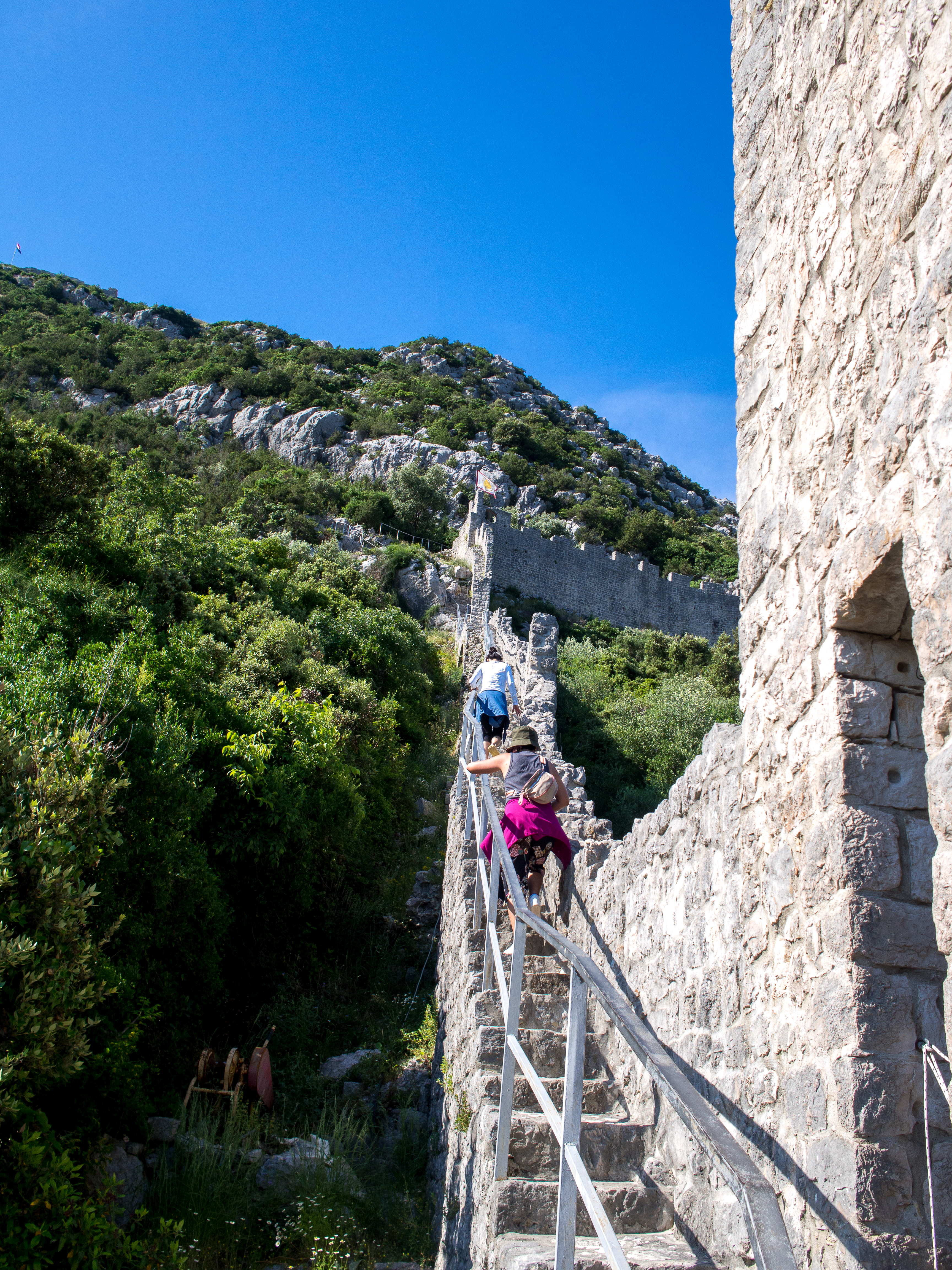

We only managed to climb the steps till mid-hill, as the steps beyond were under restoration. Still, it was already a very steep climb and took us 1.5 hours to finish the entire 5.5km span to reach Mali Ston. The ancients were much much fitter than us!
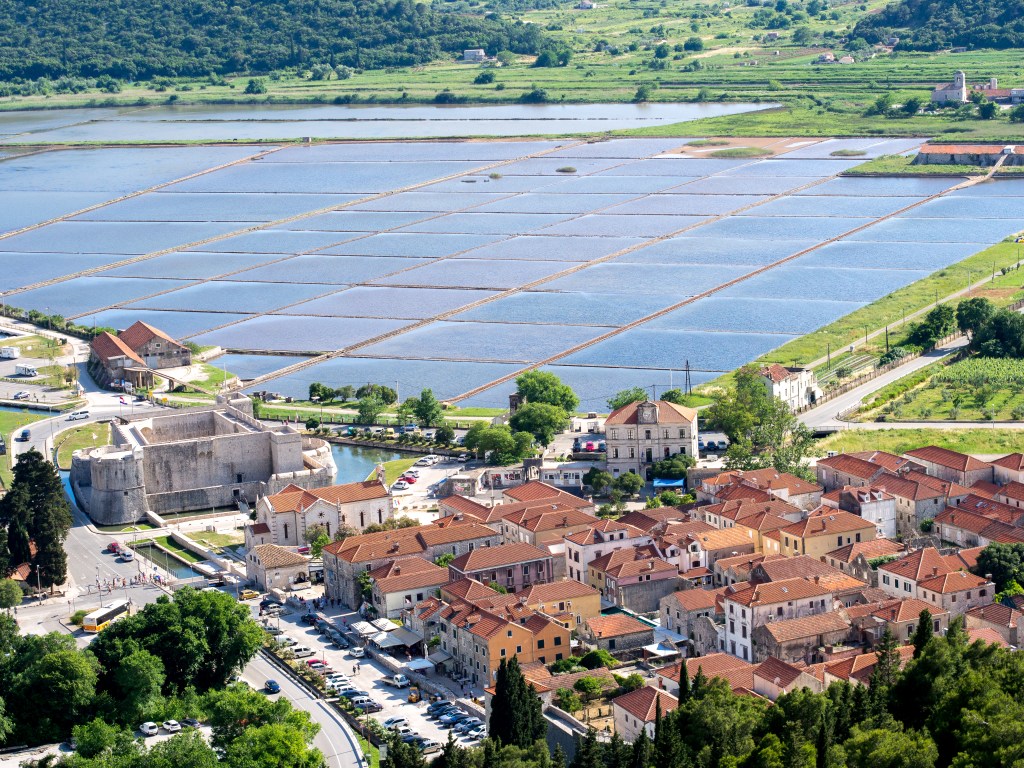
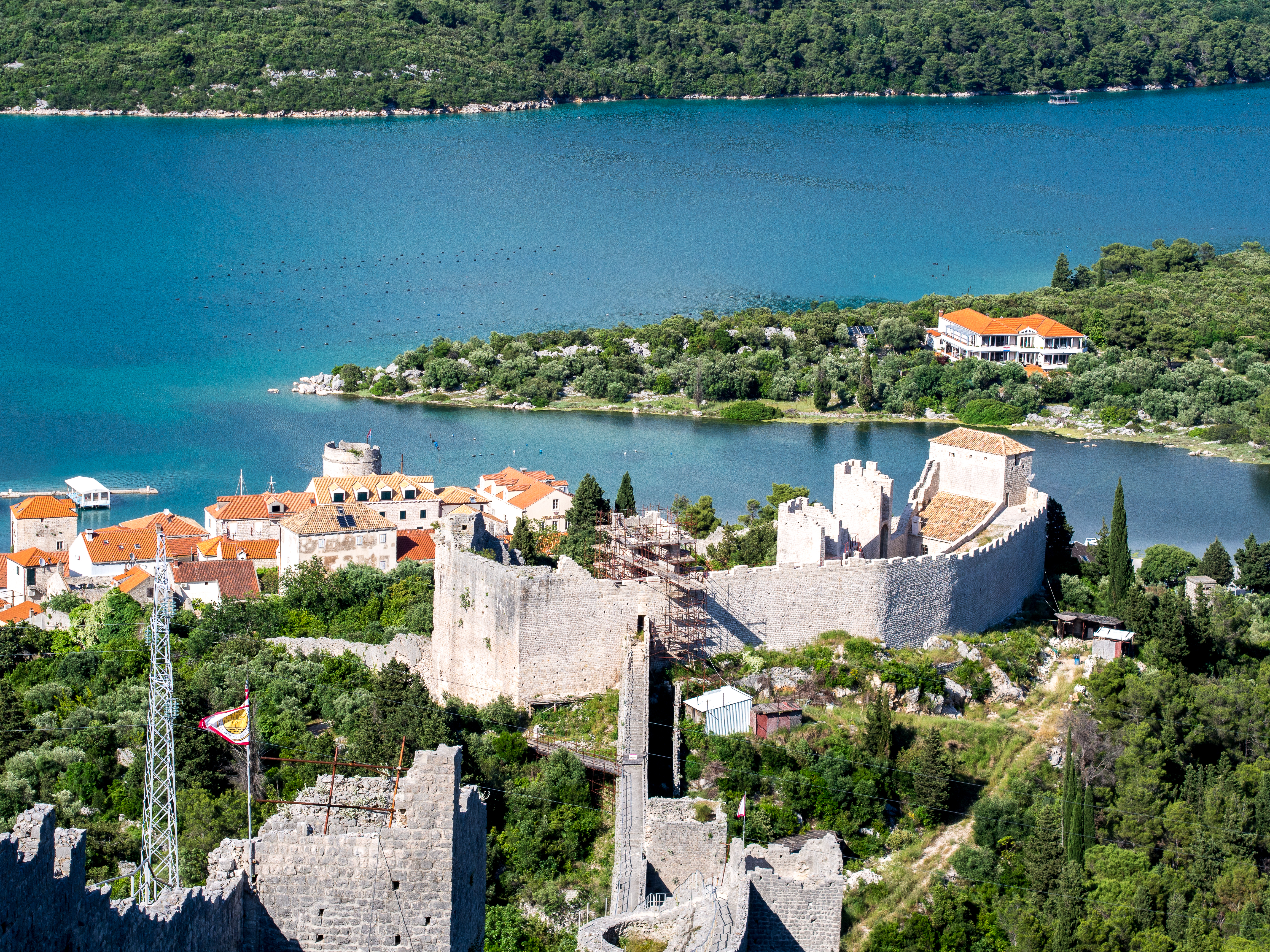
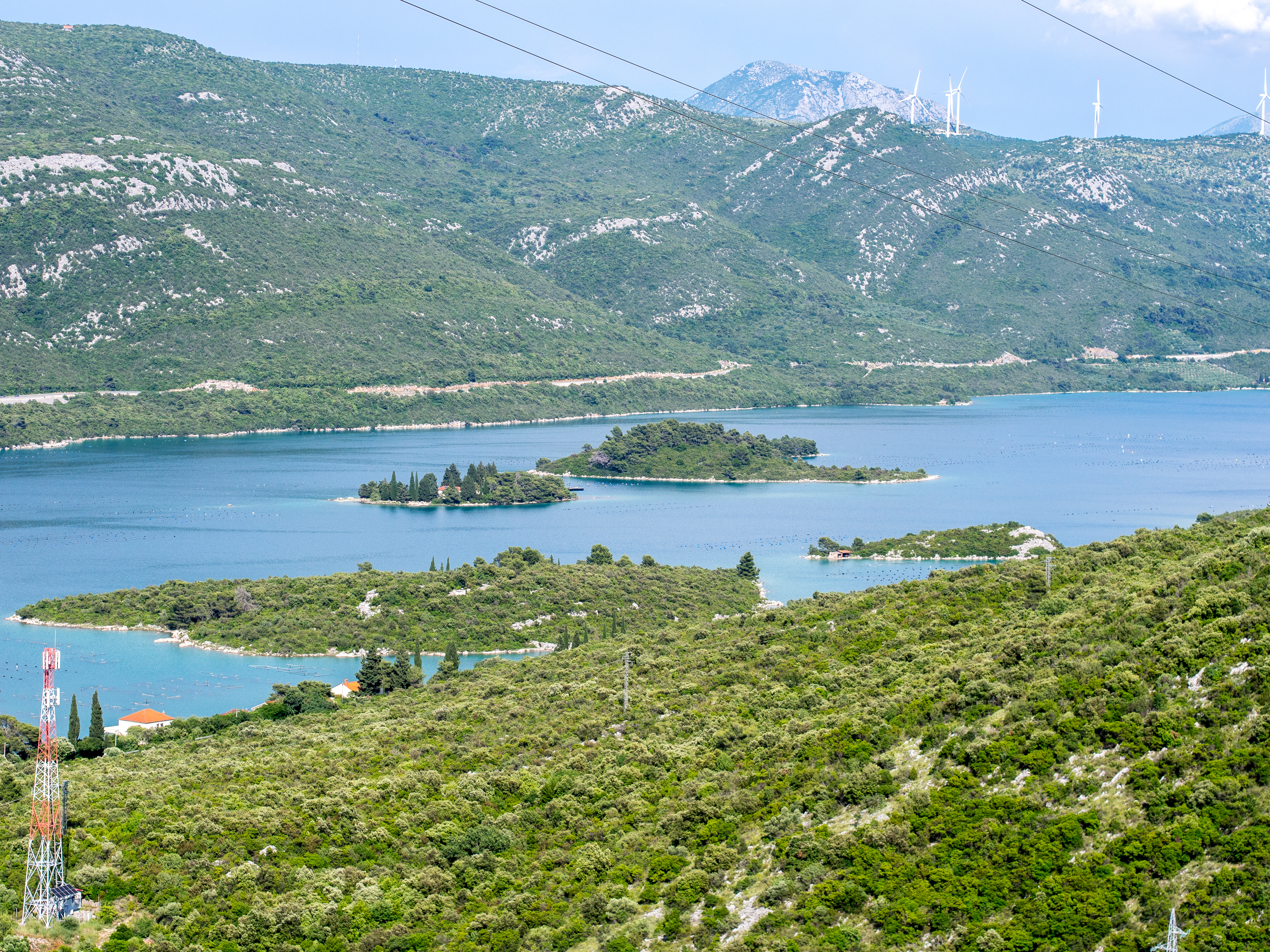
From Mali Ston to Ston, it was only a 1.6km walk via the paved road and then we were back in the car, on the road again to Dubrovnik (drive: 1 hour).
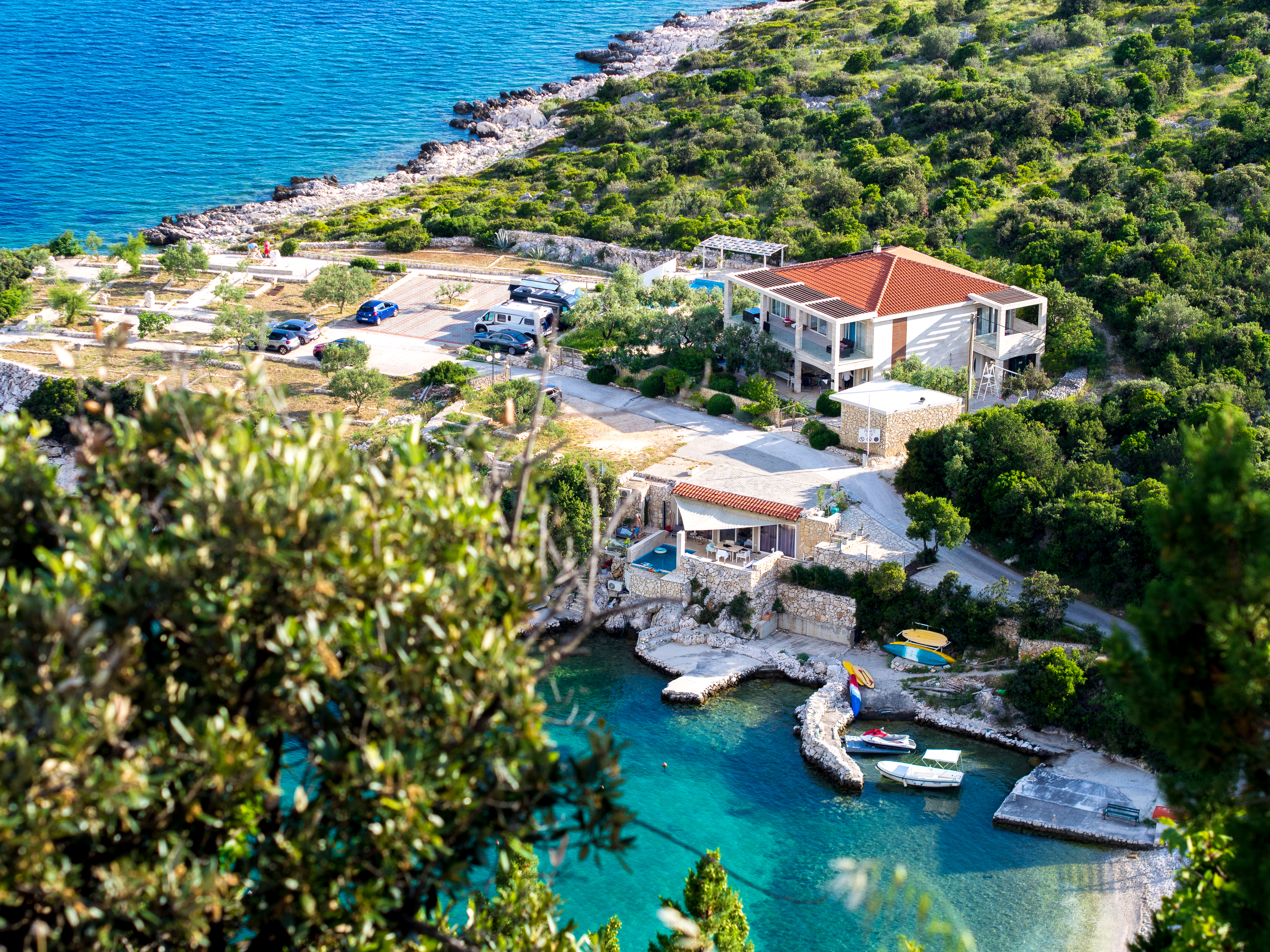
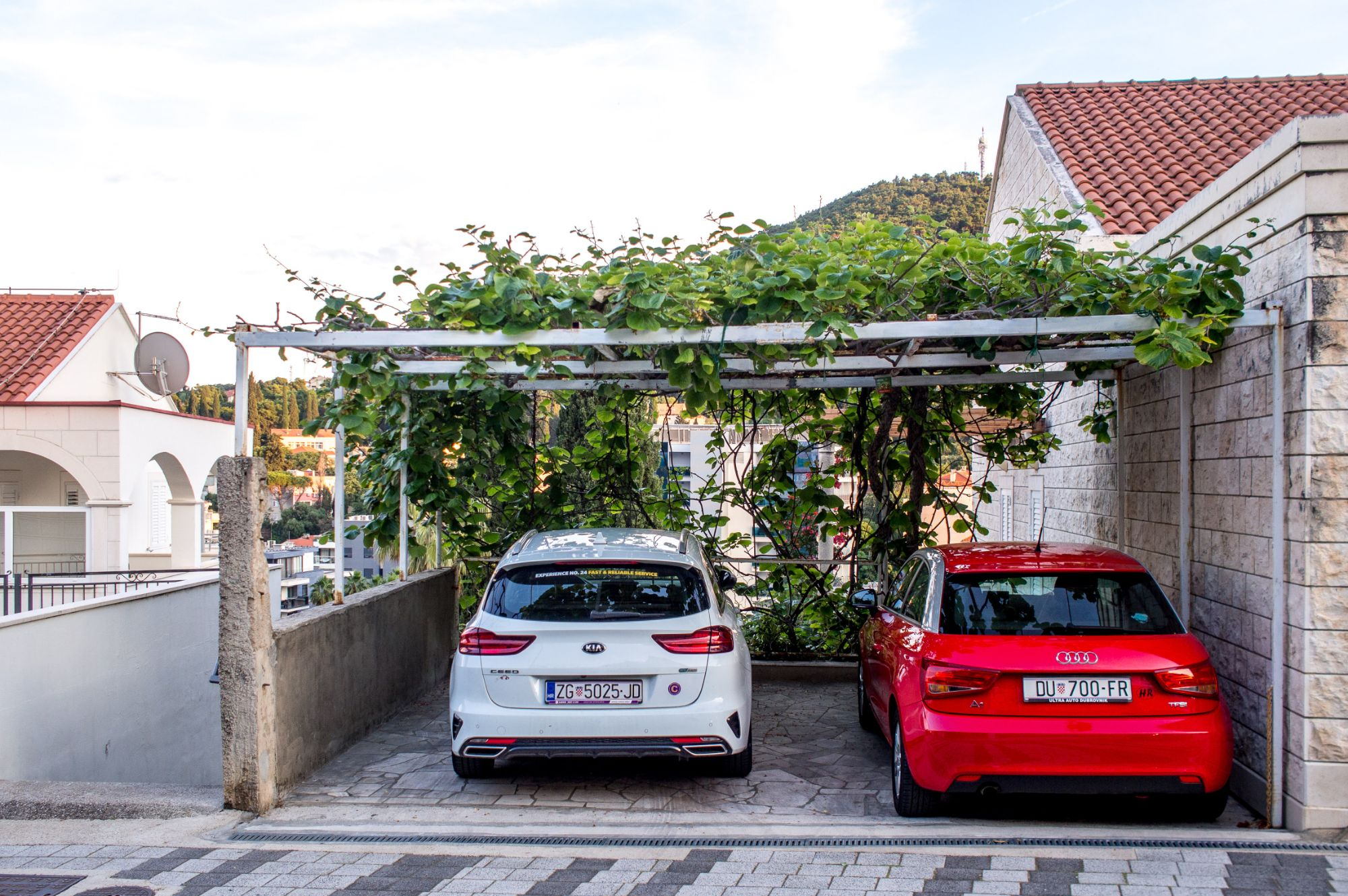
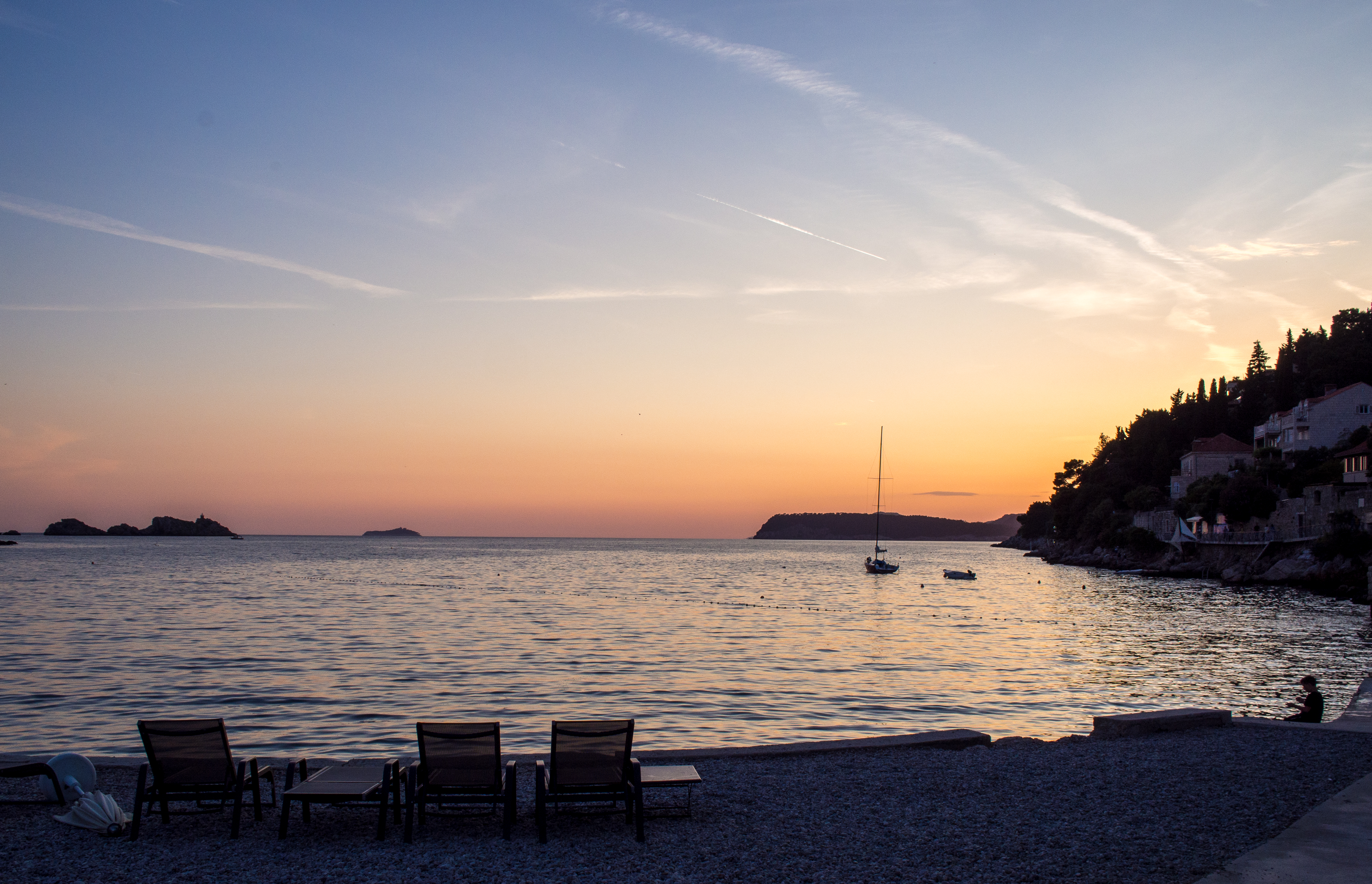
We reached Dubrovnik just in time to check into our Airbnb apartment, grab a drink at the Sunset Beach Bar and watch the sky change hue.

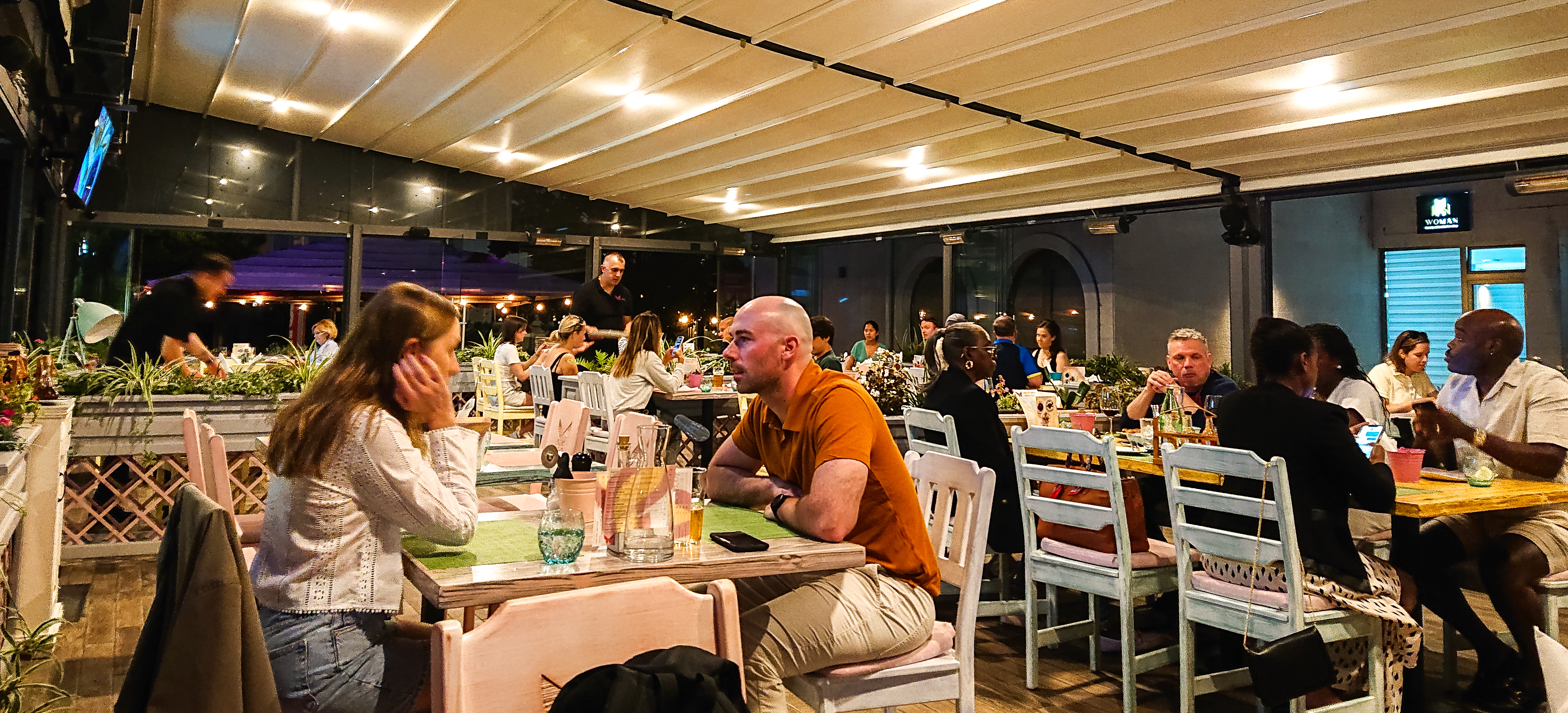
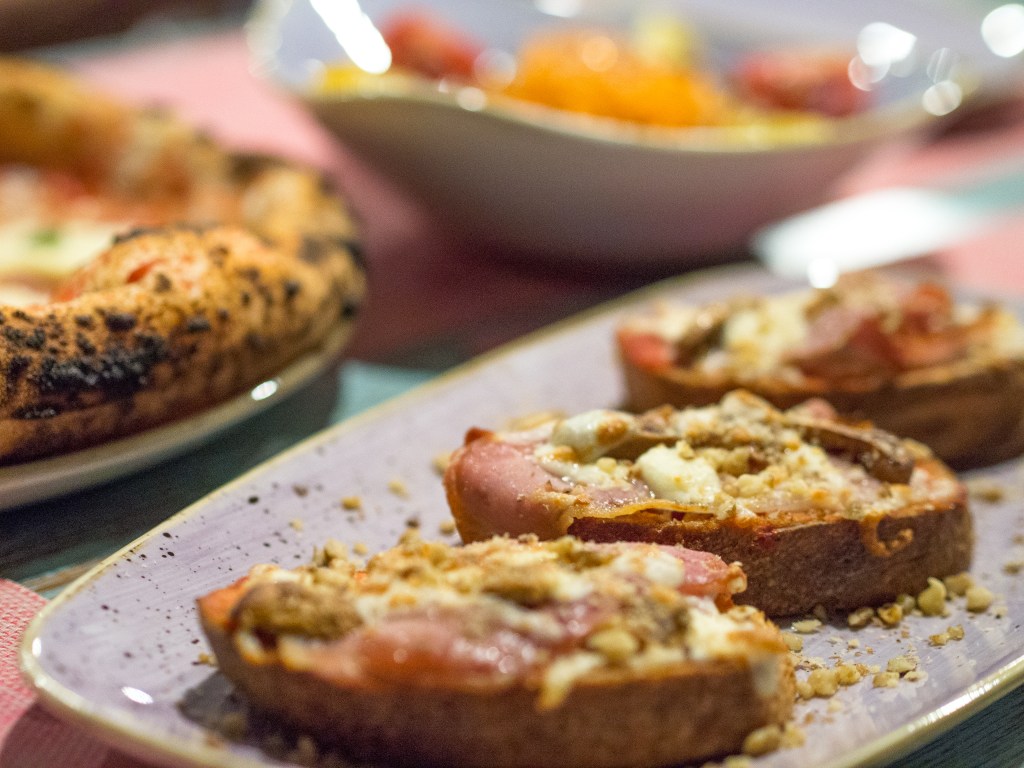
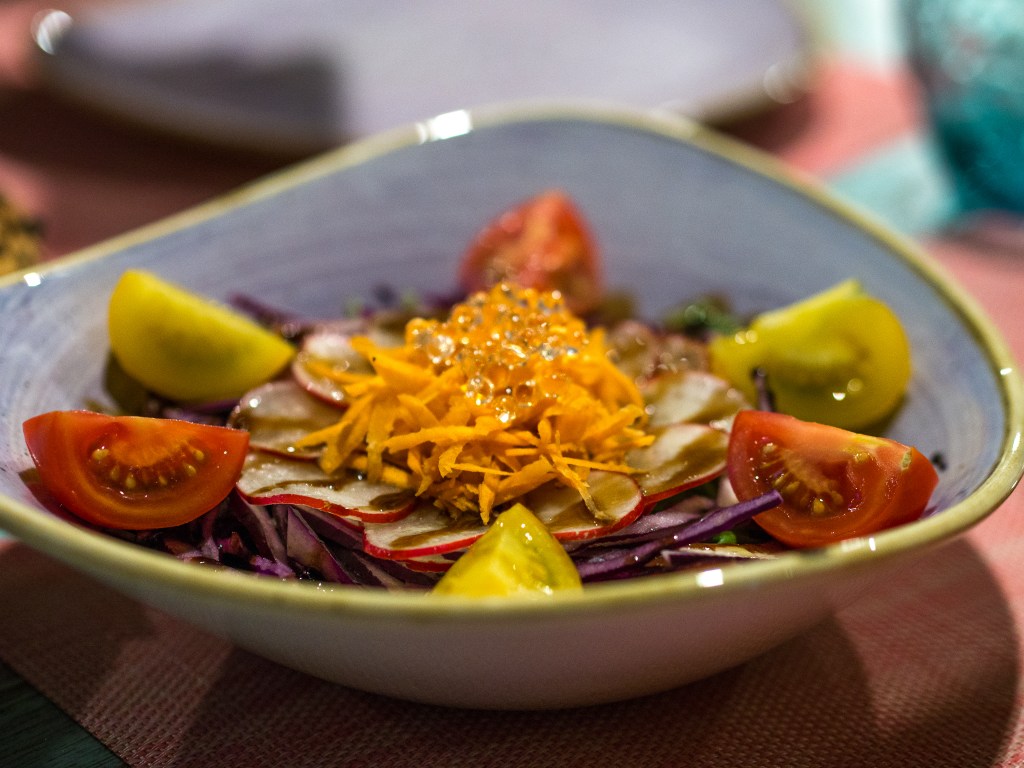
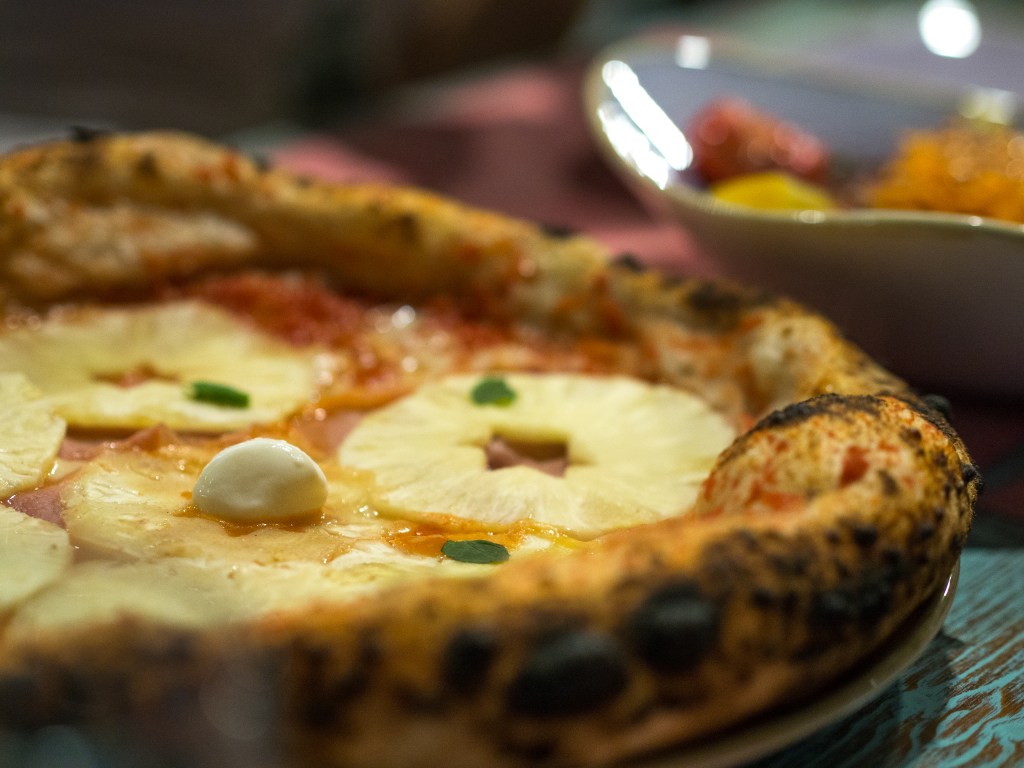
Not having reserved a dinner place, we randomly walked into the brightly-lit Pizzeria Papillon for dinner. We had low expectations from a pink-themed pizzeria yet it blew our minds away with every dish ordered: the Ravanello (assorted vegetables, pomegranate, aceto balsamico beads), the Fico secco (assorted smoked cheese on bread, dried figs, walnuts) and the Ananas pizza (napoletana pizza topped with pineapple slices) – they were all fantastic.
Pizzeria Papillon used to be located up the steps from Ul. Kralja Tomislava (main road) but has since moved to a new location nearby ie Ul. Mata Vodopica.
Distance driven: 240km
Food: Pizzeria Papillon, Pantarul
Next: Dubrovnik, or the ‘jewel of the Adriatic’.
Visited 1 June 2023
 the last word
1 reply »