
A Beautiful Island
Hvar (pronounced hua-rd) has collected numerous accolades over the years, here are the more recent ones: 3rd best island in Europe in 2024, 7th in the world, Europe’s most beautiful island in 2019.
Roughly 60 minutes away from Split by ferry, it is easy to see why Hvar beguiles: good weather, picturesque old towns and pristine swimmable coasts.
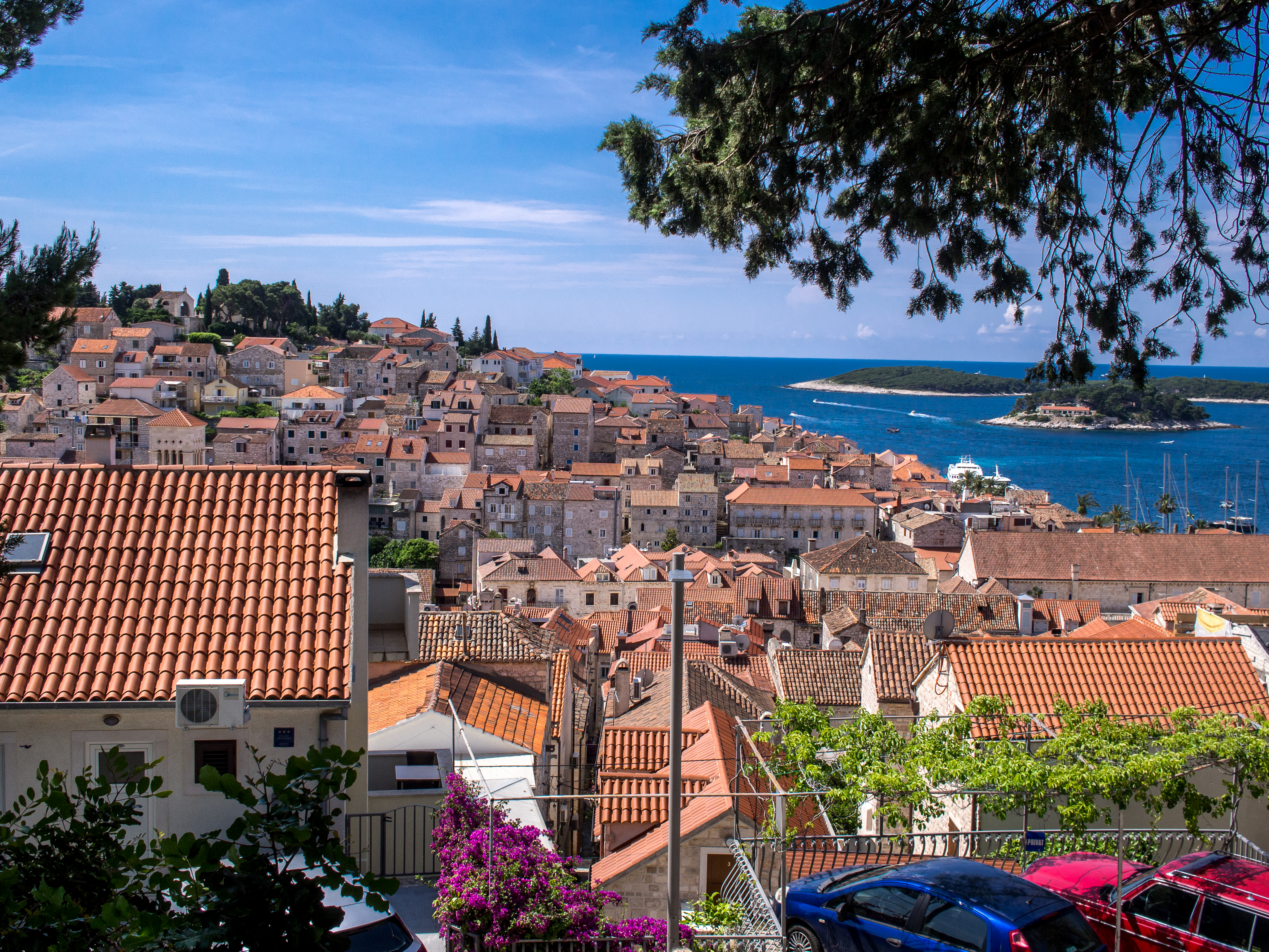
Hvar Town, the ‘capital’ is a manicured old town just next to the busy jetty lined with flashy sailboats and yachts; the light hue of the sandstone buildings provides a good contrast to the sparkling blue of the Adriatic sea.
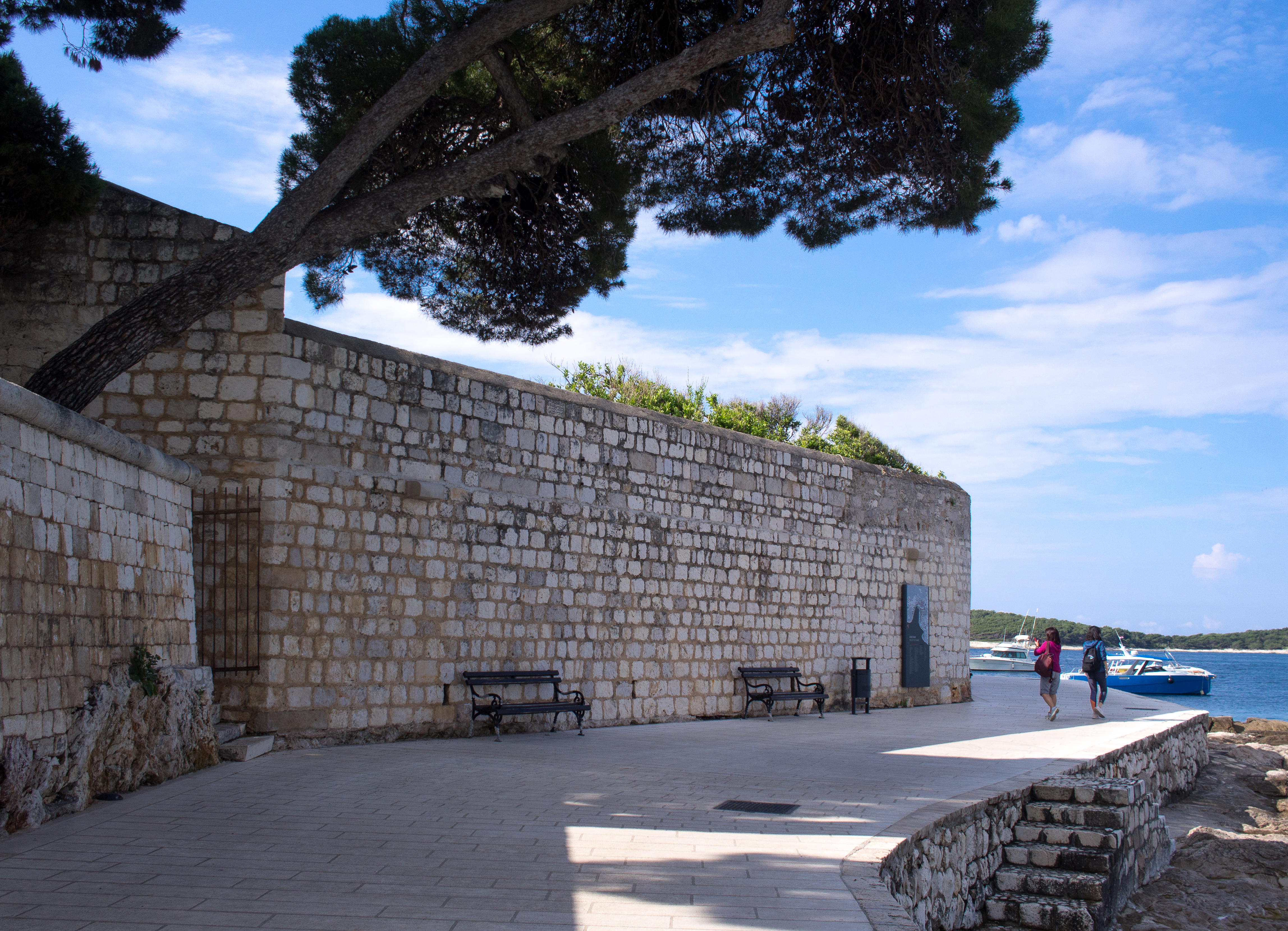
Take a short climb up Hvar town to get to the Fortica Fortress; slightly further away there is the Napolean fortress. Both offer superb panoramic views of the town. To the south, travel east along the coast to get to the hidden bays and coves with turquoise waters perfect for swimming in. The best swimming spots are plotted out here.
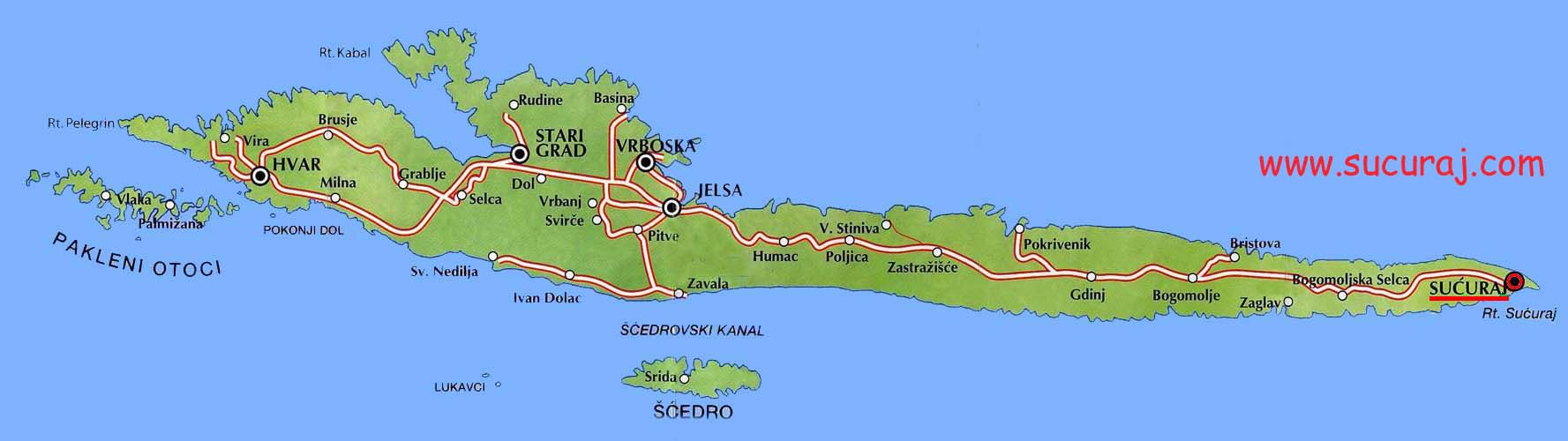
Visit Brusje, Grablje, Velo Grablje for the lavender fields (from late June to July). In fact, look out for lavender along the road from Hvar to Stari Grad when its in season. Visit Stari Grad (circa 384 BC), the oldest settlement in Europe, and Stari Grad Plains, a well-preserved agricultural land plot 1.5km east, designed by the Greeks in 4th century BC.
Sign up for a wine-tasting tour, explore abandoned villages in Malo Grablje and Humac, visit the villages in Vrboska, Milna, Sveta Nedjelja, or Sućuraj or do sailing tours to the Pakleni islands. If there’s still time to kill, do Biševo to see the Blue Cave and visit Vis.
Day 5 (31/5) – Hvar
Our one-day plan for Hvar was unambitious: start early, have an idyllic breakfast at a good joint, explore Hvar Town, visit the Fortica Fortress.
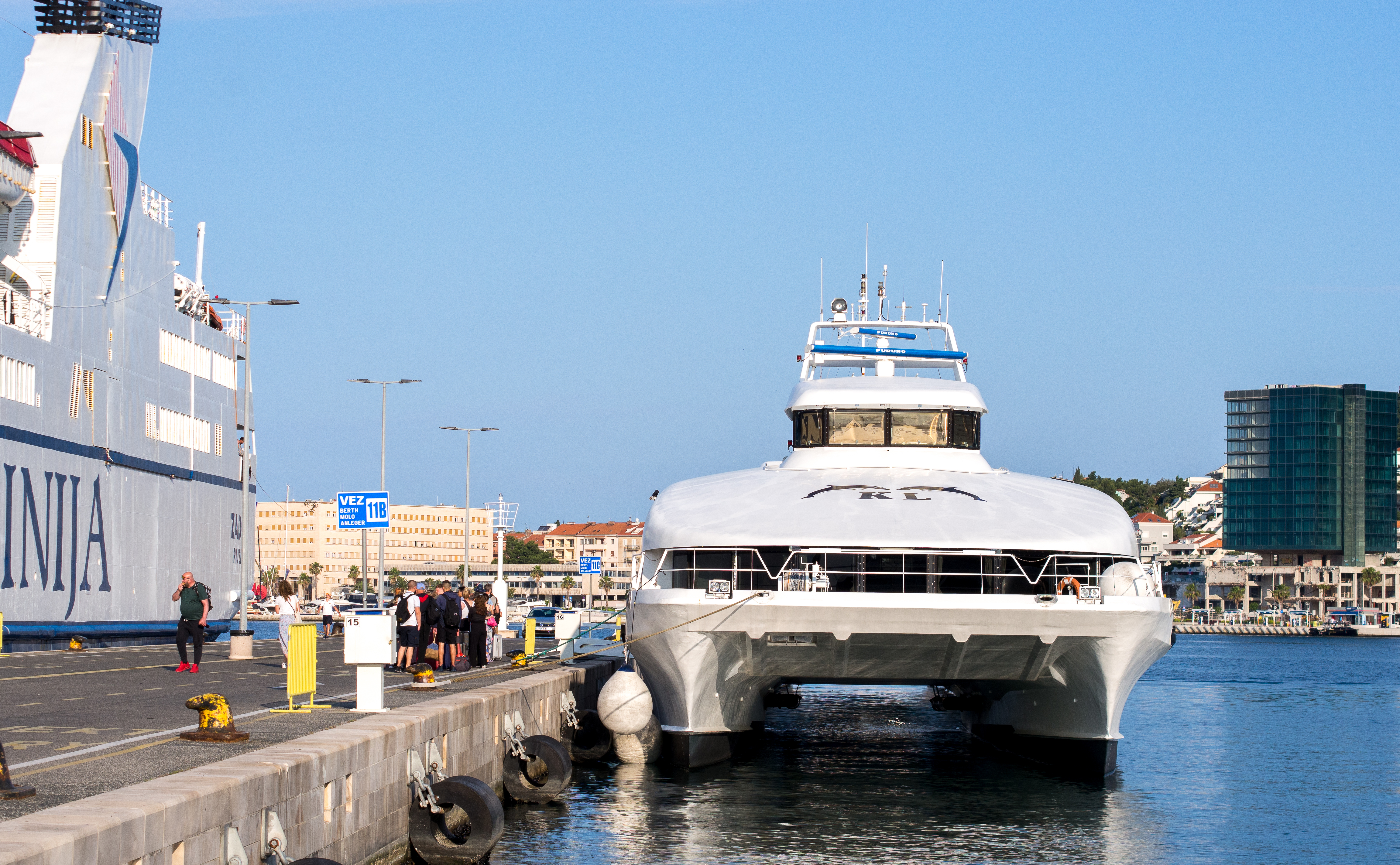
We took the earliest catamaran (730am) to Hvar from the Gat Sv Petra Pier (€20/pax per trip). We had our eye on Eywa Hvar Restaurant & Bar for breakfast but was told it only served drinks so we popped into IL Porto next door. Food was very average. First checkbox – ticked.

The old town is small and great for an intimate, casual exploration.
Start from St. Stephen’s square, take the steps up one of the narrow alleys to the top of the town (there are signages), cross the road that separates the town from Fortica Fortress territory and look for a black-grilled metal gate – that’s the entrance to the Fortress (also known as Tvrđava Fortica or Spanish Fortress).
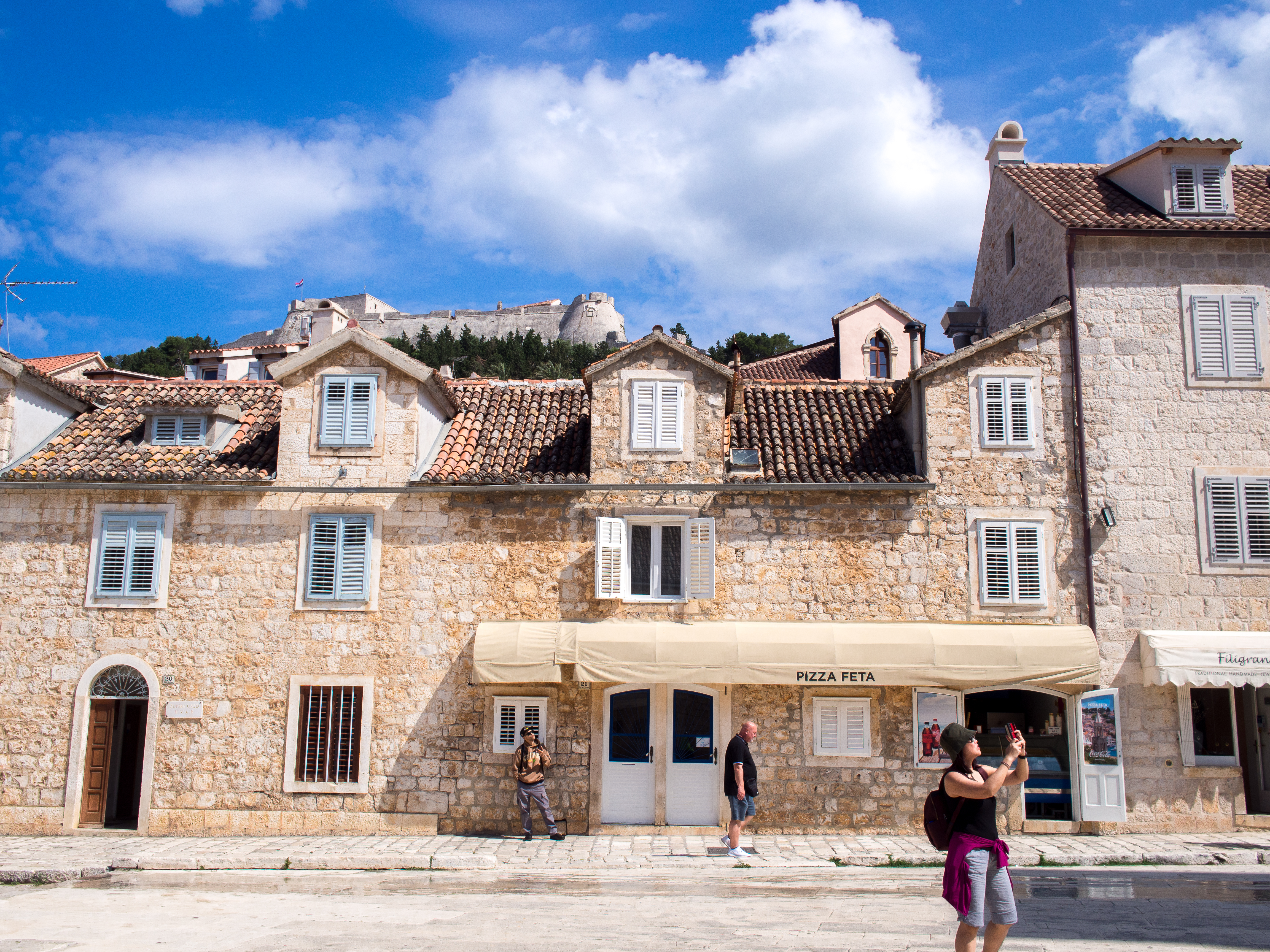
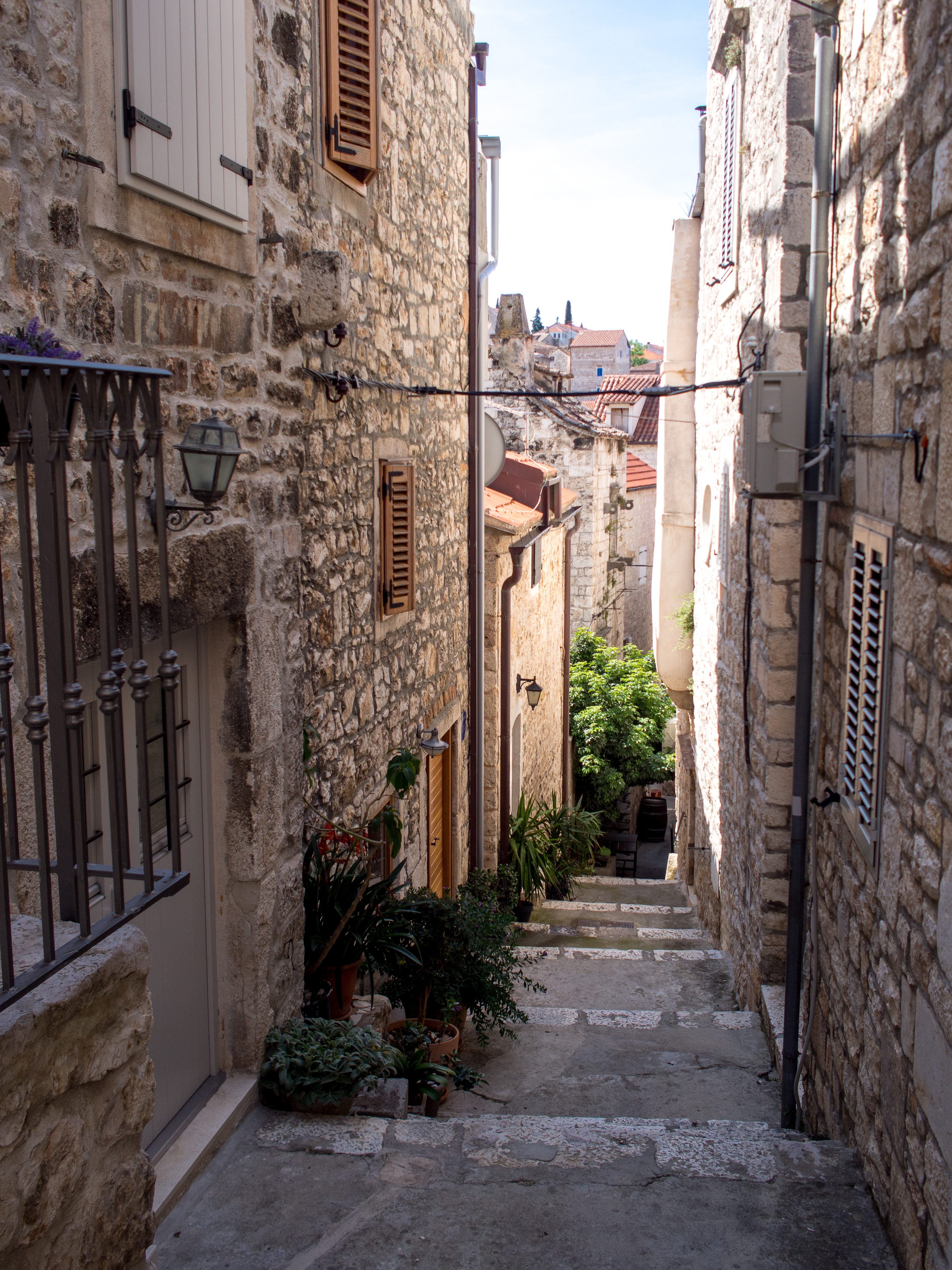

A wide cobbled pathway leads from this gate to the fortress. From here, it is a short walk to the Fortress.
We took 40 minutes to walk from St Stephen’s square to the fortress, stopping to peep into some of the shops along the way or marvel at the architecture.
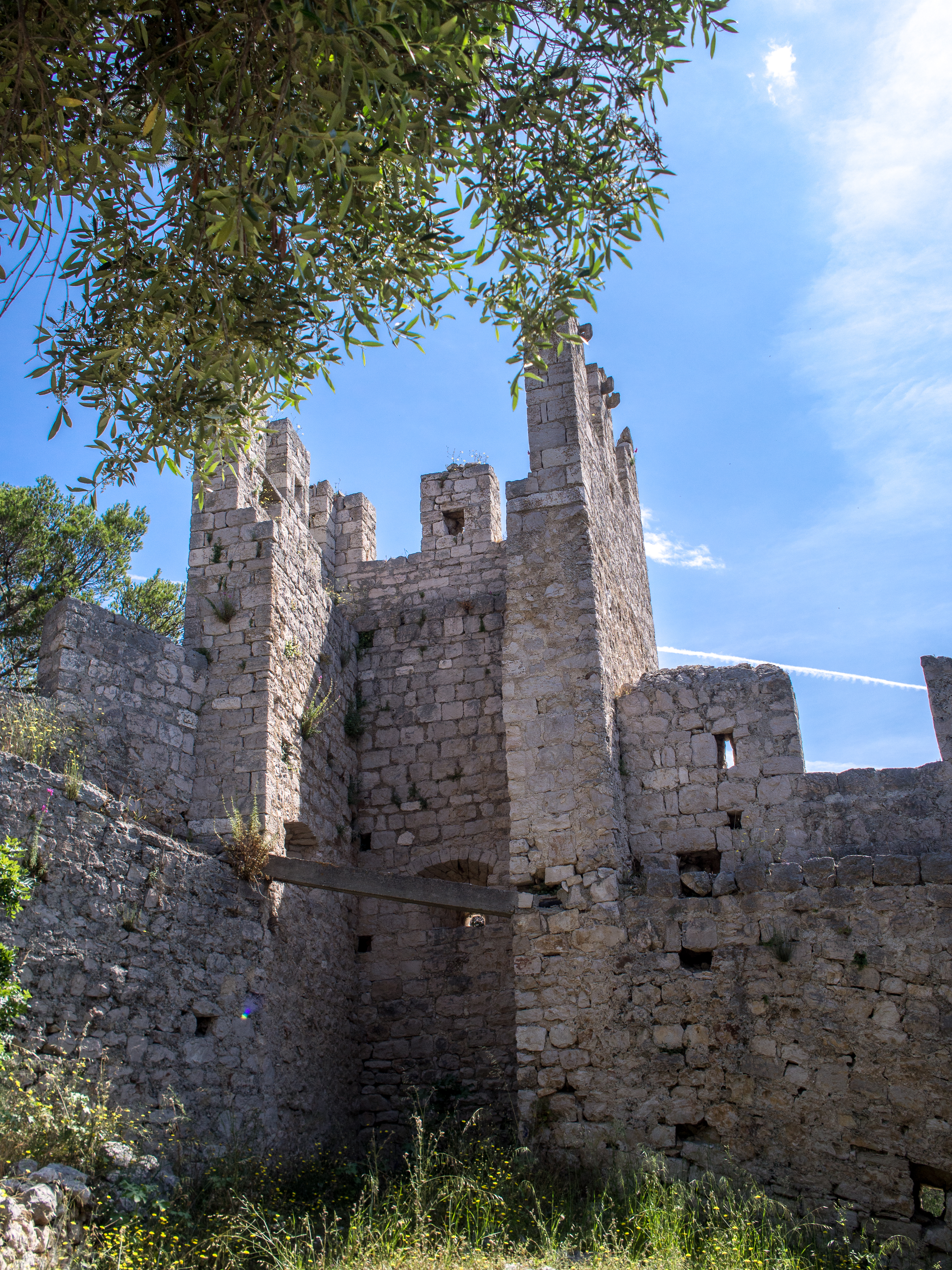
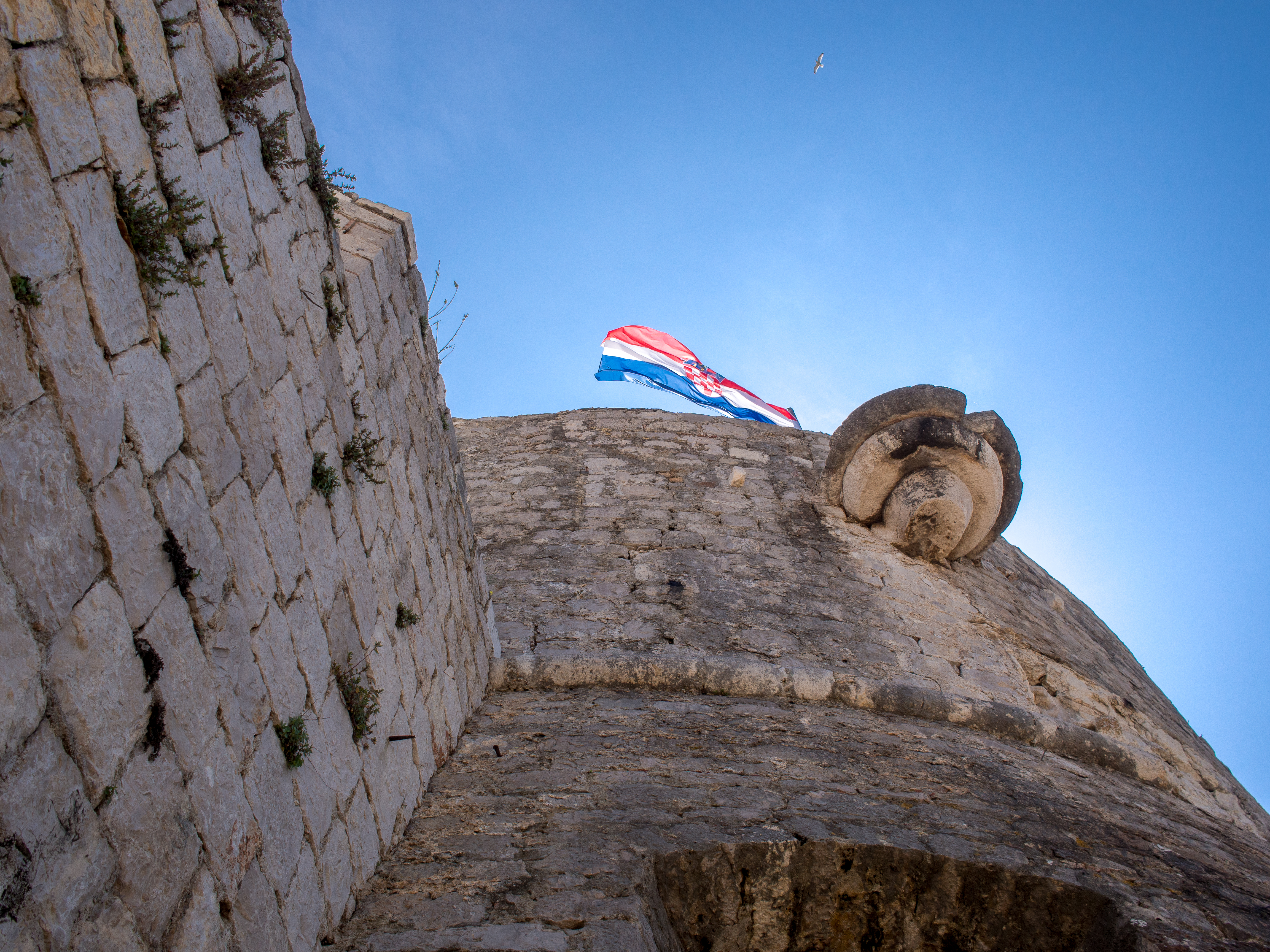
The view from the top of the fortress should have been pretty good but we baulked at paying €10/pax to enter.
It was still early so we decided to make a stab at the Napoleon fortress on the next hill instead. Built in 1812 by the French, it was used as an observation post and bastion.
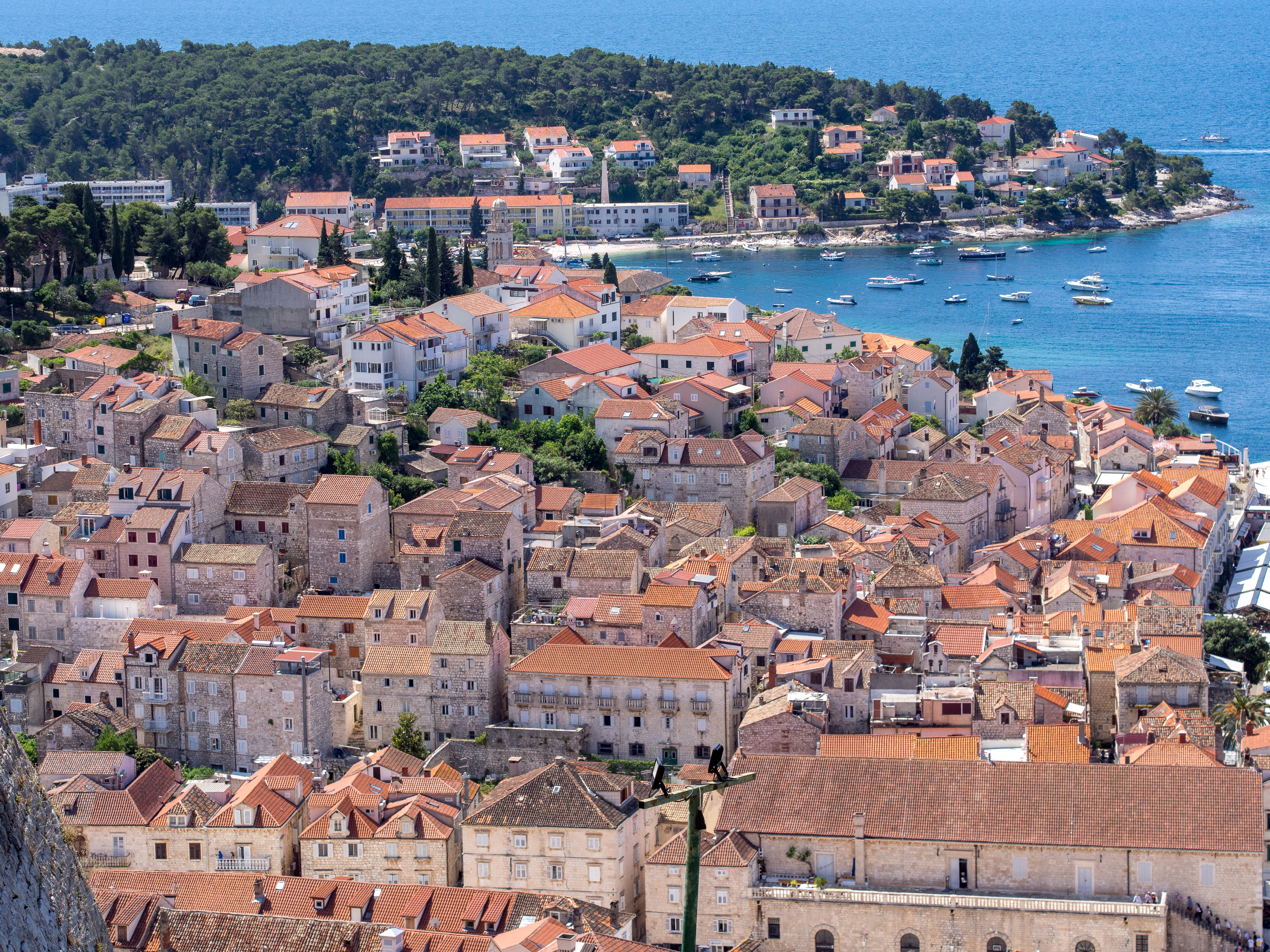
There’s no trail connecting the two hills; the only way is to walk down via the meandering vehicular road to the bottom of the other hill. The trail head, marked ‘Trailhead Napoleon Fortress’ in Googles map, is quite easy to find. There’s a sign and the well laid stones makes a clear, distinct path.
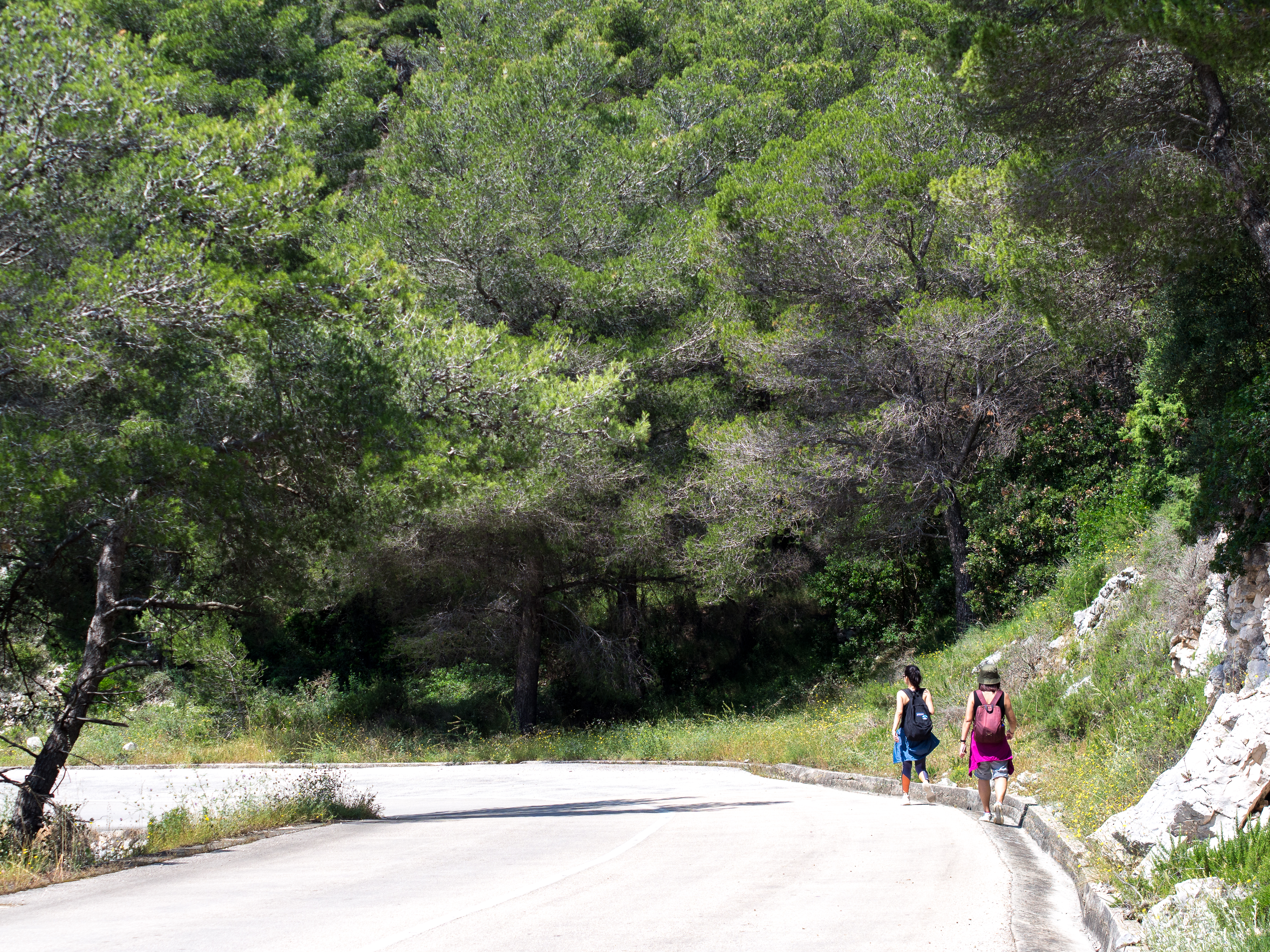
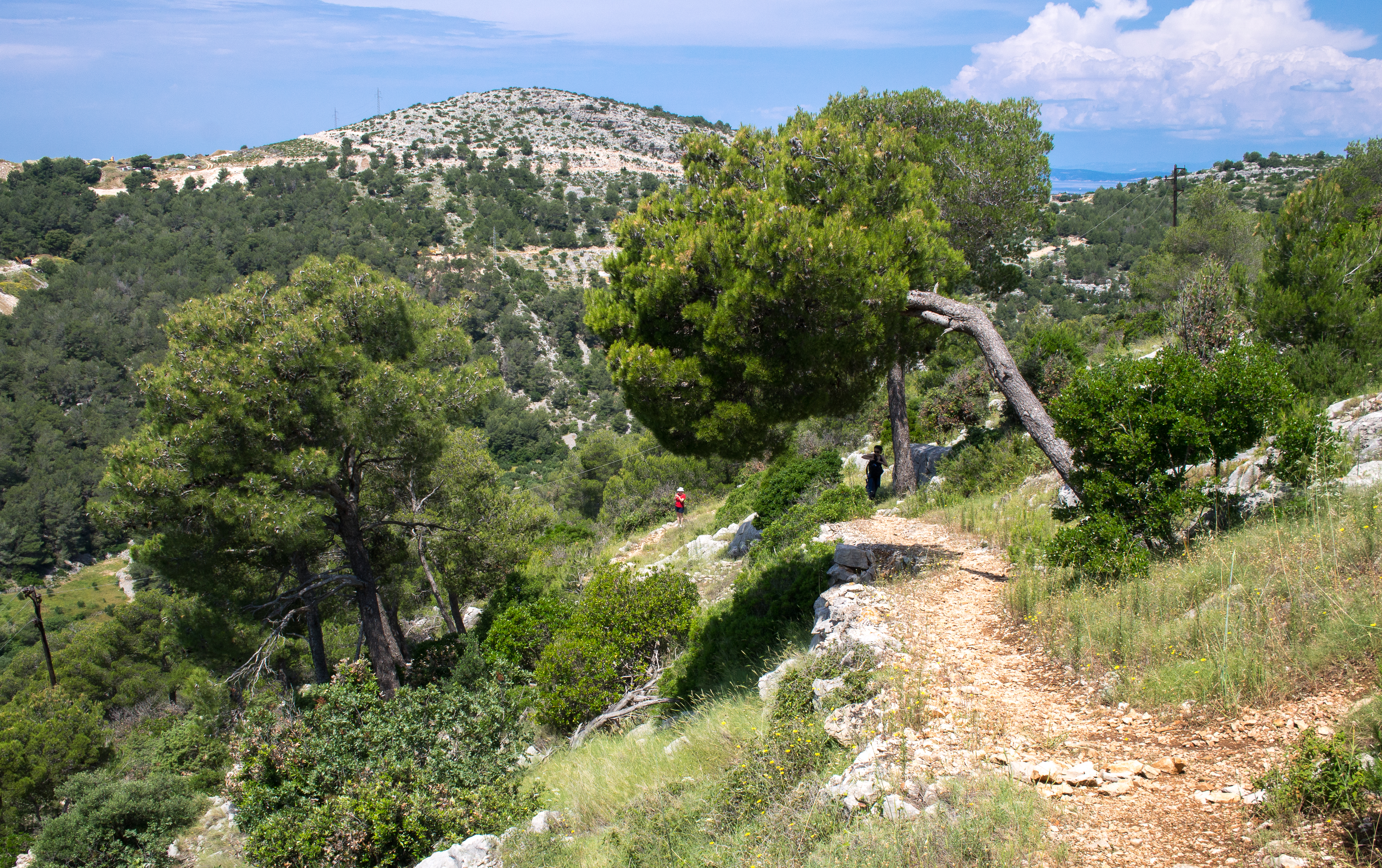
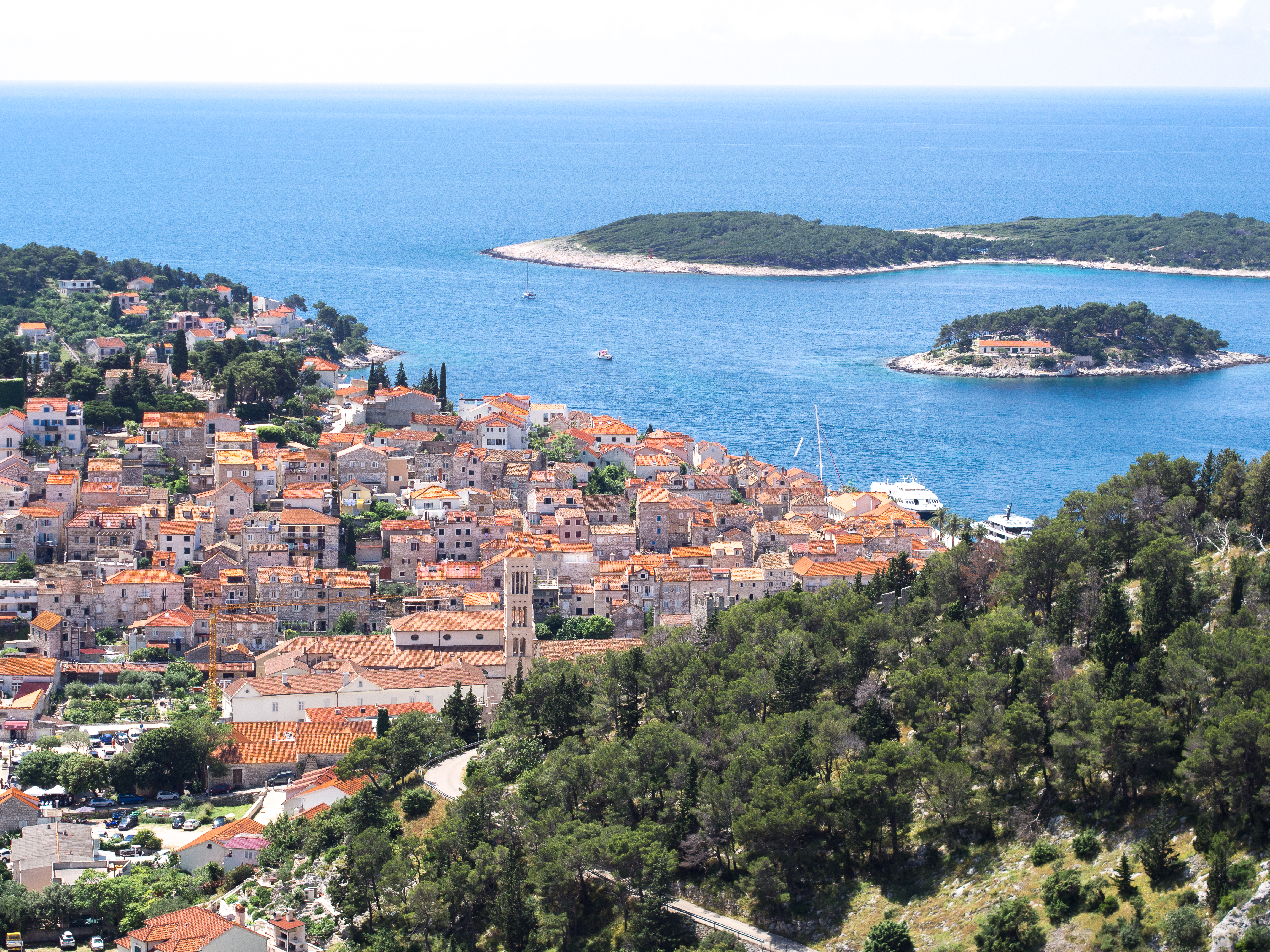
The climb up was not difficult but rather steep and mostly unshaded. We took 30-40 mins to reach the top (230m), beaten to pulp by the heat and thirst. Otherwise, the view was fabulous and worth the effort; the town, Fortica and the Pakleni islands were beautifully laid out beneath us.
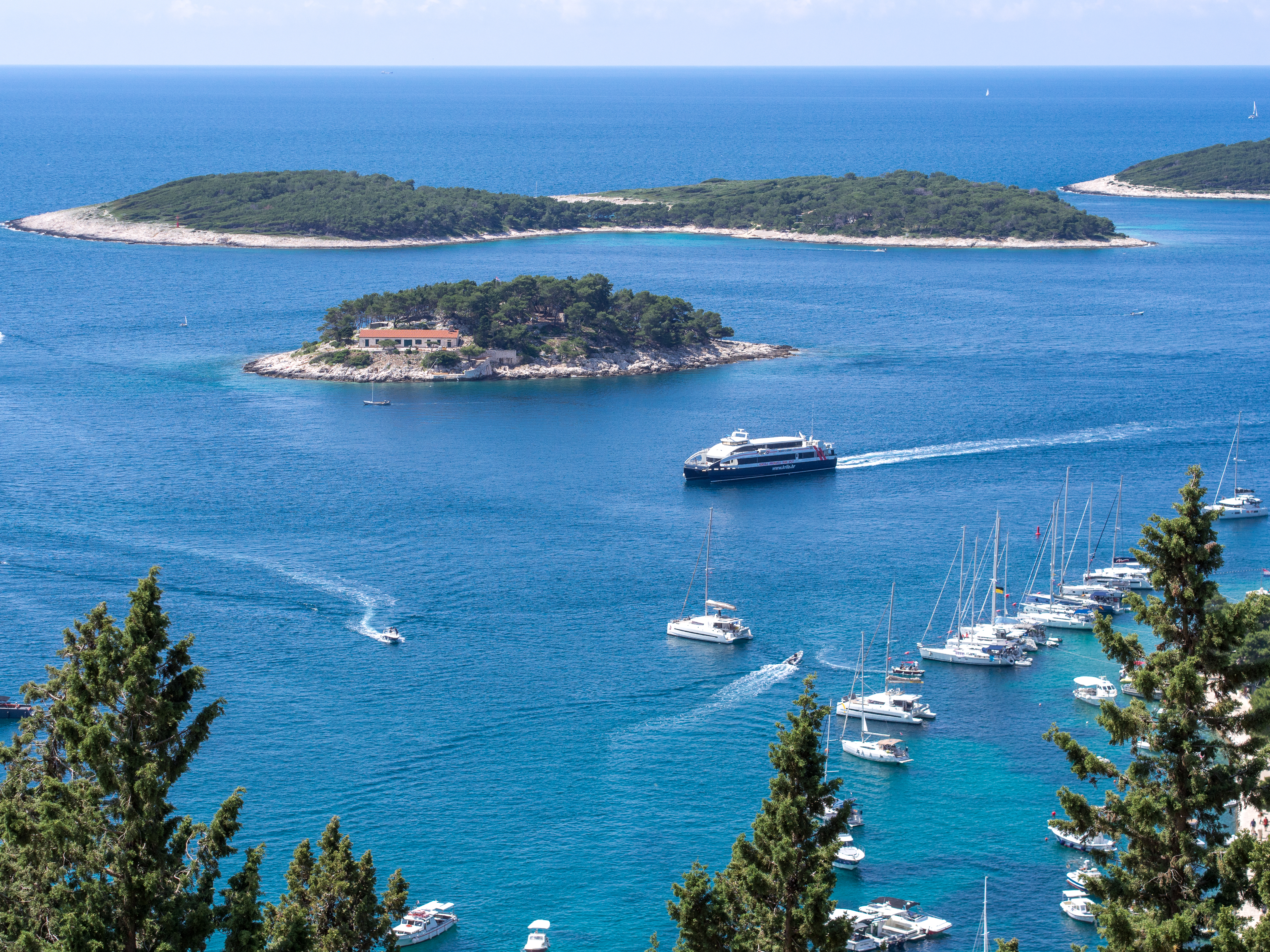
The islands reminded me of one of my favourite animation films Porco Rosso, which was about the adventures of an ex-WWI ace pilot who’d retired to this part of the Dalmatian coast.
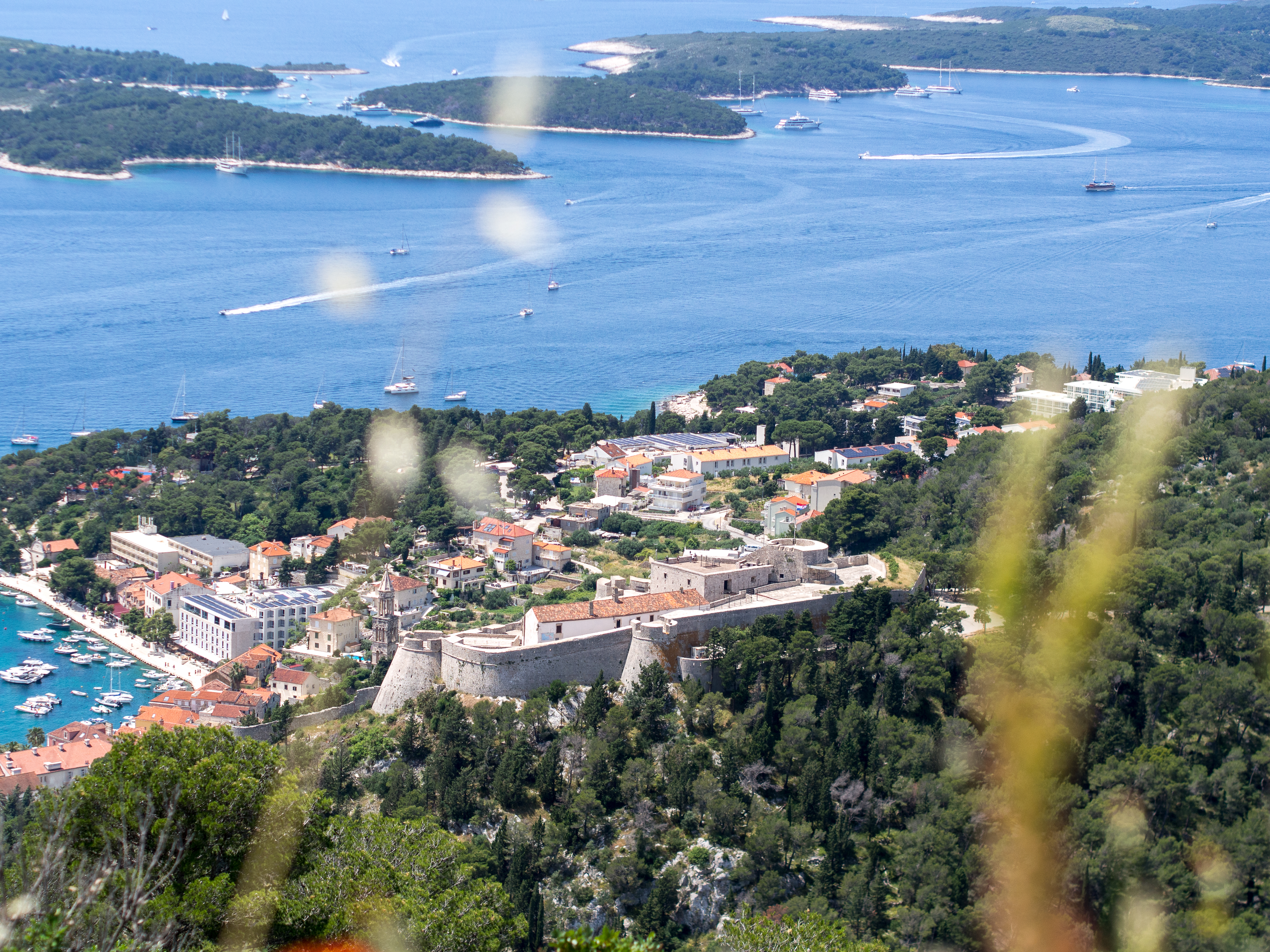
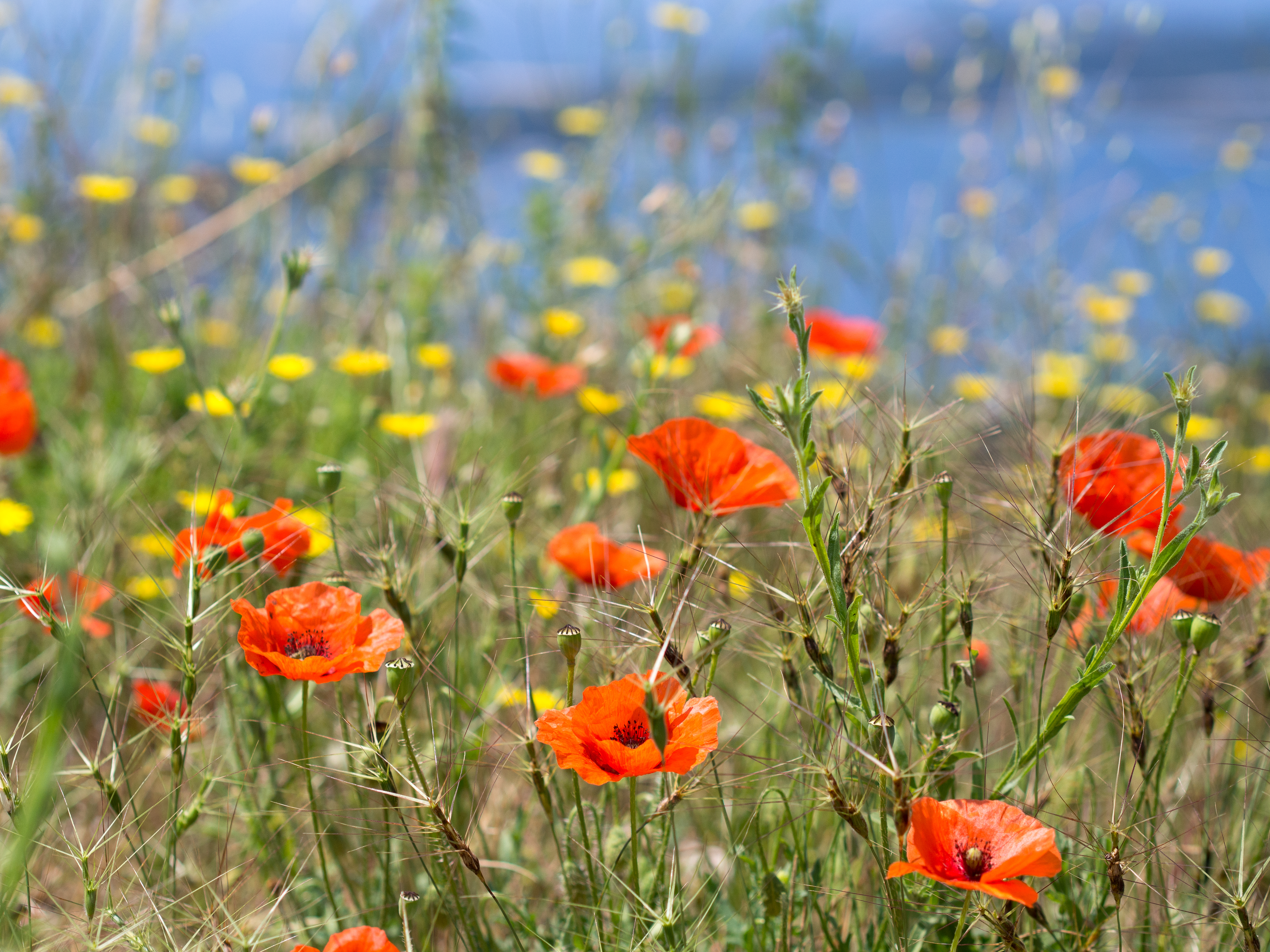
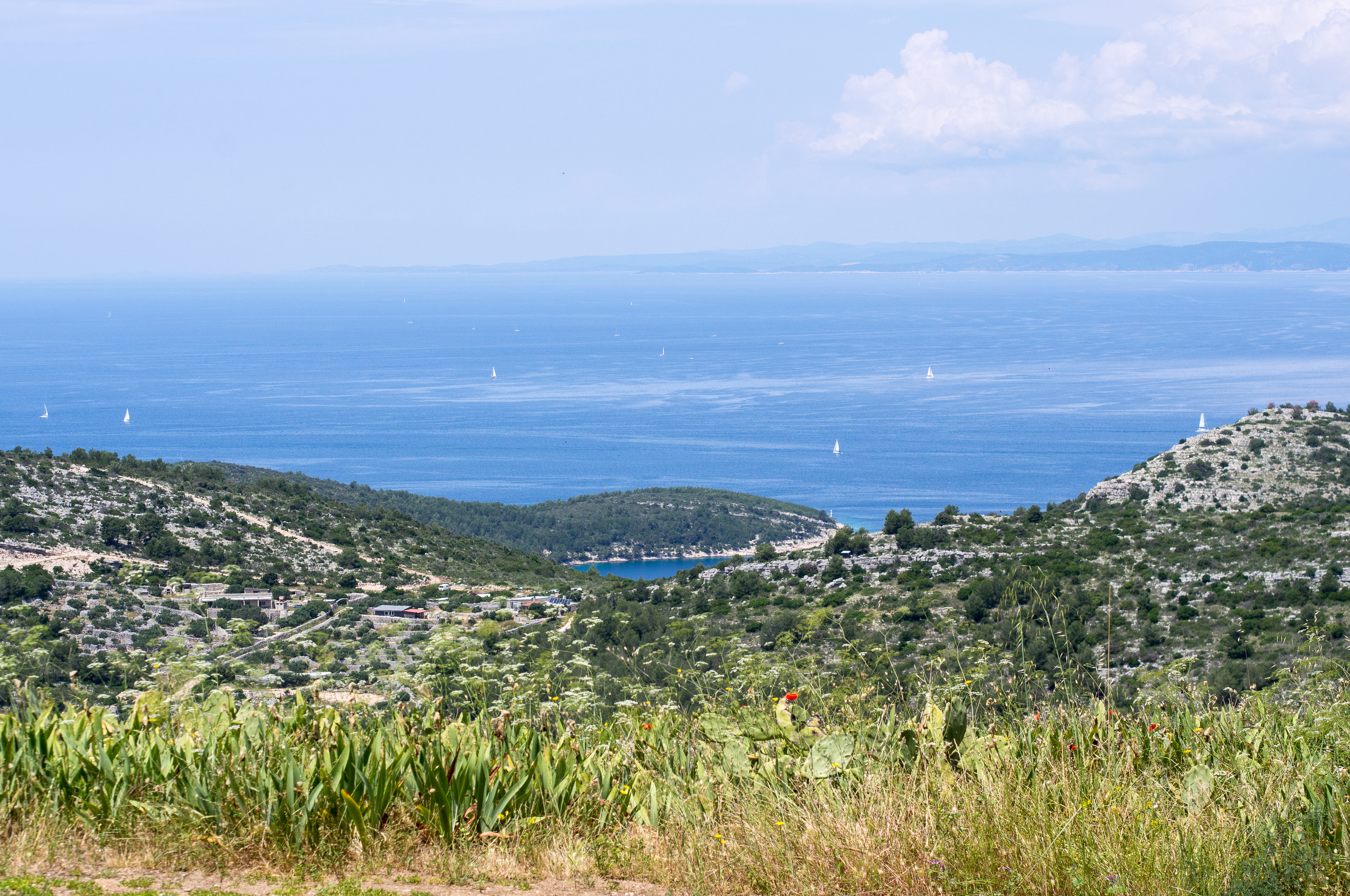
We tried to get an uber to Stari Grad but none responded so we were back on the trail, sauntering into town for a late lunch.

Lunch was at Dalmatino, a restaurant we’d earmarked earlier. The service, the food were both impeccable. We were particularly impressed by the wait staff – enthusiastic, knowledgeable and professional.
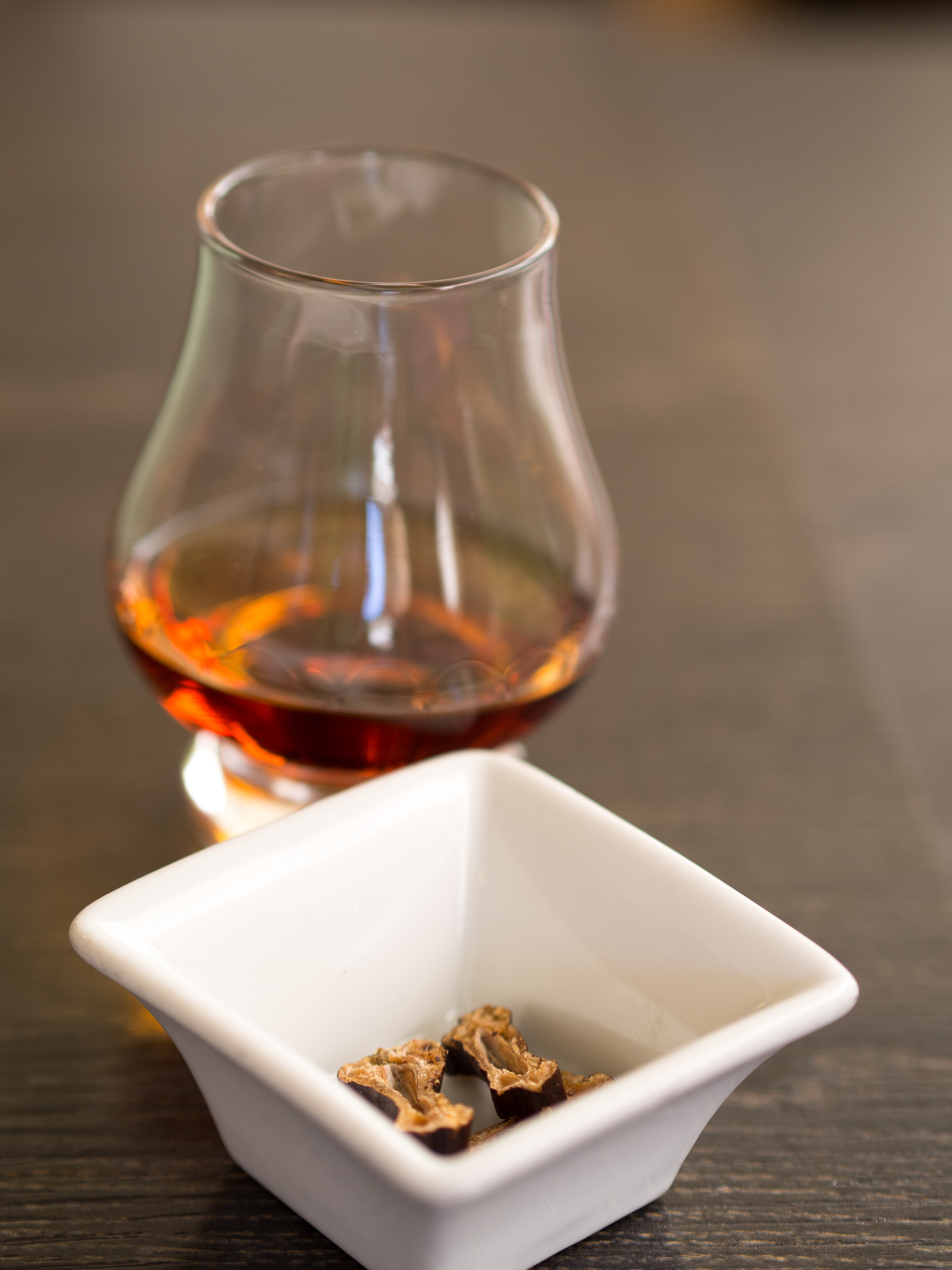
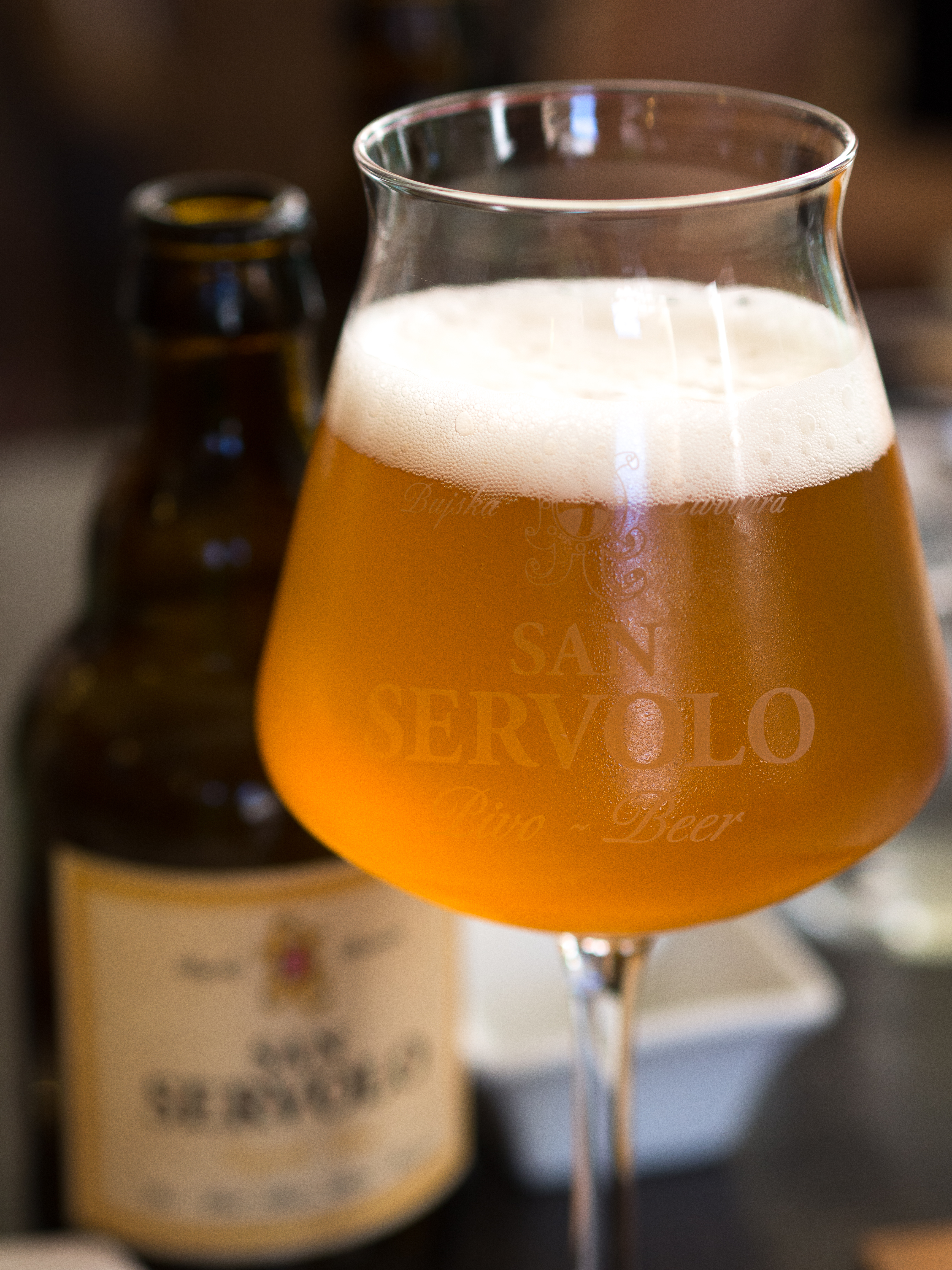
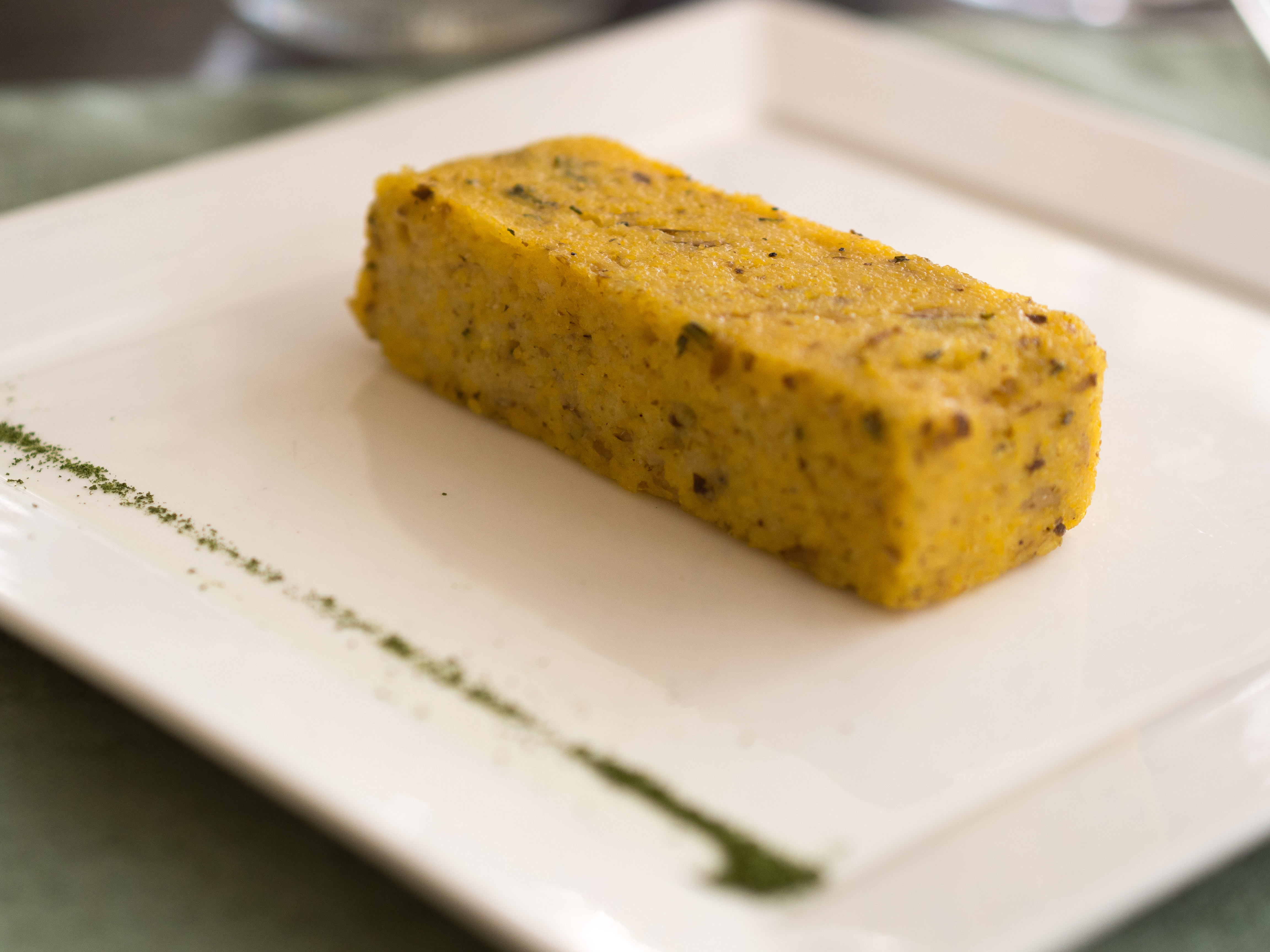
We started off with our preferred beverage – the Istrian-brewed San Servolo beer, followed by a suite of complimentary starters – Rakija (a local brandy) accompanied by dried dates and a delicious polenta starter.
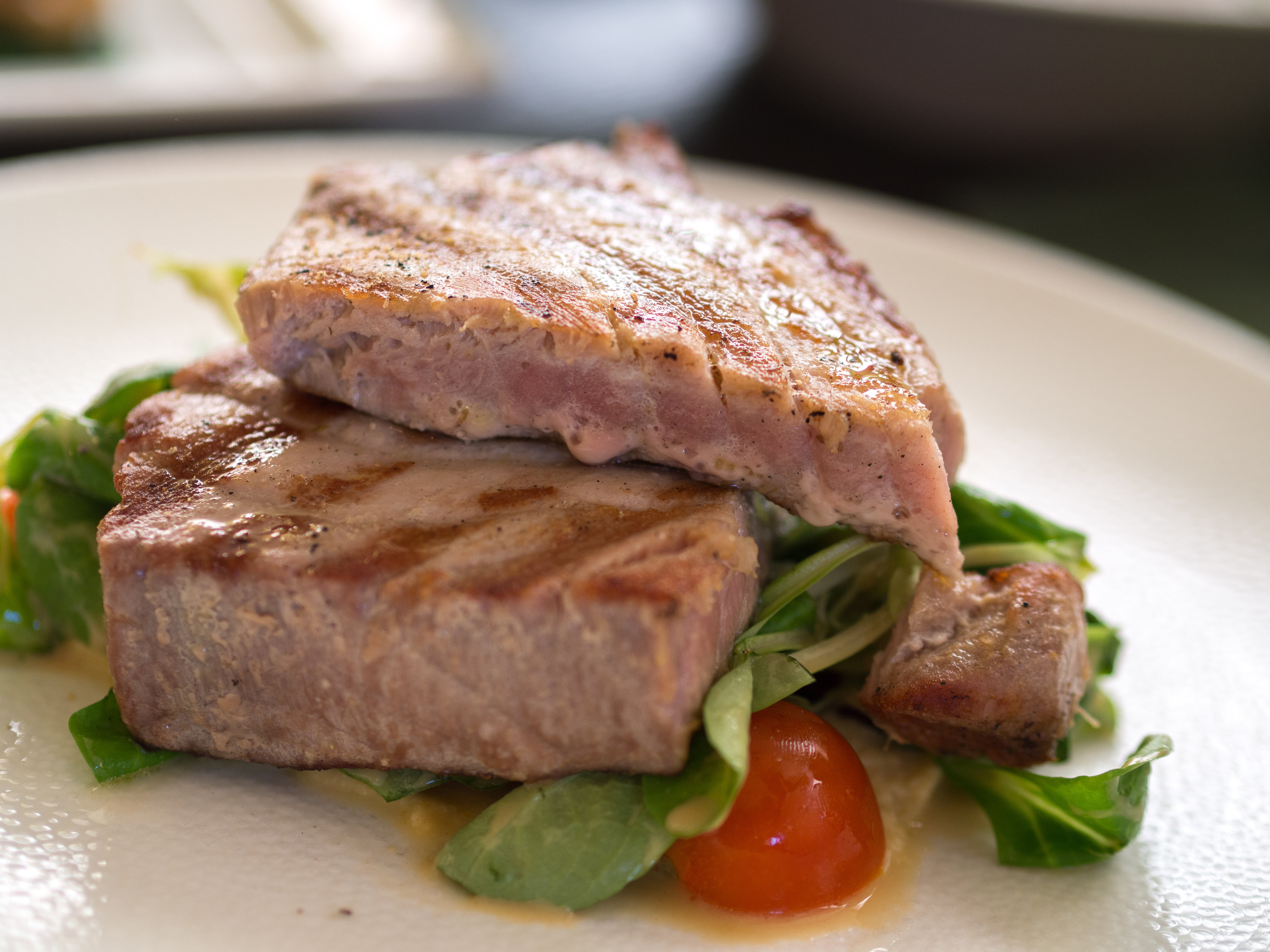
For mains, we ordered the seared tuna steak, beef fillet with foie gras and the beef in red wine and gnocchi. Dessert was Granny’s homemade cake.
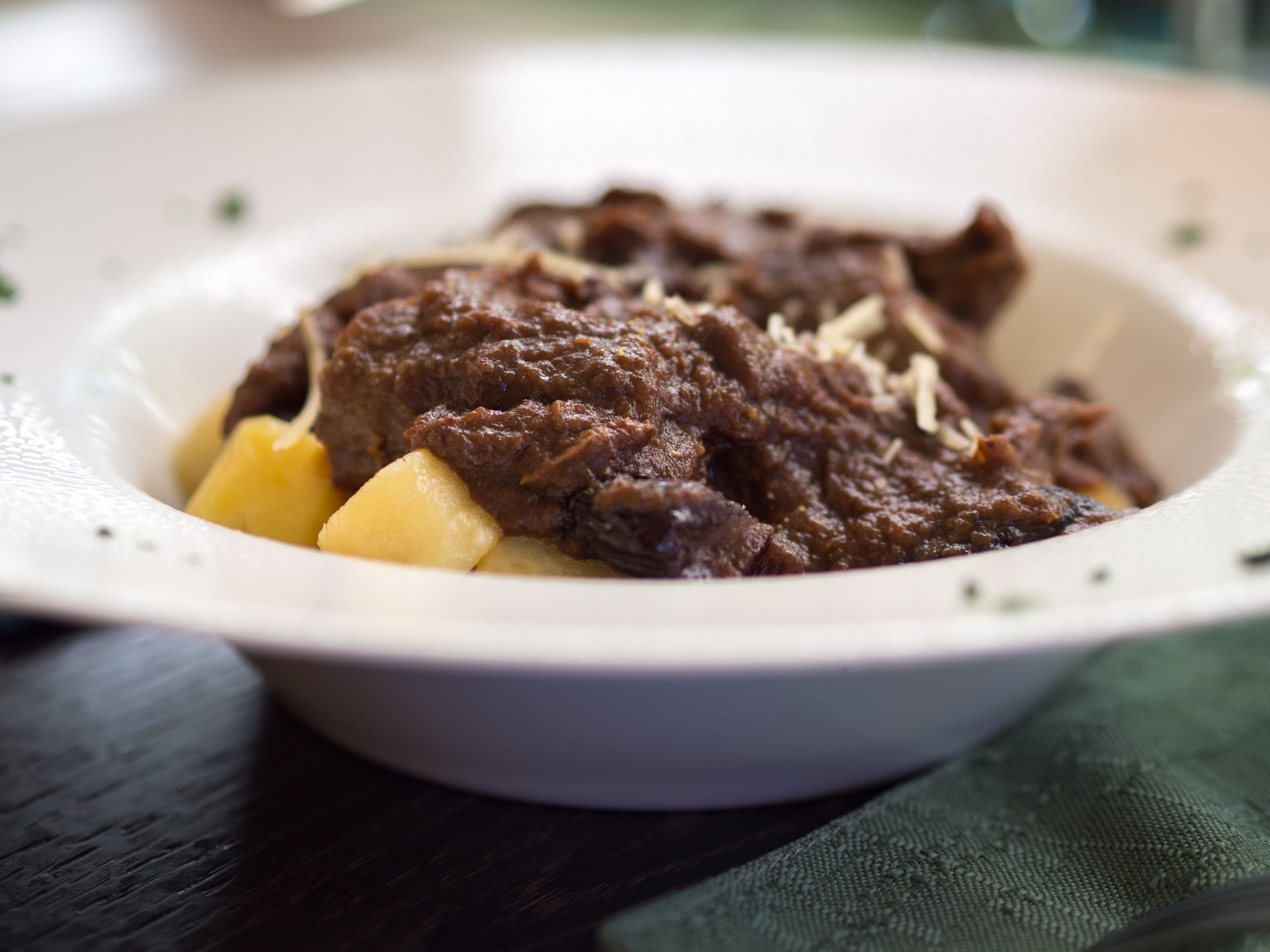
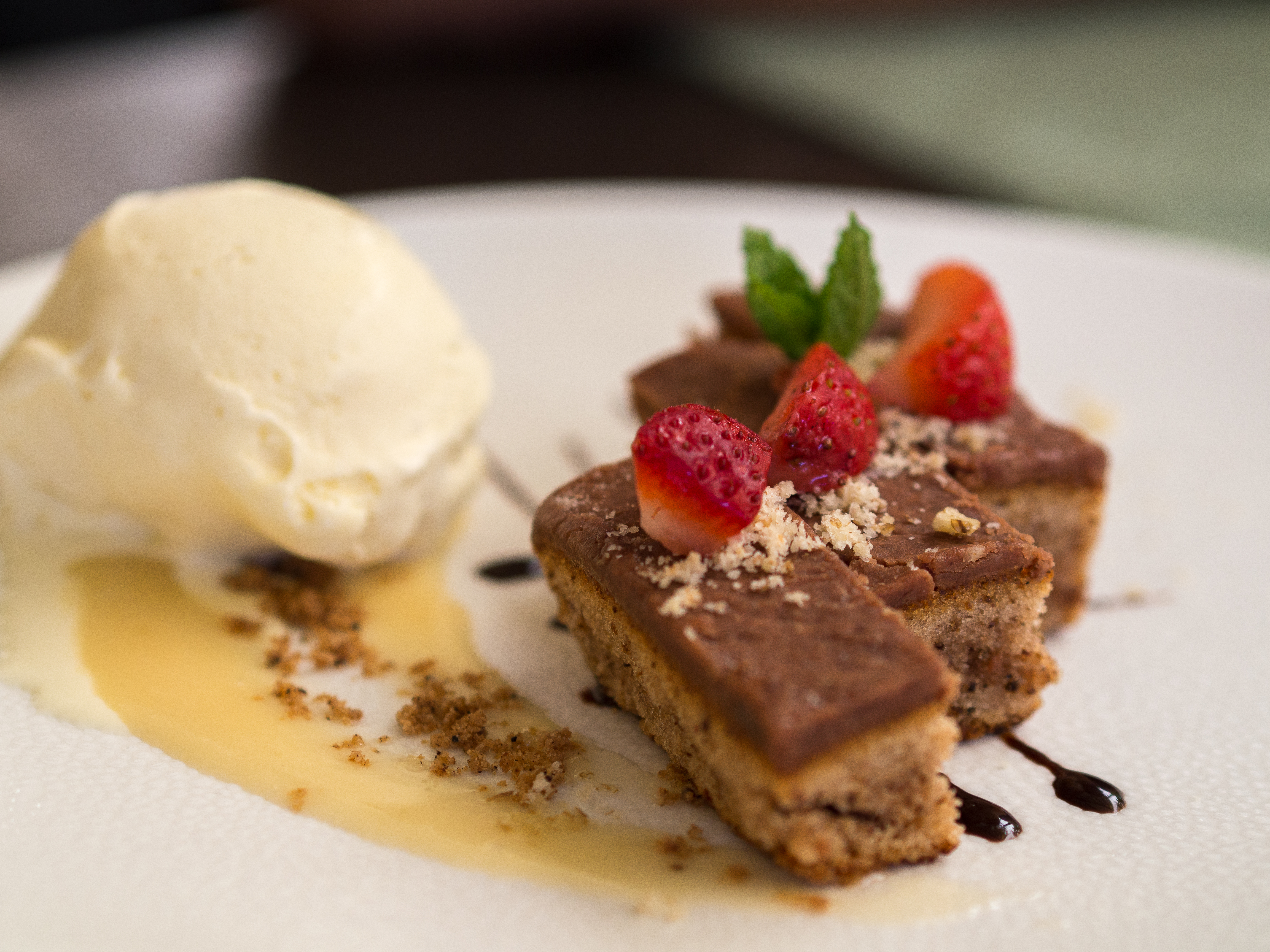
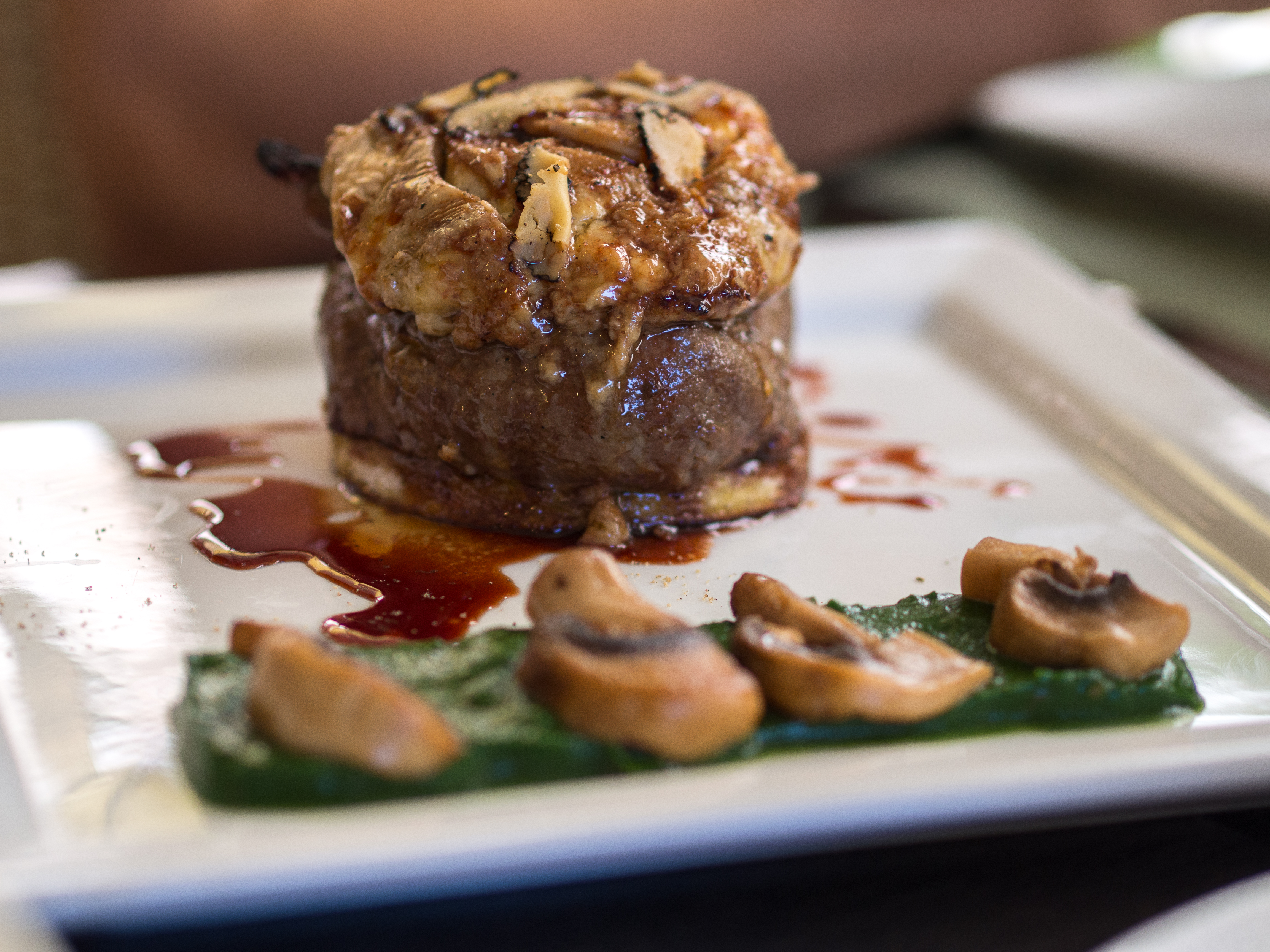
After lunch, we had 2-3 hours to kill; we could either while it away sipping on tea/coffee as we people-watch or do a quickie trip to Stari Grad. We decided we’d risk it on Stari Grad.
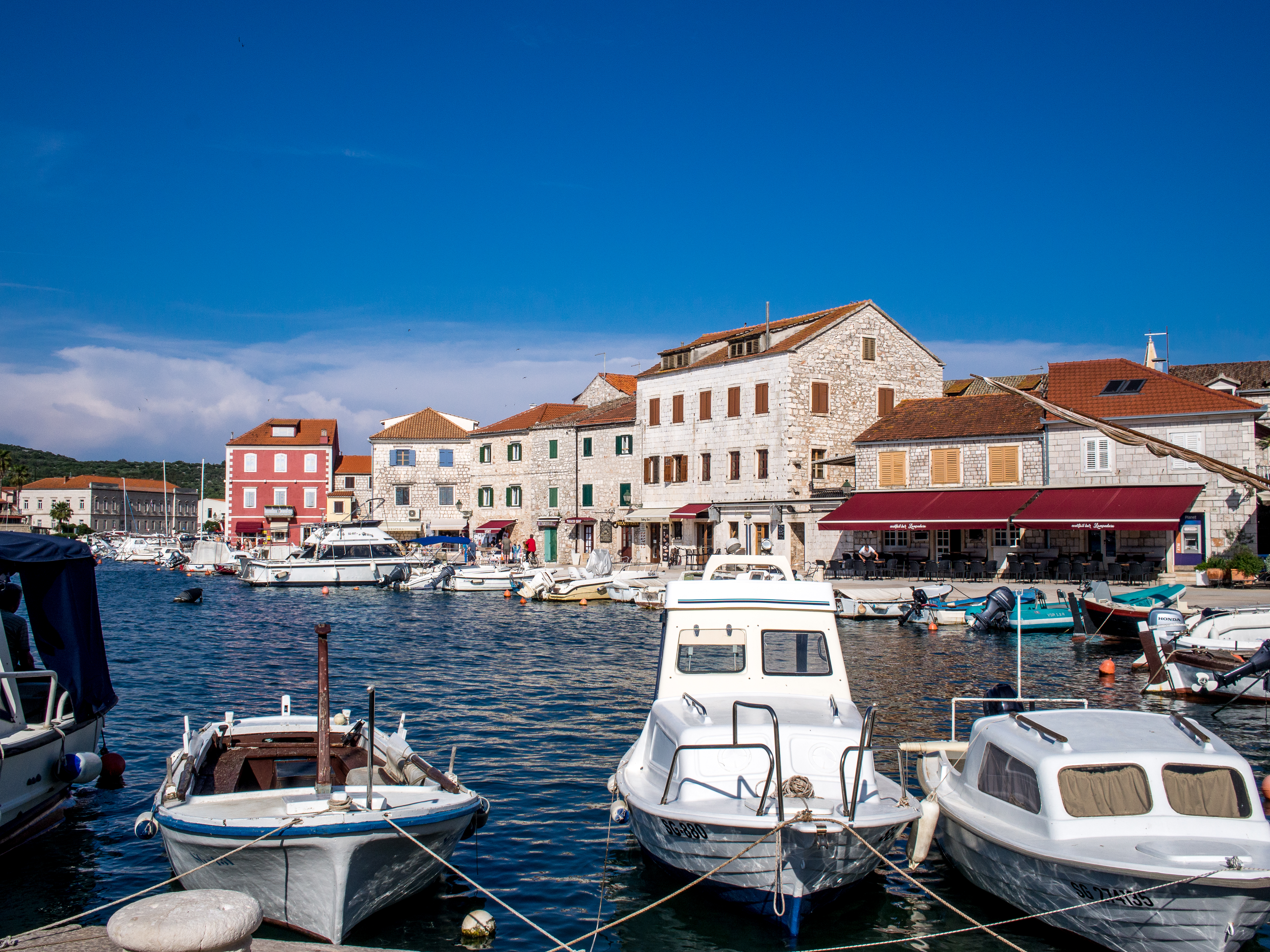
Stari Grad is the old ferry port of Hvar but it’s so well maintained you wouldn’t realise that it is one of the oldest town in Europe. It is a great place to chill if you want peace and quiet since footfall here is discernibly less than Hvar town.
Transportation options are limited though. There are buses that ply the Hvar-Stari Grad route but frequency is low. You can also drive (take the car ferry), cycle (rent) or take a taxi (limited, expensive).
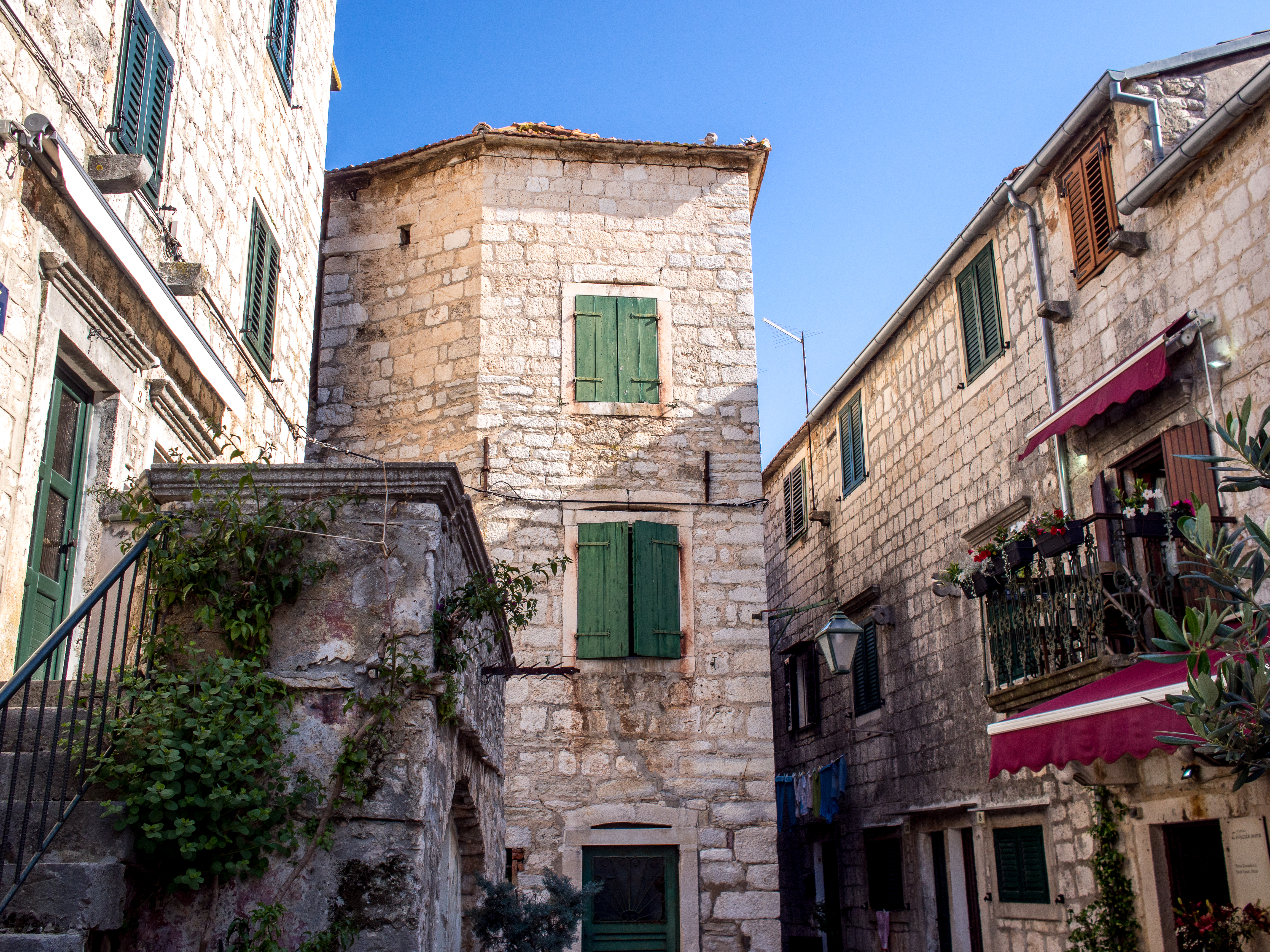
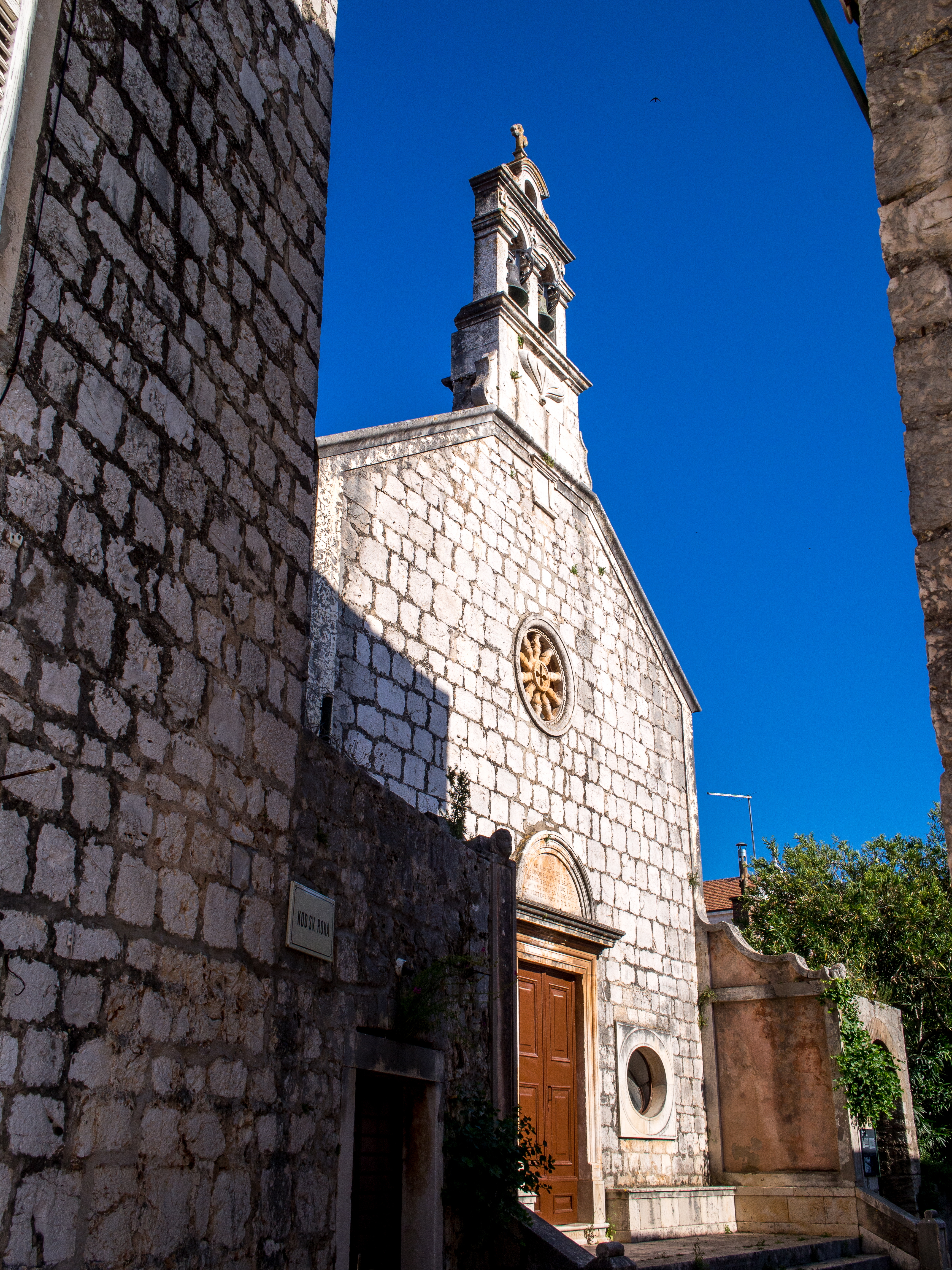
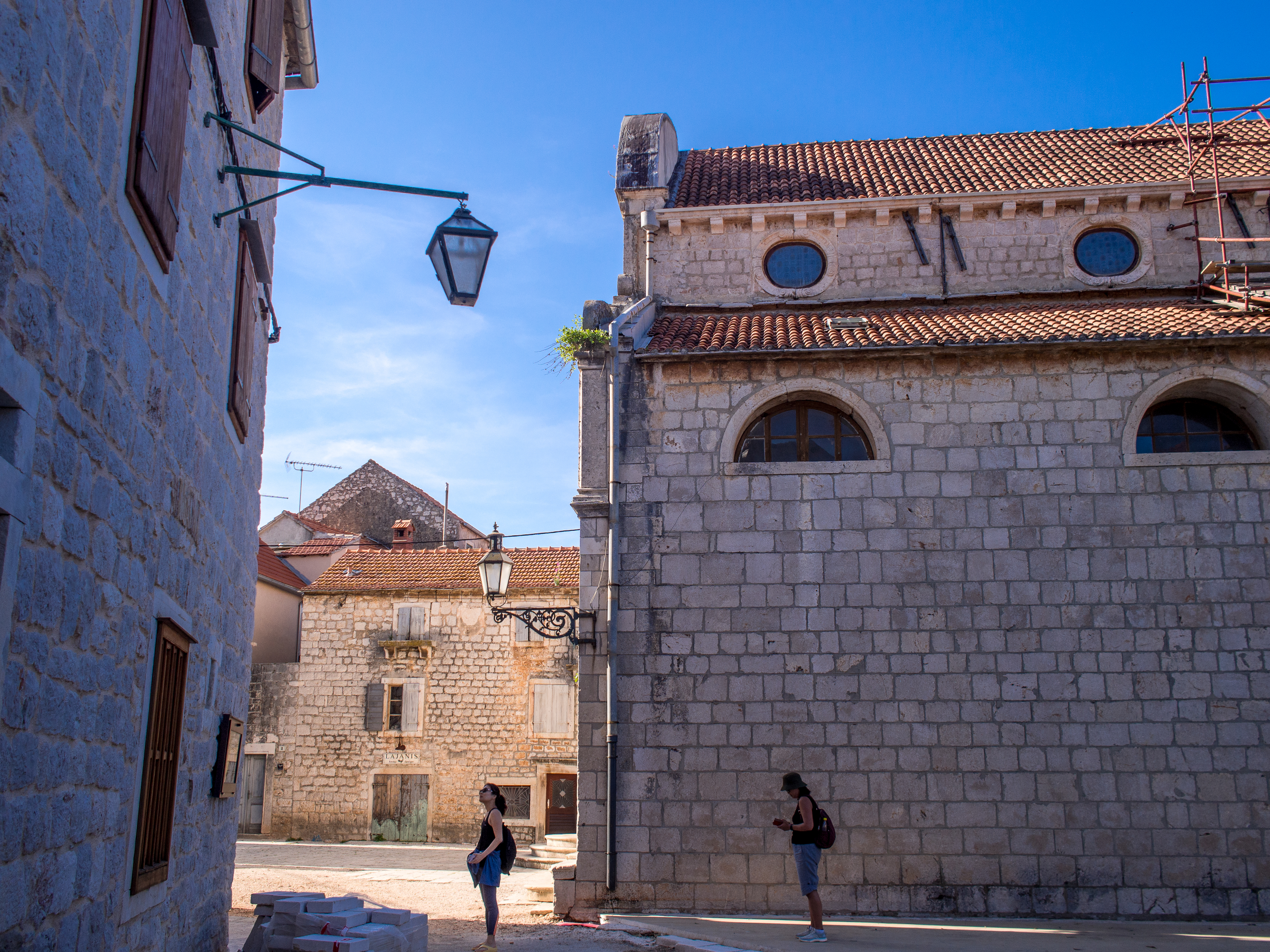
Our Stari Grad detour was a rush-job.
We took the last bus (430pm), arrived at 5pm, spent one hour exploring the old town, then negotiated for a taxi (€40) to bring us back to Hvar (630pm), just in time for us to board the 7pm ferry back to Split.
Verdict: good side trip, not a must-go, skip if time is limited.
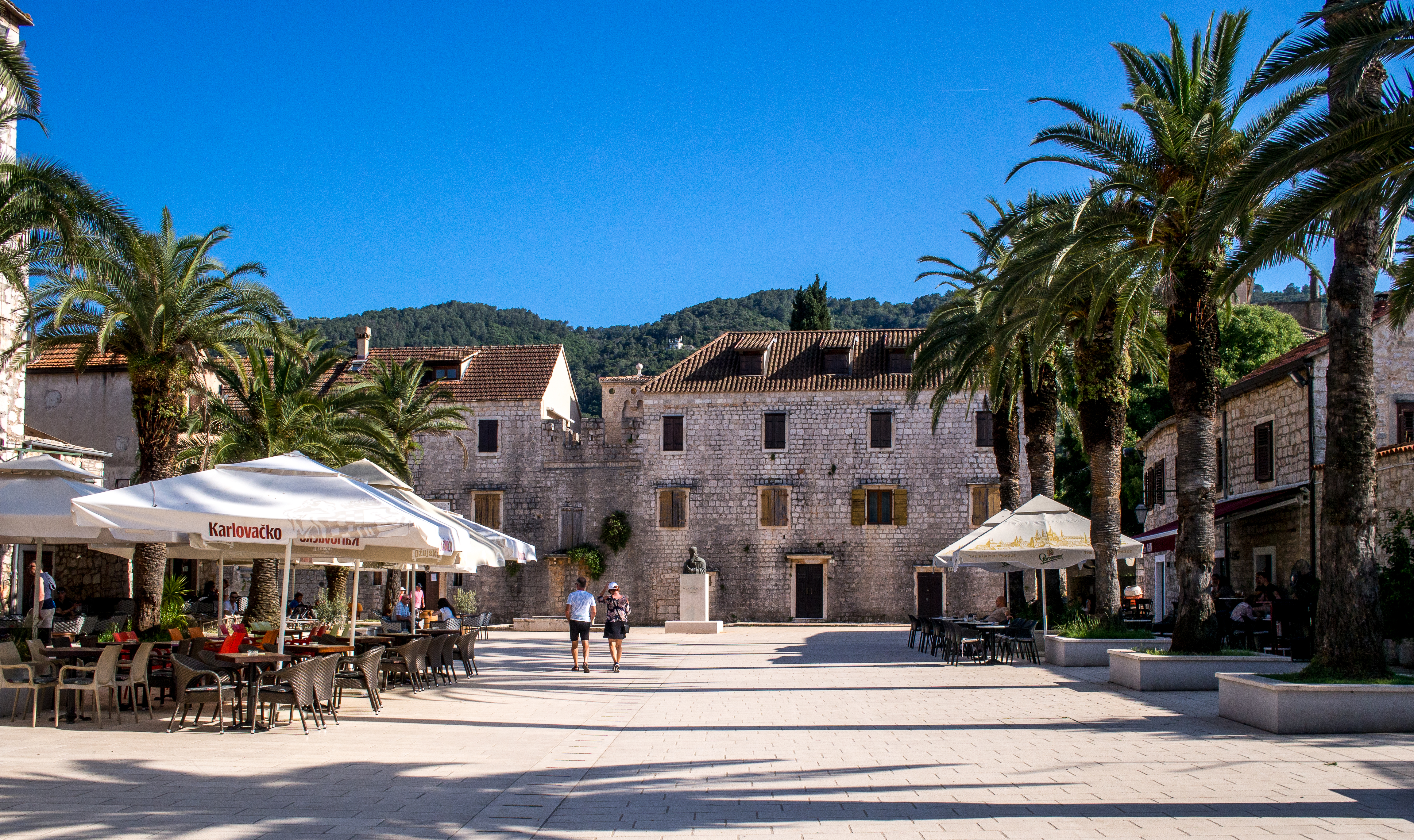
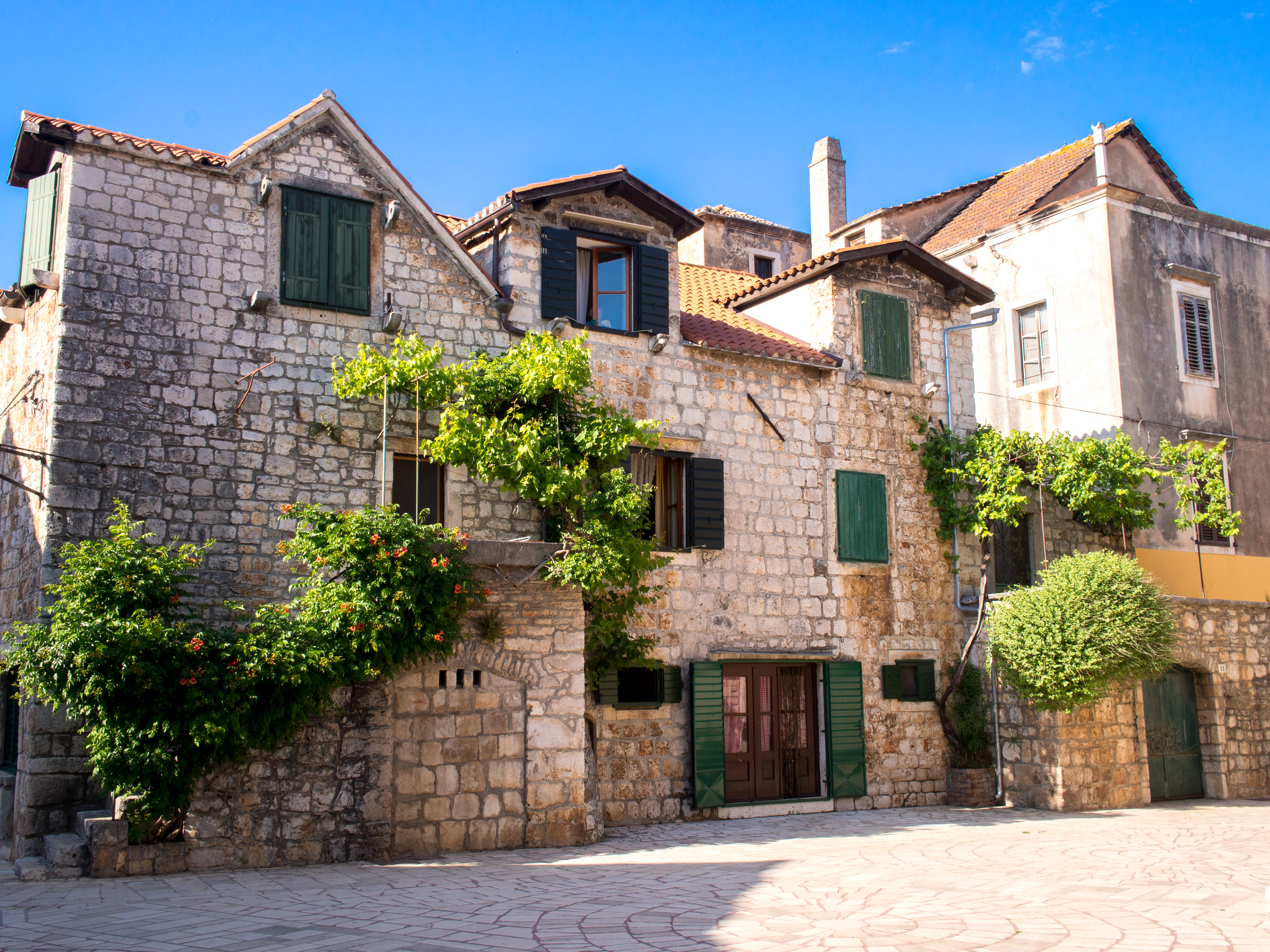
Although touristy, there’s no denying Hvar is charming. We liked that there’s a myraid of activities to satisfy any type of traveller.
For us, the climb up Napoleon Fortress and our meal at Dalmatino were especially memorable. There’s nothing like exerting our bodies on a nature trail, digging into a piece of history (the beautiful scenery was a bonus) and then tucking into an excellent meal afterwards.
Website: Split-Hvar Catamaran, How to get from Split to Hvar Island
Steps walked: 23,968
Food: Dalmatino
Visited 31 May 23
 the last word
1 reply »